

You put your seed out. You watered them in. You waited. Where are they? If you live in Texas, or the south in general, I’ll give you some ideas about what could have gone wrong.

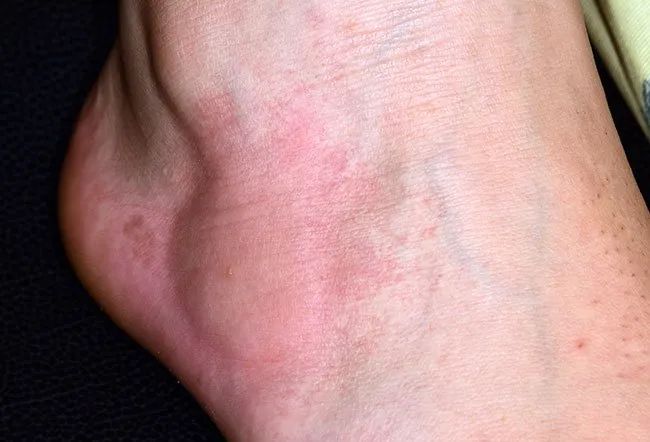
First off: fire ants. Ants are everywhere in the spring but fire ants in particular are canvassing my yard constantly bringing things into their mounds. If I do not treat my yard for fireants, they frequently grab any and every surface sown seed.
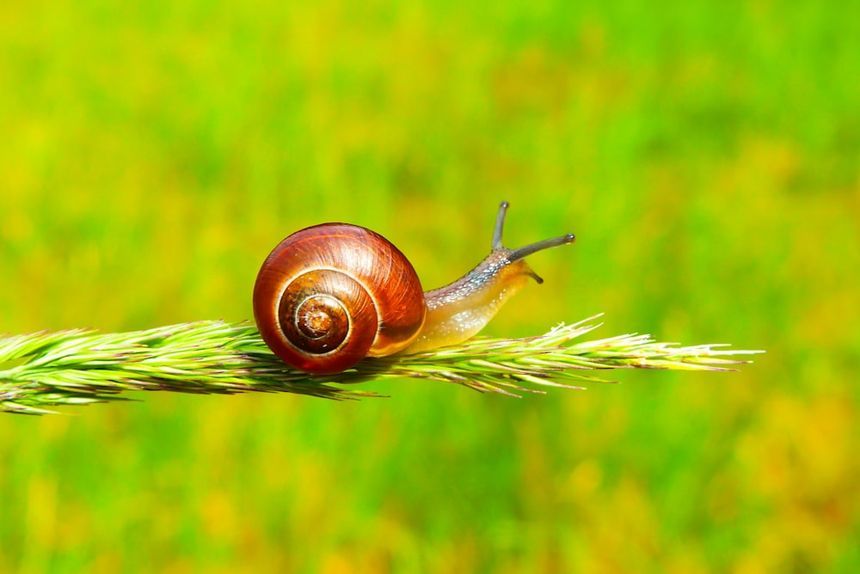
Second the dirty three: pill bugs (sow bugs, or roly polys), slugs and snails. I lost a ton of specialty iris to roly polys. They were looking for moisture and attacked the rhizomes. It was so dry last year they came into the house looking for water. In the heat of the day I didn’t see them, but if I went out after dark with a flashlight I would see thousands happily munching on the exposed areas of the plants. They do this with seedlings, too. I know people will argue with me about what sow bugs eat. I’m not talking about them eating the plants for food, they eat them for water. They are terrestrial crustaceans and can’t dry out. Here’s the link for whoever doesn’t believe me, because I know there will be someone. Link. Second on this list are: snails or slugs. They can mow down your garden, and especially young seedlings, overnight. In the spring, I will go outside in the morning and the grass will look like there’s dew across it. However, if you get down and look, there are baby snails on each tip of grass…By the hundreds of thousands. They are in competition with each other and will eat anything. I haven’t noticed this every year, but it’s happened enough that when I do notice them: I expect the newly hatched snails to be a problem for my garden. Pillbugs, snails and slugs: you can kill them all with iron based slug bait. Keep it away from pets, but definitely give it to pests. I sprinkle some when these pests are getting out of control. Iron pellets are safe for my fruits and veggie garden.

Third. Birds, rats, mice and squirrels. I have birds and rodents that think I created a smorgasbord for them with my sprouted seedlings. Birds require netting or row cover to keep them out. Although, I don’t usually use row cover because I’ve found it makes it hard to water. If you have soaker hoses, in the beginning you still have to water with a sprinkler or by hand to keep everything wet. Soaker hoses are better once the root systems get going. For mice and rats, try this: tulle fabric. I heard about this a few years ago. I read that rodents won’t walk across tulle. It really is true. I’ve tried it around my fruit trees and I don’t get rats and mice up inside those trees. So much easier than traps and poison, but it will rot and eventually need to be replaced. I drag some around to the trees that are currently in fruit. I’m guessing it’s a texture thing? I don’t know, but it’s worked for me, and my mom.
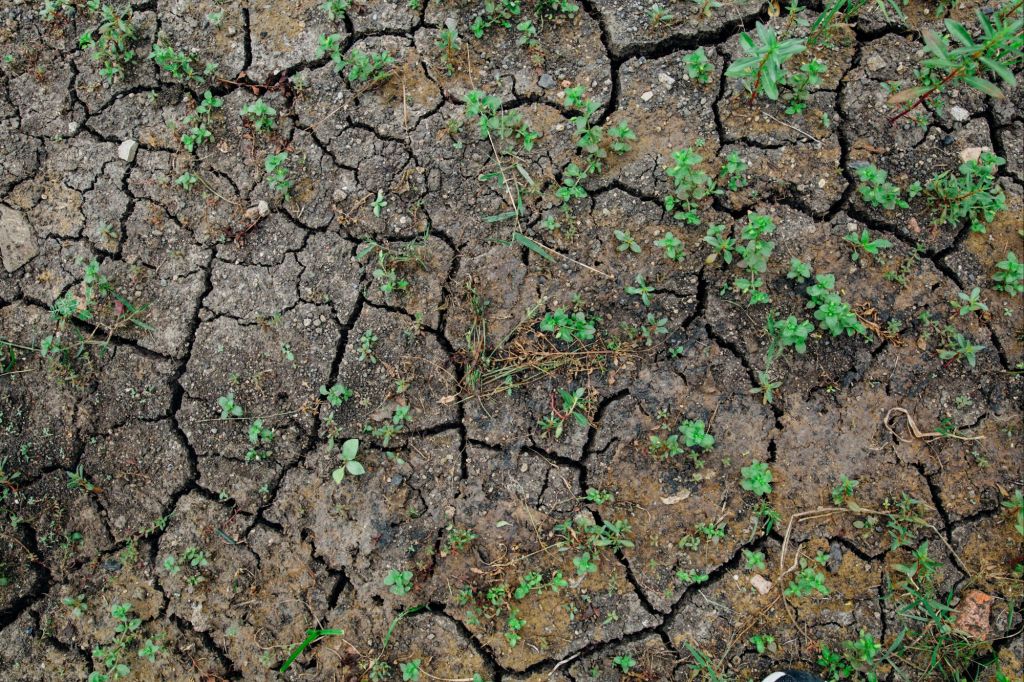
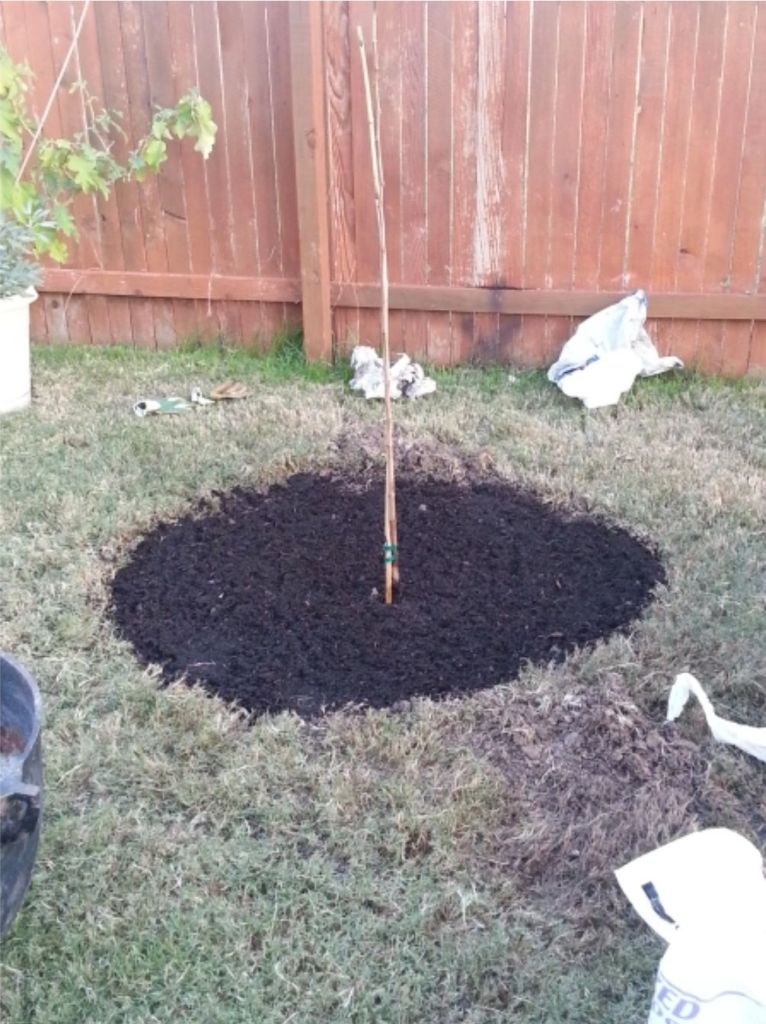
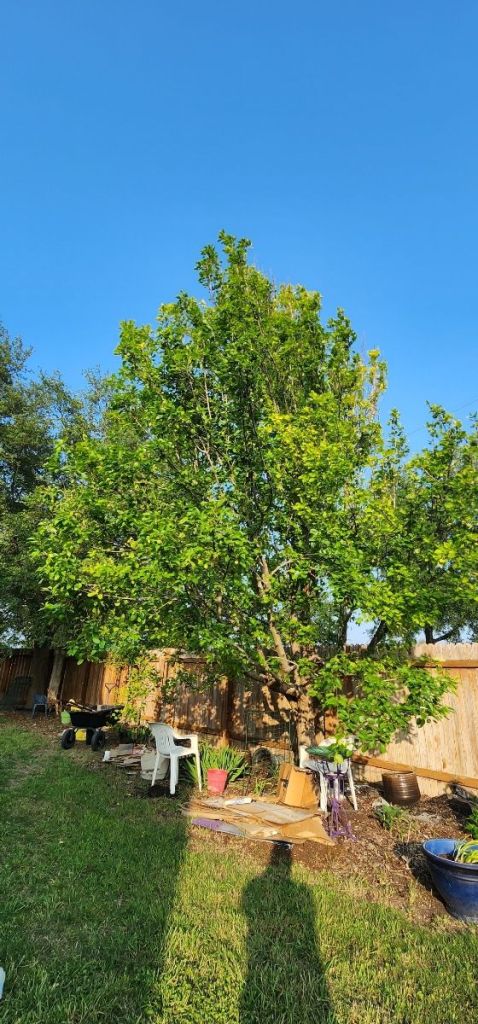
Fourth, planting conditions. Soil: whether it’s too rich or if it’s nutrient poor, soil is where everything starts. You can do an at home soil test. Kits will be at garden centers. Or you can send your soil to a lab and have a much more detailed review. Ph is very important to find out about, too. My soil is so basic that most people down here grow in pots because everything they plant in our soil dies. That’s why I amend soil and have raised beds. I have tried the (at minimum) half original soil and half amended, (which is the current recommended way of planting trees) and stopped my original practice of replacing pretty much everything when I planted. Down here, in my soil: I recommend replacing most of the soil, and building each hole up as a small raised bed. Everything in holes that I completely replaced, twelve years later: is flourishing. Stuff I planted later (following recommendations), with most of the soil remaining as native soil: is struggling. I also really recommend my version of hugelkulter. I do not do “real” hugelkulter because I get a mouse/vole highway underground eating the roots. Try this instead: hugelkulter See how I plant trees and make water retaining, inexpensive raised vegetable beds here: beds
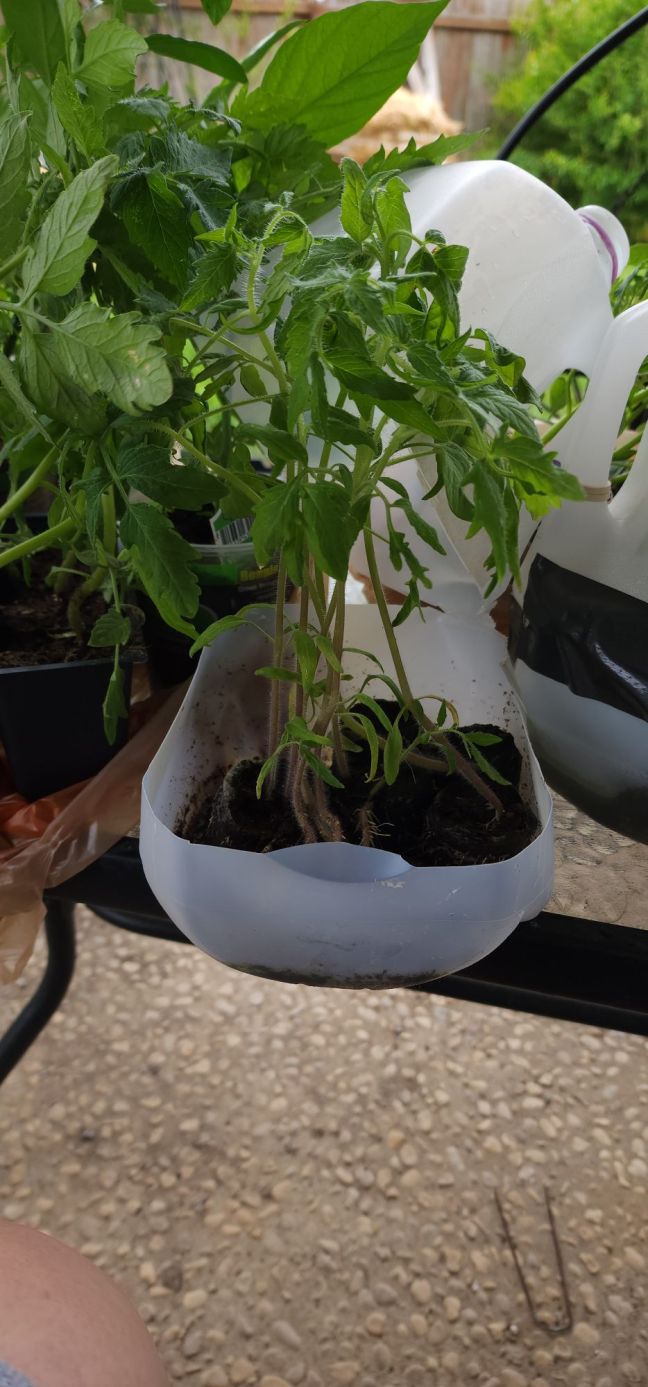
Water: whether you have standing water or your seedlings dry out from the wind. Watering is tricky for a large bed of transplants or seeds. My transplants sit outside on my covered porch for days. Getting used to the light, the wind and the cycle of watering. If you didn’t harden off transplants (like what I just described) your seedlings will burn up in the outdoor conditions. Cover with row cover or use milk jugs, with the bottom cut off, as cloches. With row cover or cloches they need to come off to water. Don’t try and water through row cover. If it’s up on supports, make sure you are watering inside it so that your sprinkler hits every part of the bed. Another issue is not watering frequently enough with new plants. They’re babies. They don’t have much stored water or nutrients to rely on. I’ve lost entire beds of new seedlings because I forgot to water one day, in the beginning of their lives.
Five: Heat/cold/sun/shade. Did you plant summer vegetables in spring weather? Did you try and start cool season seeds in the summer? Are you growing a shade loving plant in full sun? Did you miscalculate how much sun, full sun vegetables, were getting? Did you just plant something from the nursery in 100° weather, in full sun? Read the packet. Read the sow by date and the conditions that need to be met and follow them.
Last, sometimes, no matter what you do the seeds fail. It could be disease pressure being different that year. Weather being wonky. Old seeds or unreliable places you bought seed from. If at first you don’t succeed, try, try again. That’s the mantra most experienced gardeners chant throughout the growing season. It’s the chant I sing for my experimental fruit trees, and the same chant I do when I sow my veggies. Don’t use your whole seed supply in one go. If you have a failure, you’ll need to resow. Remember that in the wild: single plants drop thousands of seeds to reproduce. You just have a handful, for whatever you are planting the seeds in. It’s definitely okay to fail, that’s part of gardening. But: don’t give up. Try again, until you find what grows well for you.
If you are having any issues with your sweet potatoes the link above will identity and help you control the issue.
I only grow things that: 1.) my family will eat (and that means I probably will not grow huge areas of experimental vegetables.) and 2.) I focus on what does really well for me. This way, I supplement the grocery store purchases with vast amounts of things that are easy to keep/can and easy to prepare. Corn, sweet potatoes, Irish potatoes, sunflowers and squash are always on my grow list and frequently they are all I grow. I try paste tomatoes for canning and then other things: like beets and other cool weather vegetables, that I really don’t have much time to do right. We get hot, then hotter, then boiling here in south Texas. I work with mother nature because working against her is exhausting. I call those gardens “defiance gardens” and I try really hard not to make many things like that.
“Practice makes perfect” may be a stretch in the garden, but it’s a nice goal to have in mind.
Meet you out in the garden, to see our seeds thrive and produce.
Crazy Green Thumbs
Discover more from Crazy Green Thumbs
Subscribe to get the latest posts sent to your email.
 Crazy Green Thumbs
I got severely attacked by fire ants when I was a toddler, so I understand their pain. We don’t have any slugs here in central Florida. It be cool to see them slugging around, yet the damage they deal to plants wouldn’t be ideal. Thanks for sharing, CGT.
Thanks for sharing!
I learn so much here… thank you for that
You are very welcome. Thank you for keeping up, I really appreciate it!
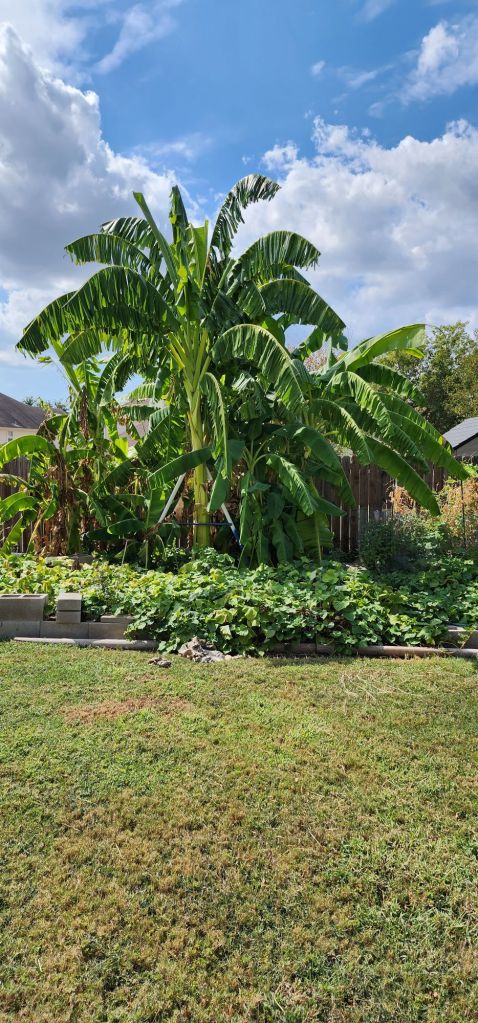
The banana colony is impressive. When was that picture taken?
That was last year. Near the end of our summer/fall heat. That big one in front is a viente cohol. I’m hoping the rootball was big enough last year to push fruit out this year. If not I have a Kokopo I put in last year that should get to be a good size this year. I need to remove a bunch of Gros Michel, and whatever pups are coming up, to focus on the two main plants.
Okay, I can ‘sort of’ see three distinct personalities in there, or at least two. We got nine here, and one is Musa ingens, which is the biggest banana in the World. Another is ‘Mekong Giant’. The two largest will get their own space, although I do not know where yet. They do not stay contained for long.
Let me know when you get your seed I sent. I thought about how I packaged it. Im wondering now if the post office will think it’s drugs. It was kind of a weird way to send them. I wrapped little baggies in paper towels so the Mexican Bird of Paradise’s hard seeds didn’t poke through the envelope.
Oh my! I am presently on my way to Washington, and the Post Office will not be open when I go by. I will be back in less than two weeks. I am sorry that I did not get them first. Thank you for sending them.