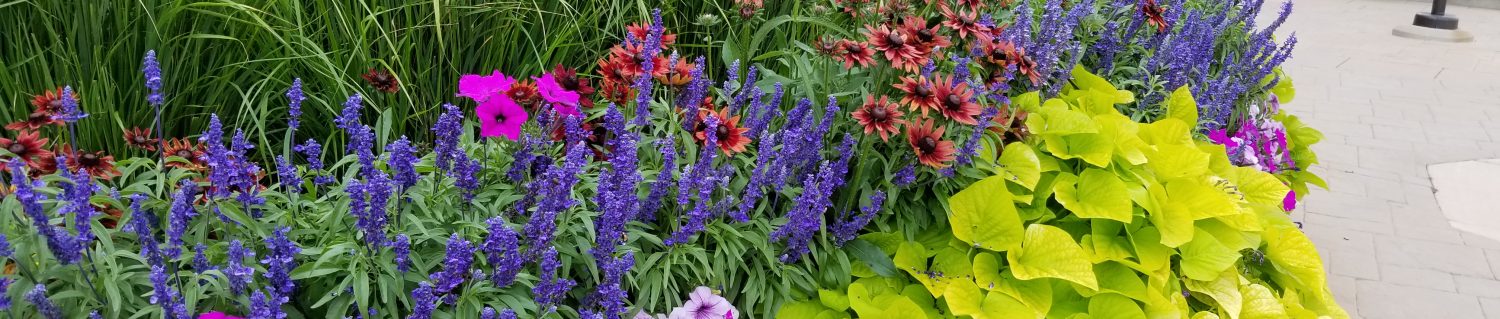


I live in the South. Where I am: summer ends up getting really hot (above 100° Fahrenheit) with little to no rain for months at a time. In summer we get moisture that blows in from the Gulf of Mexico and that humidity (without rain) is a real problem. There are weeks where we don’t drop below 100 degrees until well after midnight. The heat here is relentless. So, the plants I grow have to be super performers to make it through our summer weather. I live in zone 8b, so I can grow a lot of tropical and semi-tropical plants as perennials. I have zone 10 plants, that grow back from the roots every spring, and by summer they are pumping out beautiful flowers. It’s taken a lot of trial and error to figure out what will work for me. I live on a quarter acre lot and I don’t want to have to buy new plants for that much space every year. So, I have compiled a list of flowering shrubs that do particularly well in our conditions: triple digit heat, high pH soil, plants that will come back (at the least) from the roots in zone 8, drought tolerant and with showy flowers.
I do take some precautions over our winters. I know that the above ground parts of these plants will freeze back so I make sure to cut them down and tip an upside down pot over the root ball for some extra protection. For super tender plants like bananas I chop the roots off of about 2/3 of the plant so that I can lay it down and cover it with a bale of loose straw and a tarp. I was surprised that any part of the banana survived our -16 degree fahrenheit weather last winter, and although the stem failed, the root ball came back with gusto. I am hoping this winter we will be back to normal and the stem will survive (you need two years of growth with most bananas to get fruit.)
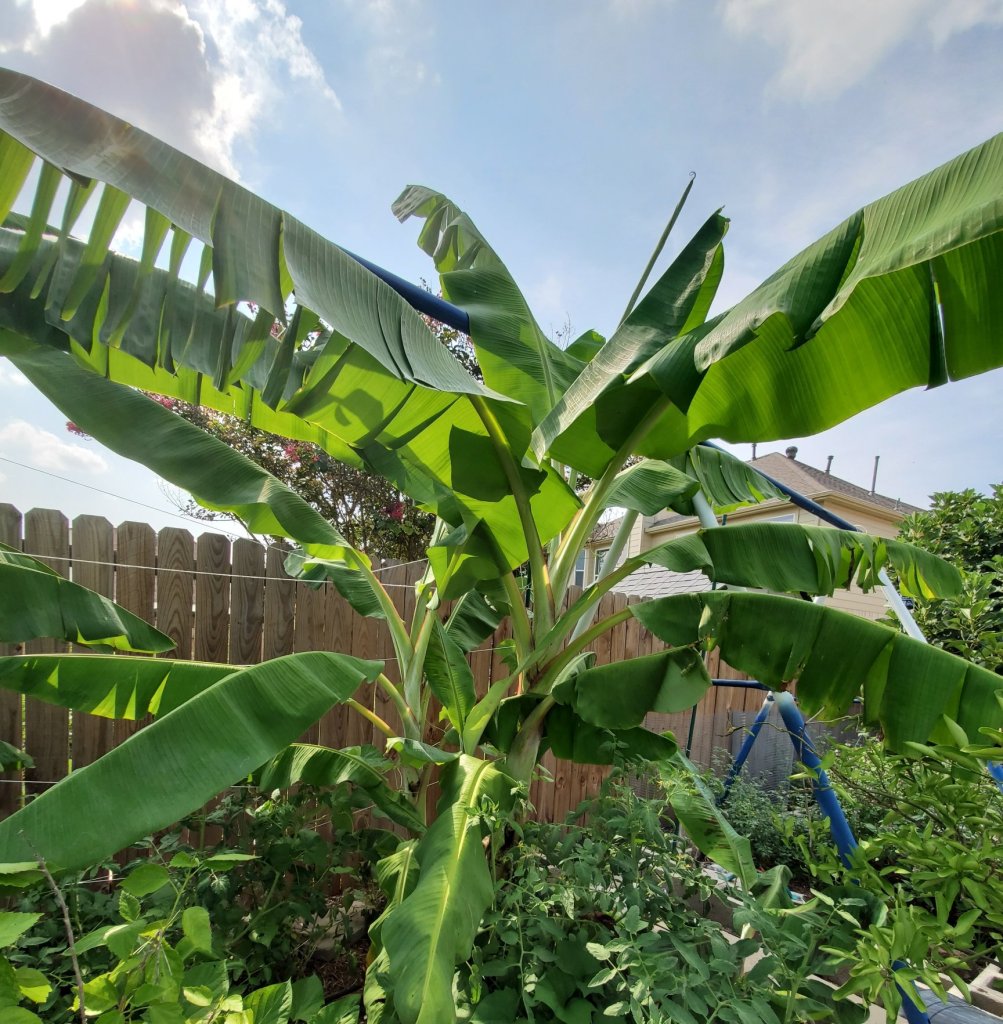
Even with last year’s crazy cold winter, most of my zone 10 plants came back, and even a very cold sensitive, antique banana variety: Gros Michel, made it through.
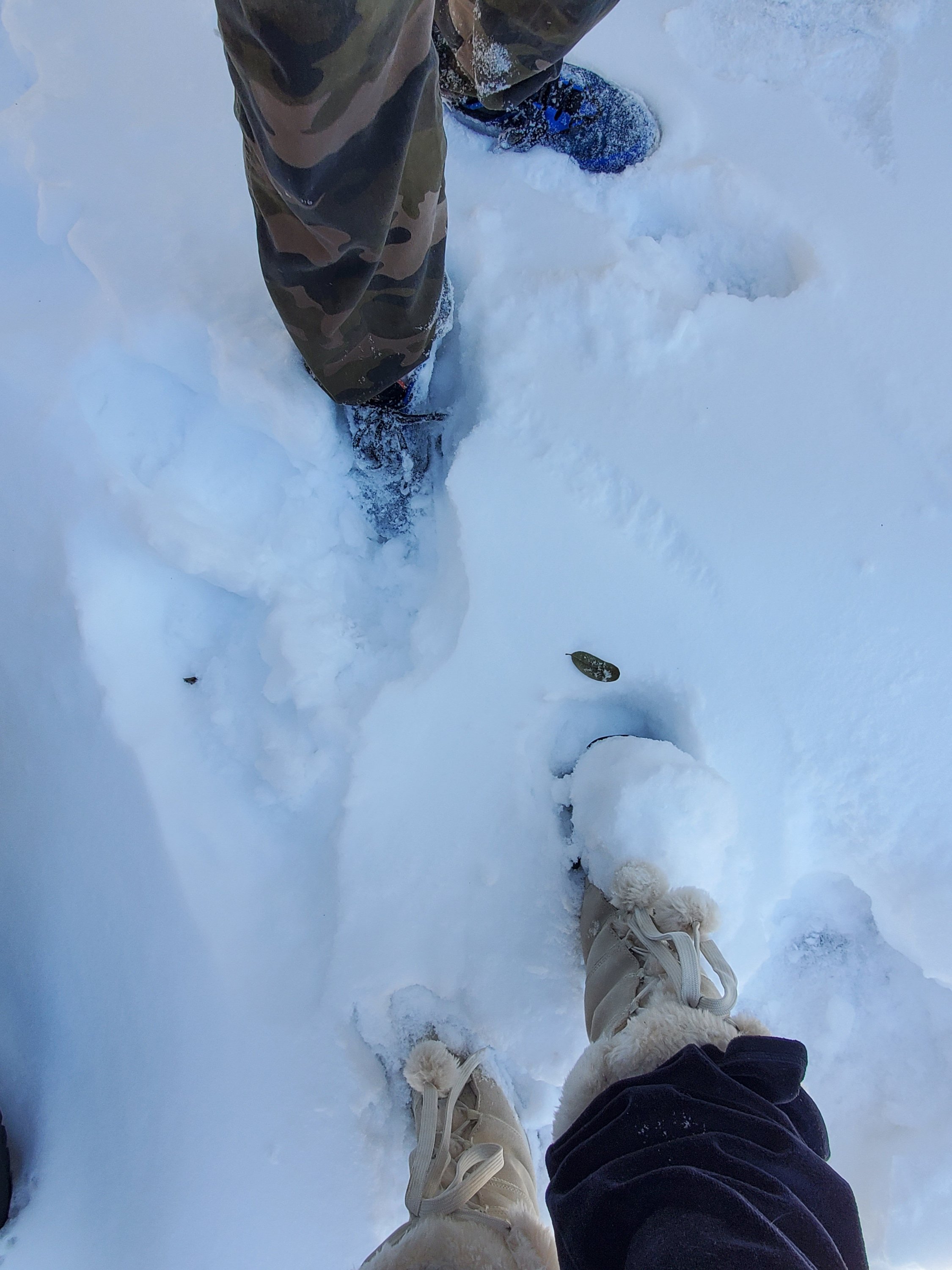
Our winter was crazy. This much snow is unheard of in my part of the world.
If you love loads of flowers in summer then there are some really beautiful plants that can be grown down here. The plants I will list below are floriferous, carefree growers that are well behaved and large enough to be considered shrubs or small trees. But, you can’t get picky with what is available, because even though these are super bloomers: there aren’t many other plants that really do this well in this heat and drought. If you notice: I took some of these photos in parking lots. If you can grow something in the middle of a hot as hell asphalt parking lot, in south Texas, in the middle of summer: you know these plants have to be indestructible!
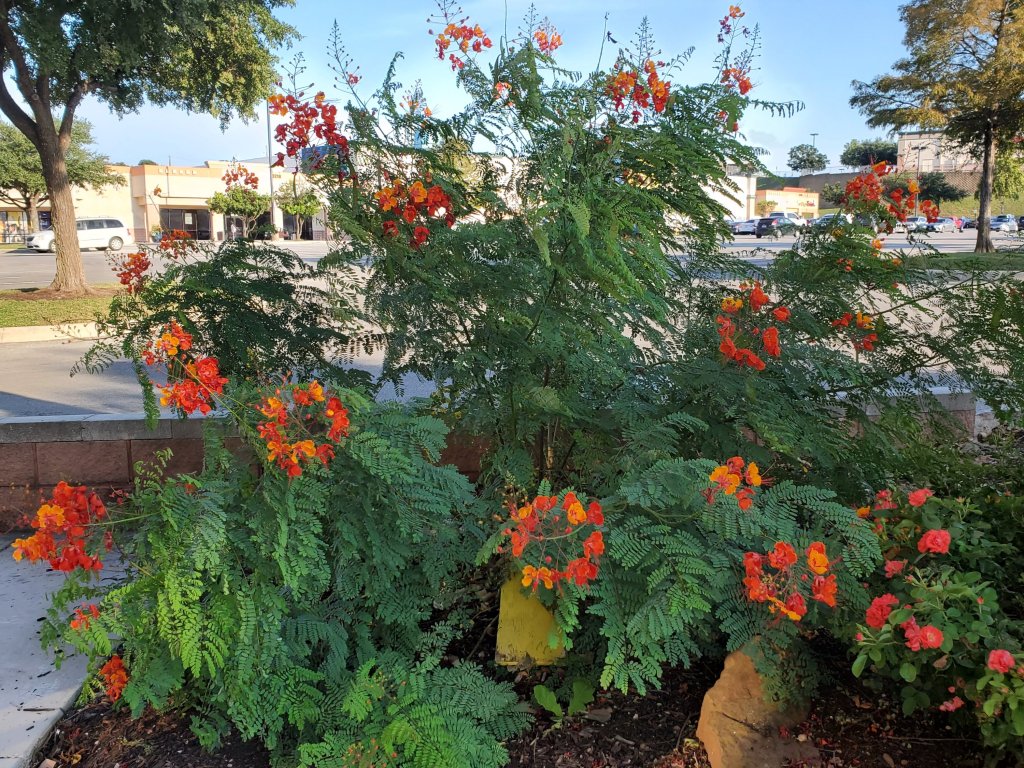
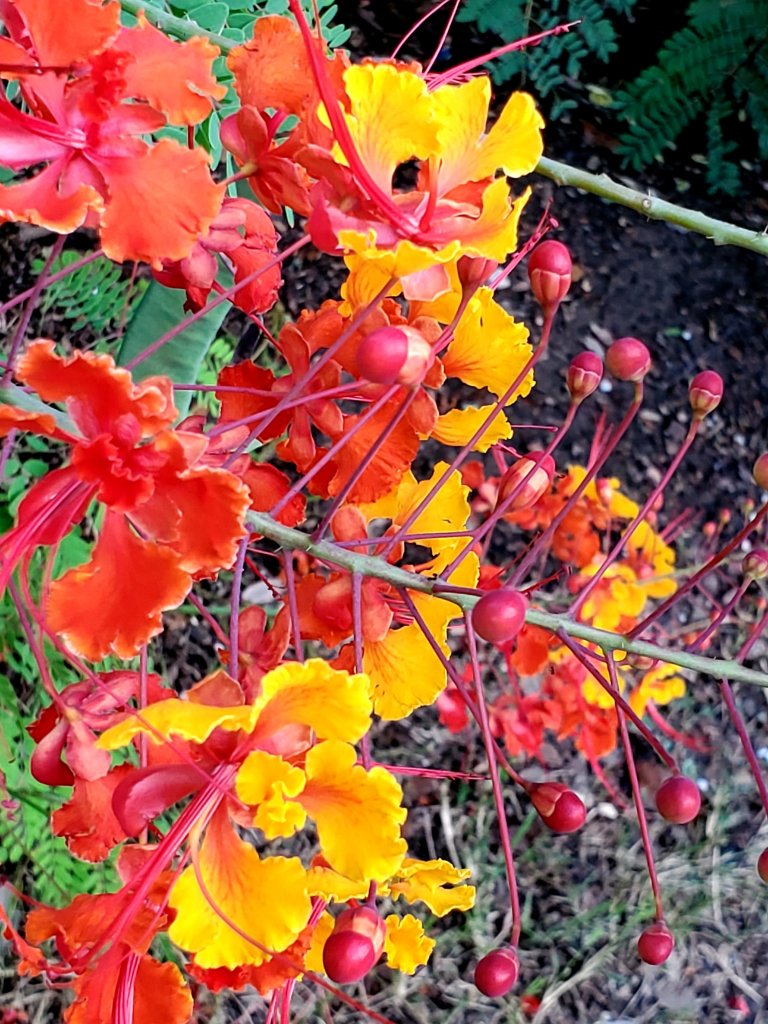
I think my very favorite shrub for zone 8b is the Mexican Bird of Paradise or Pride of Barbados (Caesalpinia Mexicana). These are not the fully tropical bird of paradise that you see all over Hawaii, they are reliable (to zone 8) plants that usually make it through the few freezes that we get. I planted one ten years ago and it’s still going strong.
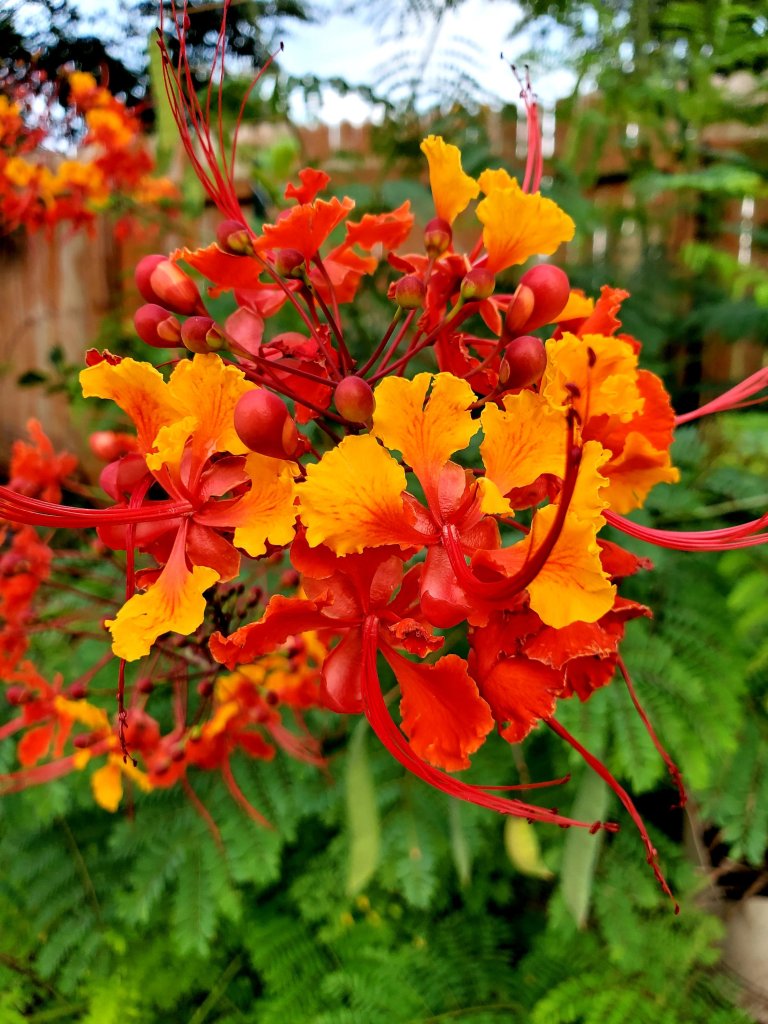
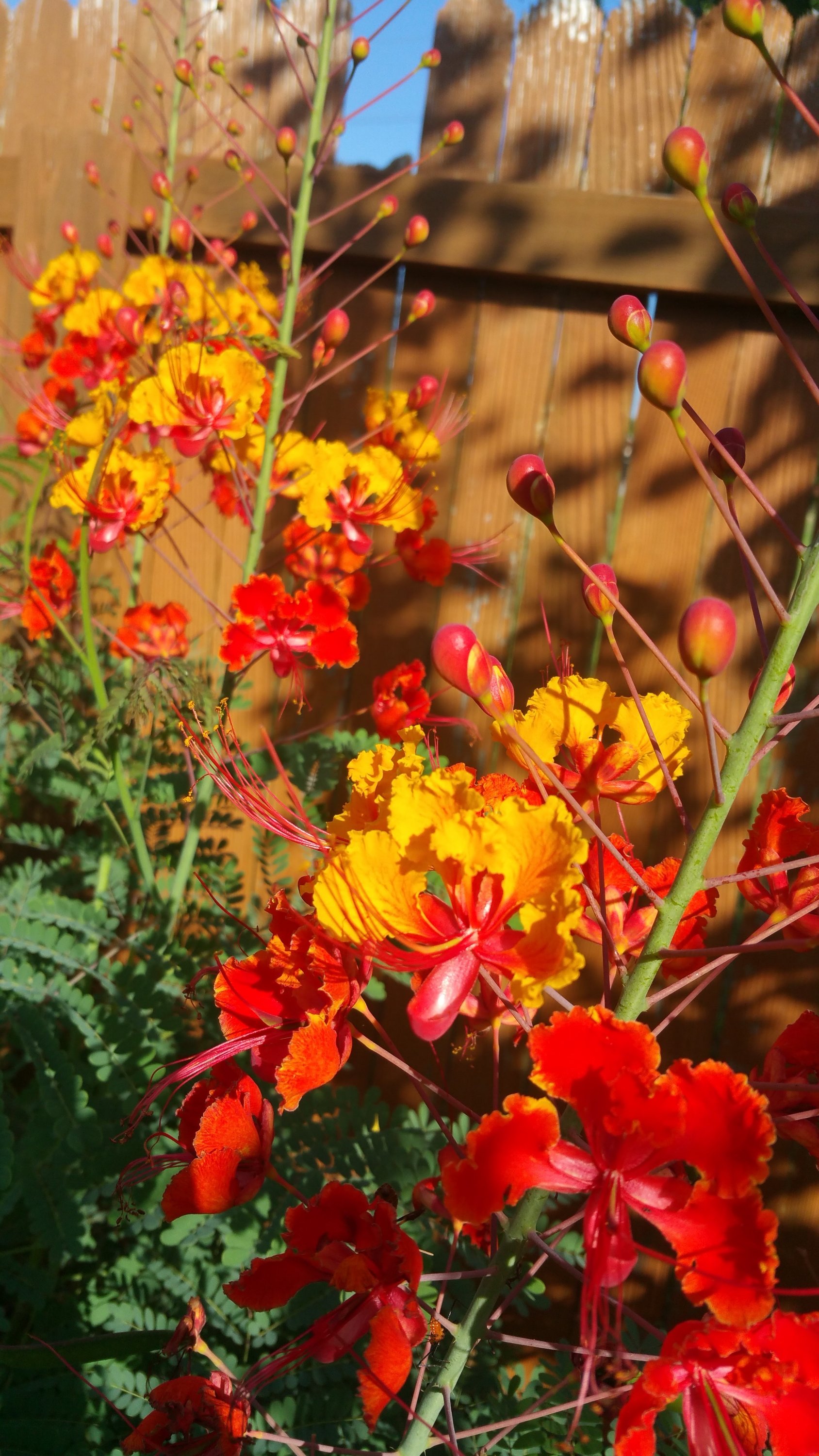
I love it so much I planted a bunch along the sunny south side of my house this year. I just can’t get enough of these flowers, and our local hummingbirds agree! These are easy to grow from seed. They produce bean pods (they are a legume and as such are nitrogen fixers, but the pods, seeds and leaves are poisonous) with super hard seeds that must be scarified in order to get them to sprout. I just rub one on a fingernail file until I see the white interior and drop them in a little bowl of water until they sprout. These plants are big and airy. With blooms on the tips of new growth, you will want to avoid pruning it. Full sun will get you extraordinary blooms. This really is a beautiful and impressive plant!
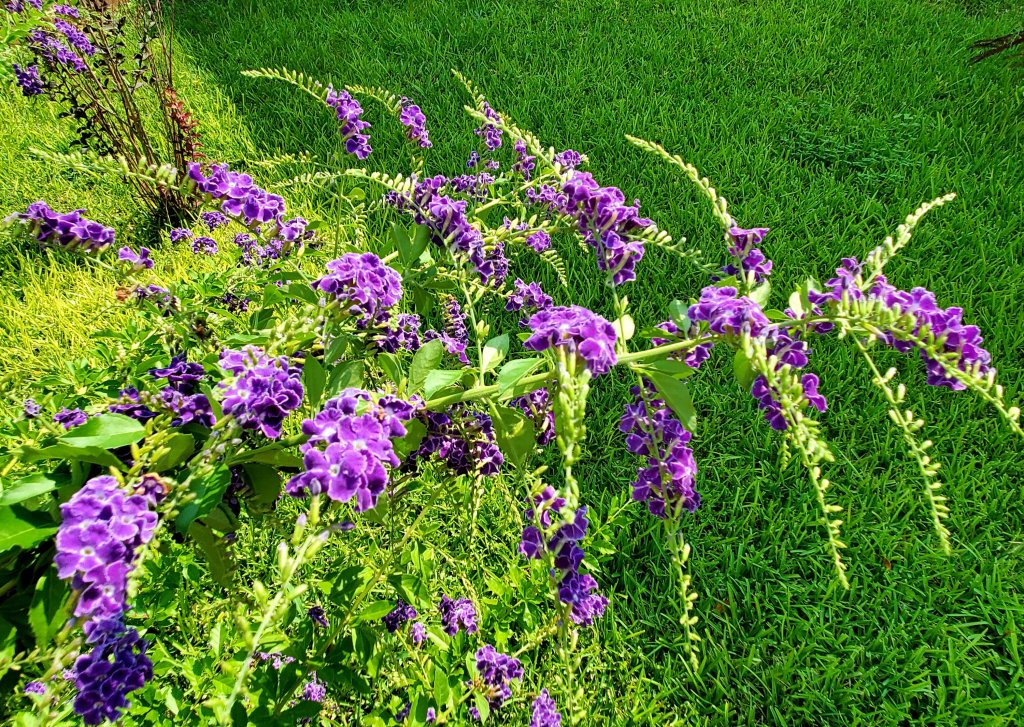
My second favorite looks like fireworks. Duranta Erecta looks like miniature orchid blossoms blooming up to the very tips of its branches. It is a fascinating flowering shrub and I always take some time when I’m near it to examine and appreciate its beautiful little flower sprays.
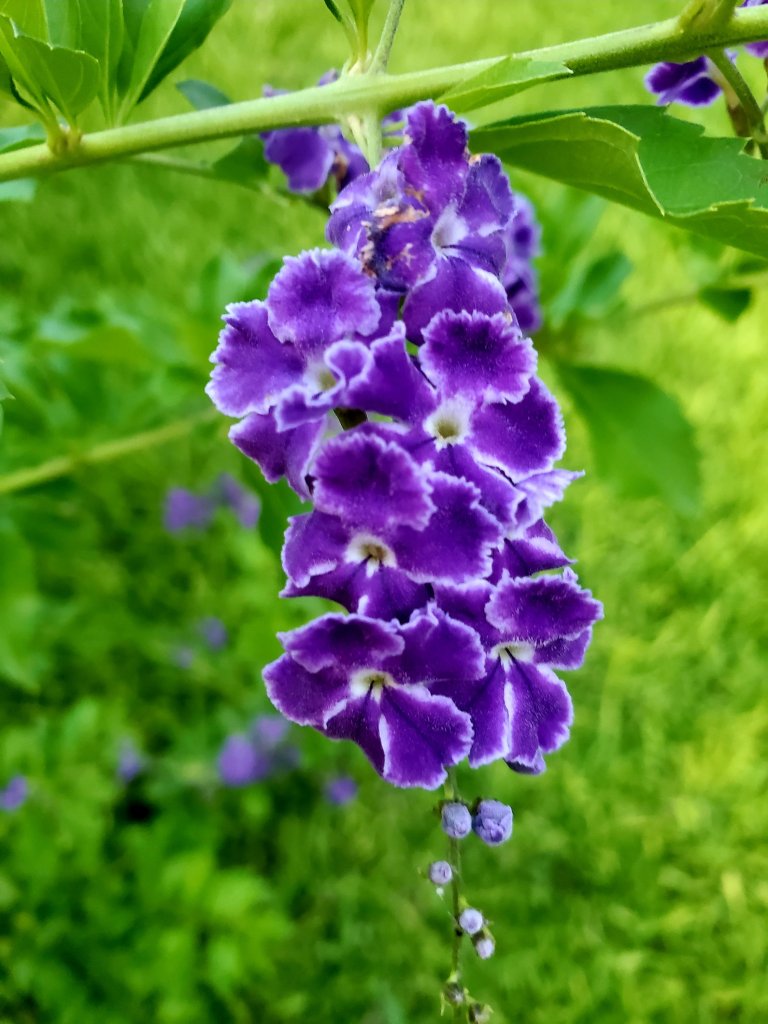
These blooms aren’t big but they make up for it with intricacy of the petals and the amount of flowers blooming at once. It reminds me of fireworks. I will always grow this plant, because it has secured a special place in my heart. It produces little yellow berries in winter that the birds love. I do not have problems with any of these plants as far as spreading or reseeding. These varieties are polite growers.
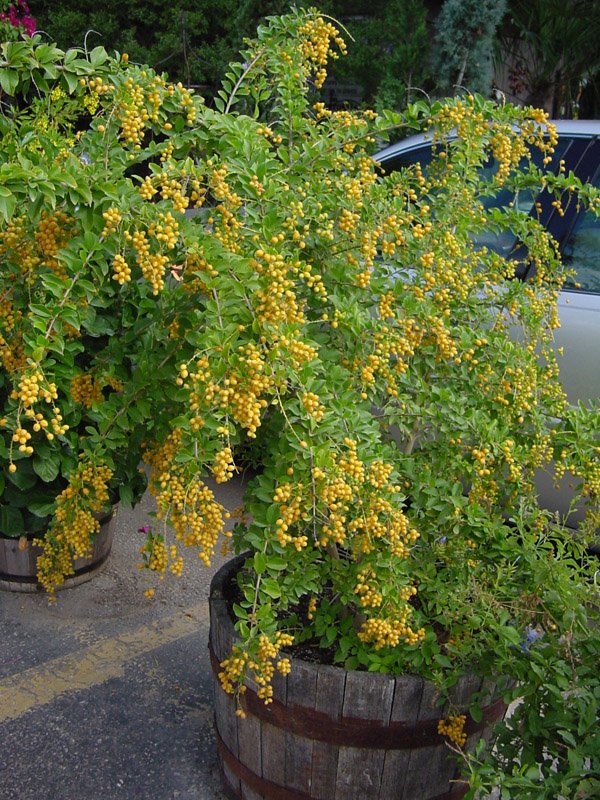
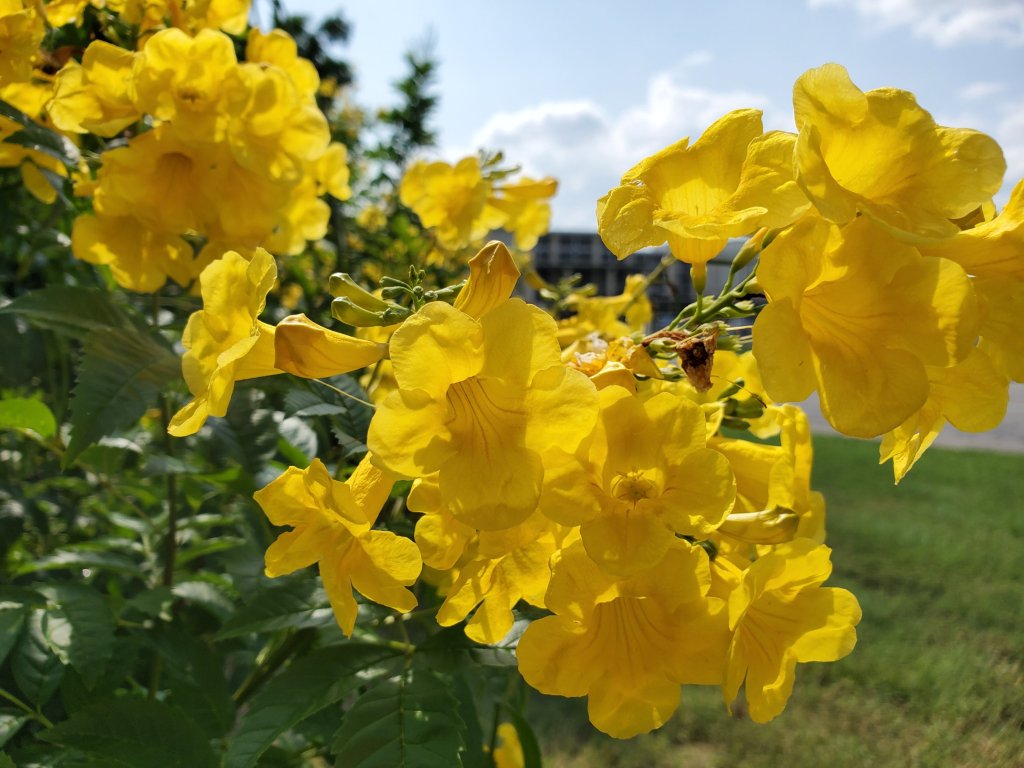
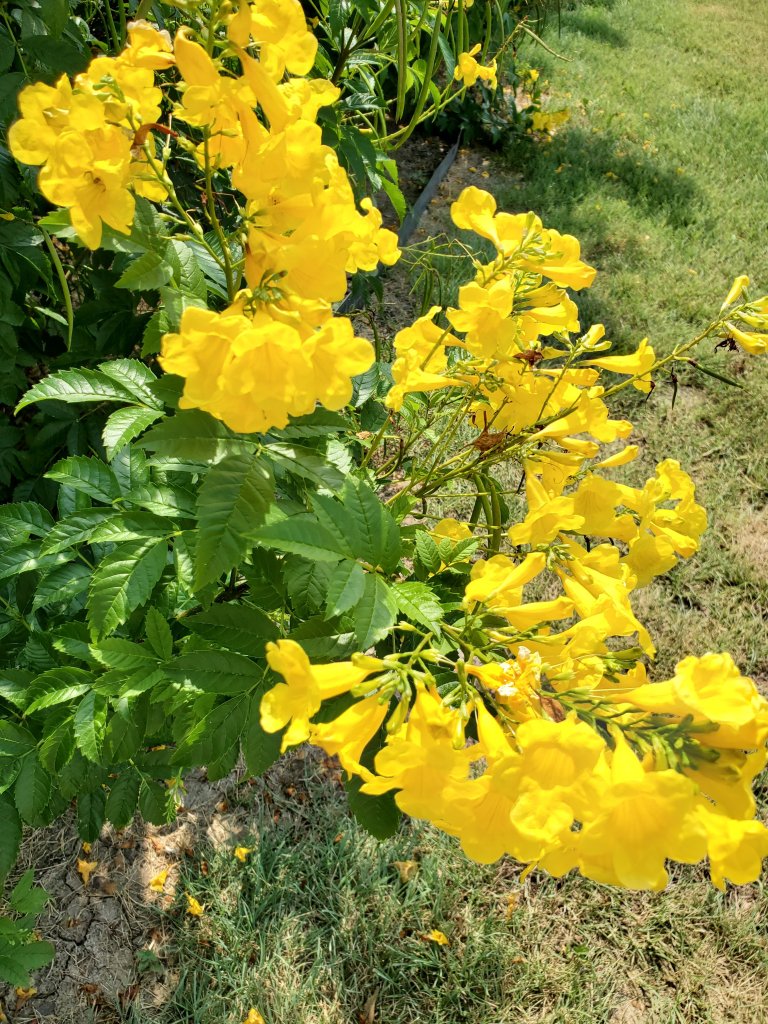
Another favorite is commonly known as yellow bells. I tried to help a lady who was wandering through a nursery that was trying to find esperanza. She didn’t believe me that yellow bells were esperanza. When people don’t understand that many plants have more than a few common names, it can be frustrating. So I will give you it’s scientific name (in case she ends up reading this)😊: Tecoma Stans. This beautiful glossy leafed bush produces fountains of yellow bell shaped blooms in full sun. Mixing these with the Mexican bird of paradise will give you a beautiful effect. Yellow bells is tall and narrow, until it blooms and the flower clusters weigh down the tips of its branches. The Mexican bird of paradise is rounded and airy. They look nice together.
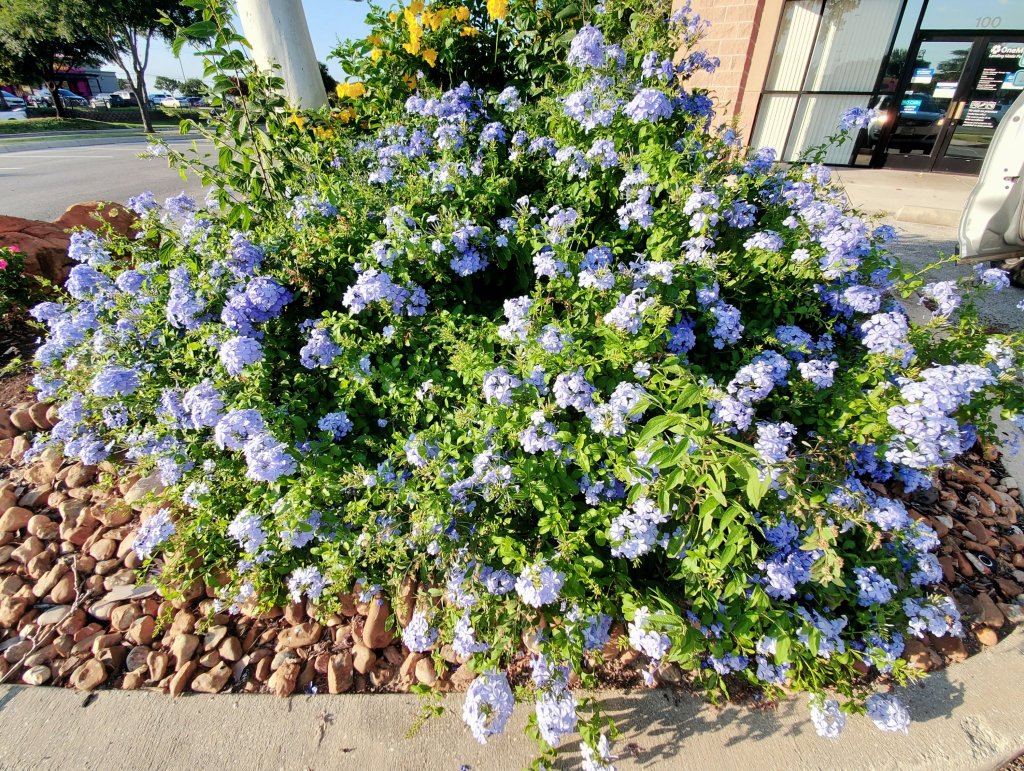
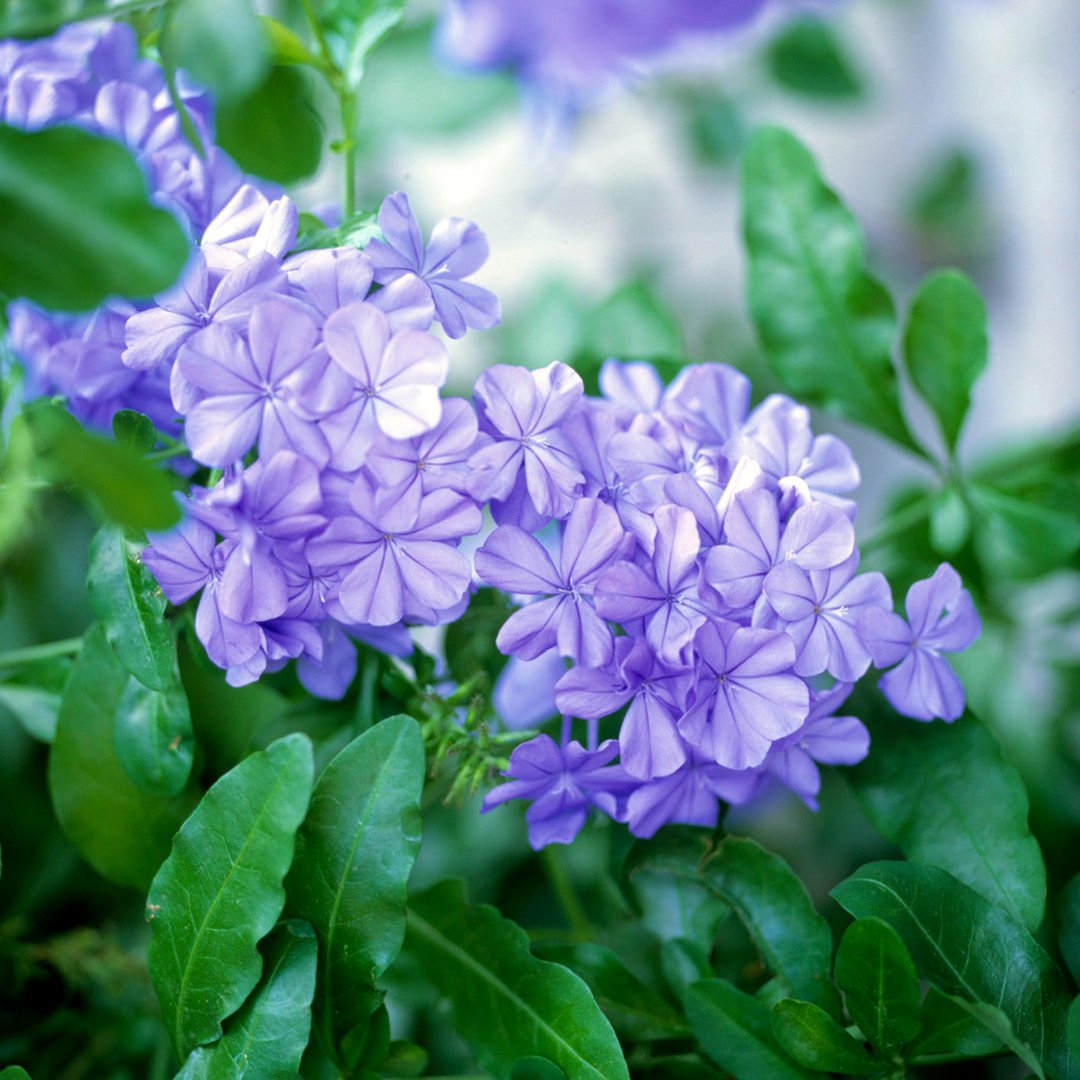
Another beautiful bloomer is Plumbago auriculata. This is a blue flowering shrub from South Africa. People around here often call it Sky Flower or Cape Plumbago. It looks a lot like phlox flowers. Down here it will grow and bloom in both sun and shade, although full sun will give you many more flowers. This produces a mounding mass of flowers and the shrub is trailing and vine like, giving you a fountain of flowing flowers.
If you are at a garden center and you are unsure if what you’ve picked up is the correct plant: Hardy Plumbago (Ceratostigma) is a ground cover with dark blue flowers. While it has its own reasons for growing it, it isn’t the shrub above.
Another winner is Texas sage (or: Leucophyllum Frutescens) this native shrub loves to put on a show after a rain, blooming in response to humidity and rain storms. It has a pretty, upright and spreading habit but a lot of people shear them back into a more formal hedge. I prefer their natural shape. They require pruning when branches die back or get leggy, or when they need to be adjusted for size. These practices will help them look their best.
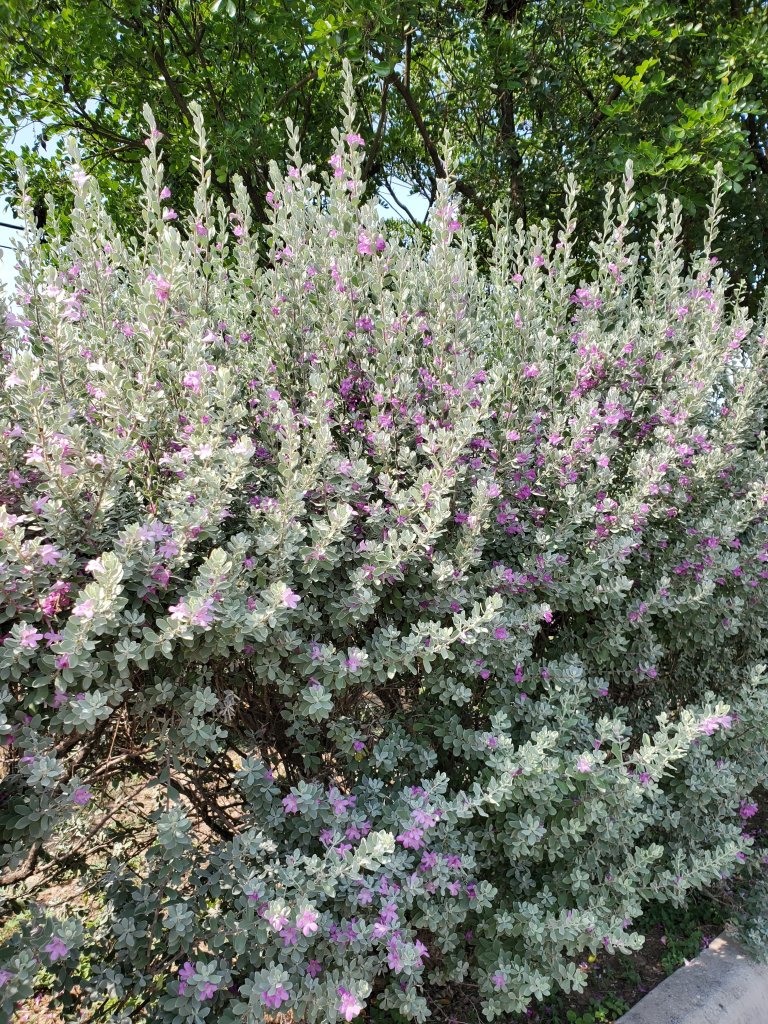
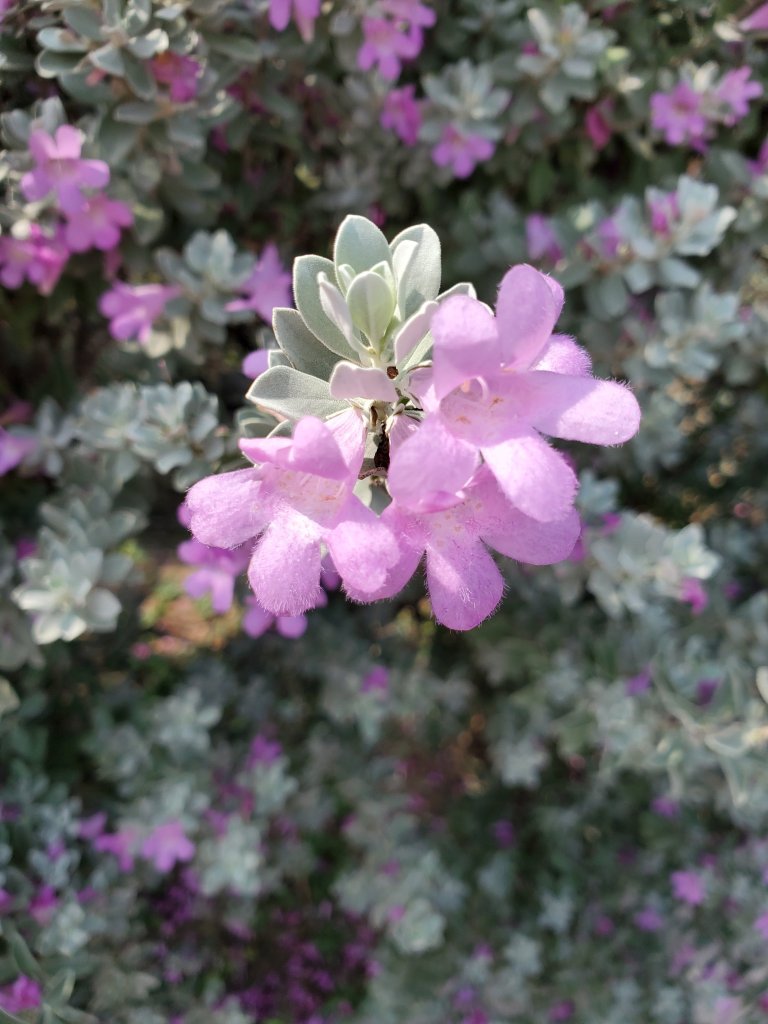
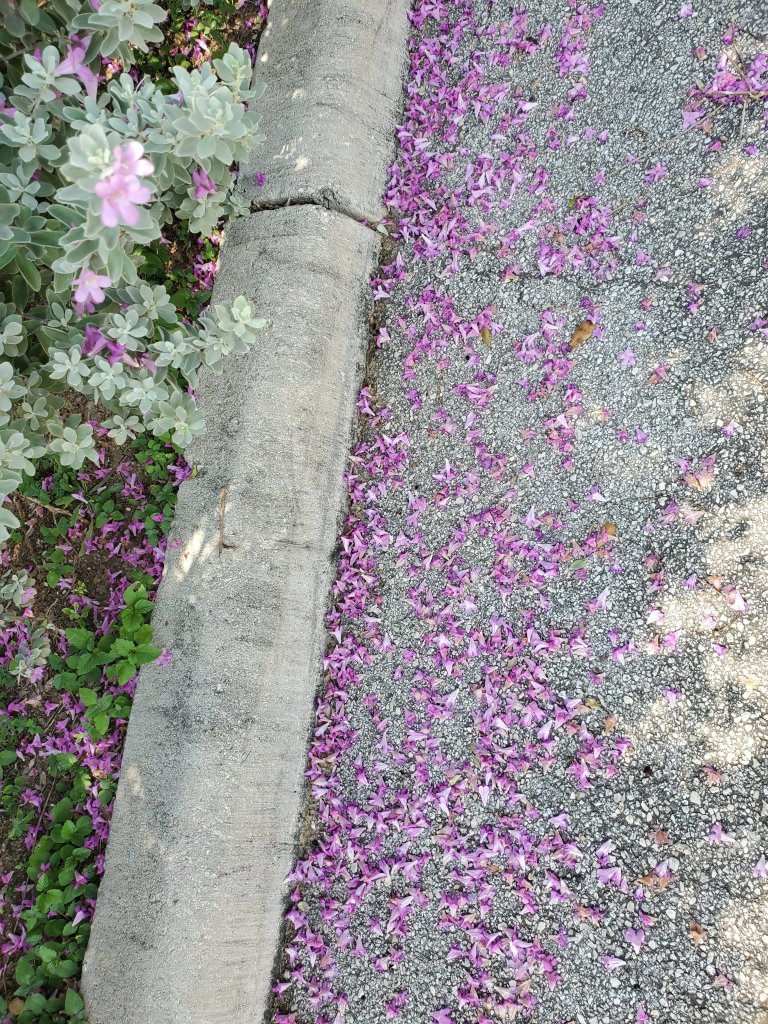
The flowers self clean and make a beautiful purple ring around the bushes. The silver, soft, fuzzy leaves are a nice contrast to the purple blossoms. Leucophyllum langmaniae is a great variety to look for. It’s also called Lynn’s Legacy Cenizo
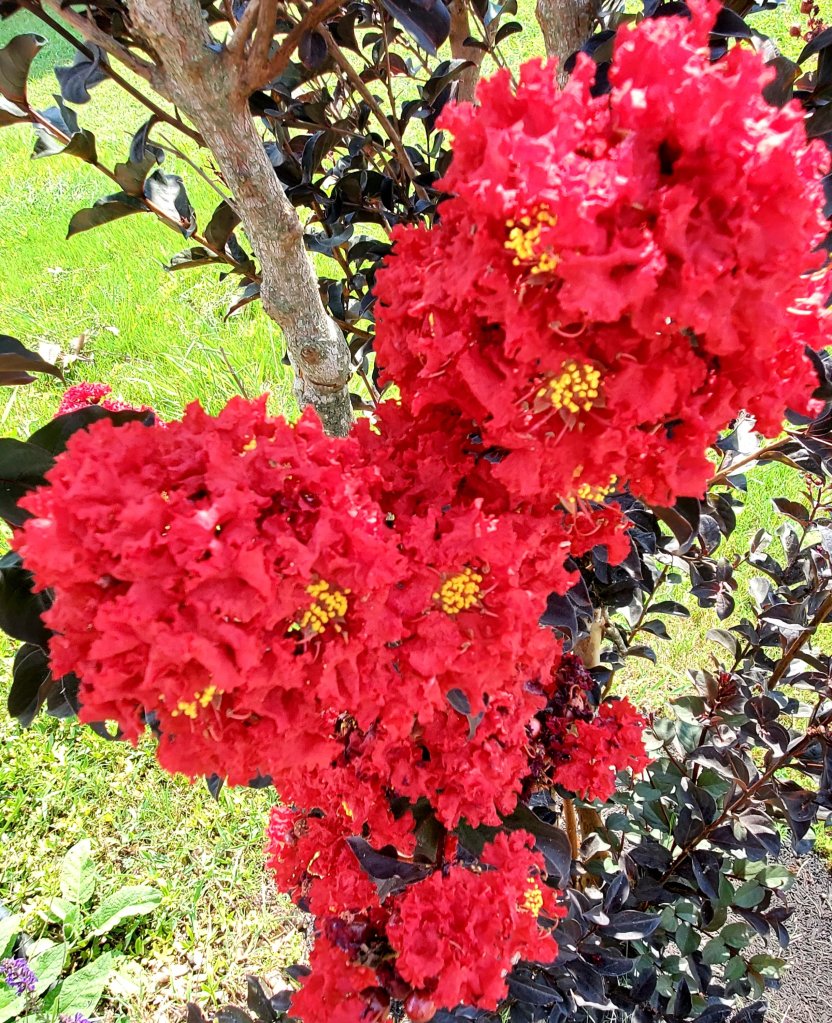
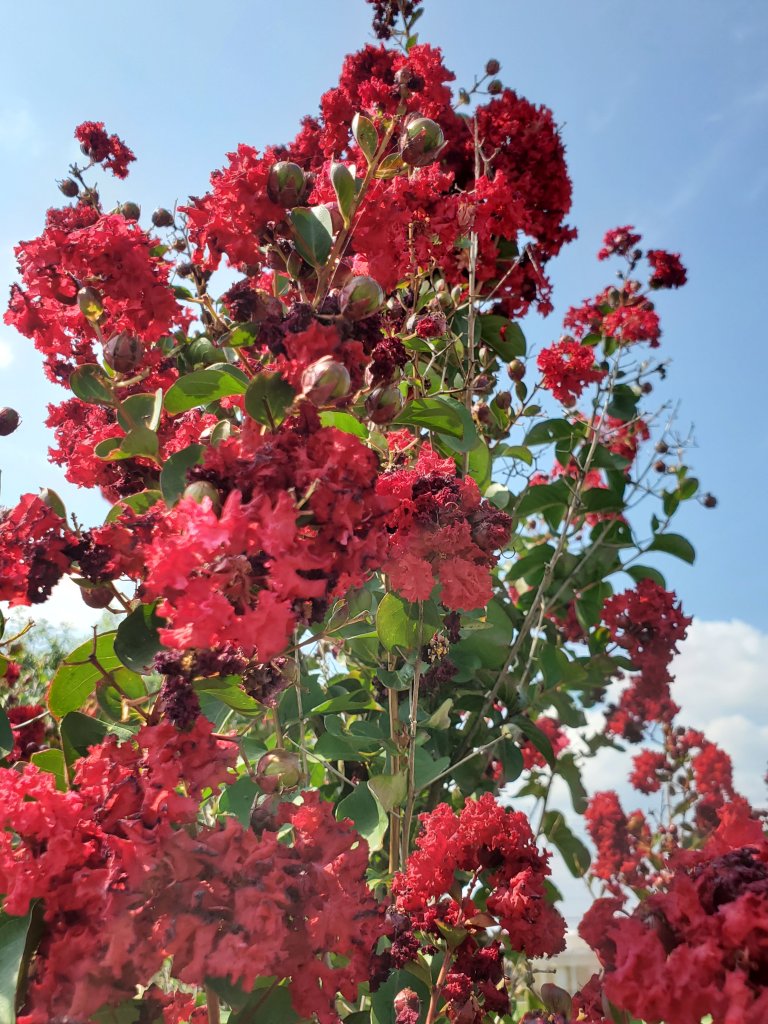
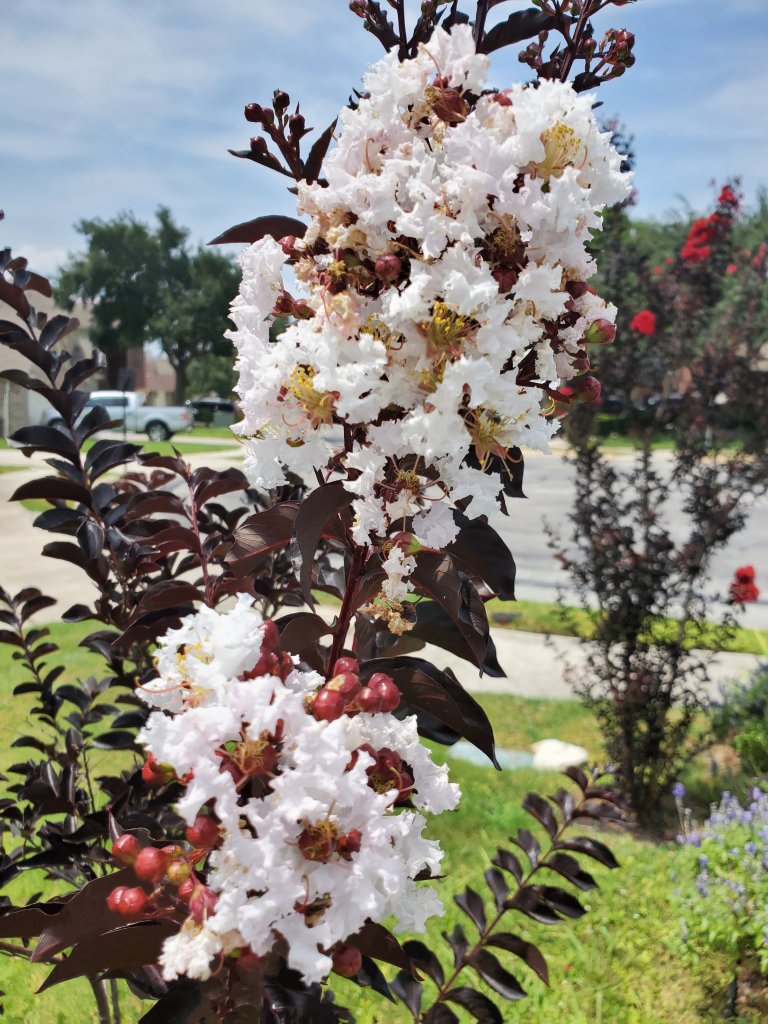
And lastly I do need to throw crape myrtle in here. While crape myrtles can be either left as a shrub or pruned as a standard, these are truly a southern treat. The old crape myrtles were substitutes for lilacs, which will not grow this far south. This is one of the reasons most older stands of crape myrtles are light purple, pink or a greenish white. The old ones could also grow to be very large trees.
The newer crape myrtles are where my heart is. Clear, bright white blossoms on chocolatey brown leaves or fire engine red on those same merlot/chocolate leaves. I love them! These stand out in the landscape and bring attention to themselves. Mine have been very slow growing, but they are finally getting large and the flowers are real show stoppers. Mine get a really agressive spider mite on them that spin crazy amounts of webbing, but they’re easy enough to remove with a stiff spray of a water hose. I don’t recommend using insecticides on them because you may affect other flowering plants and accidentally kill off beneficial insects. Plus, getting inside the webbing that spidermites make is tough for an insecticide and really ends up being a waste of energy and money.
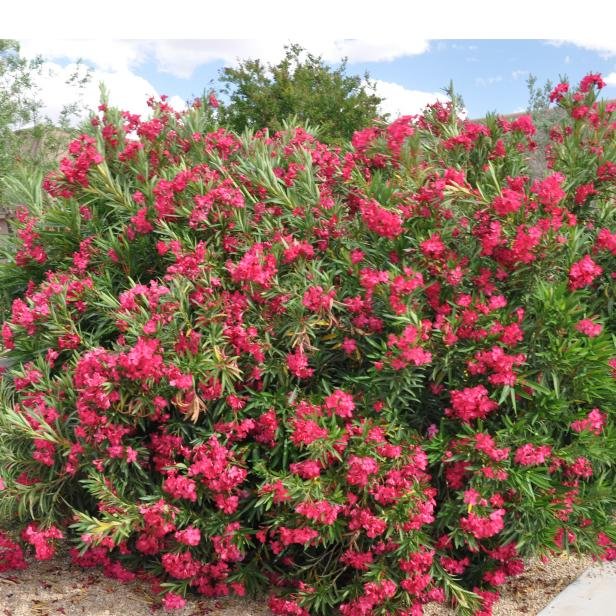
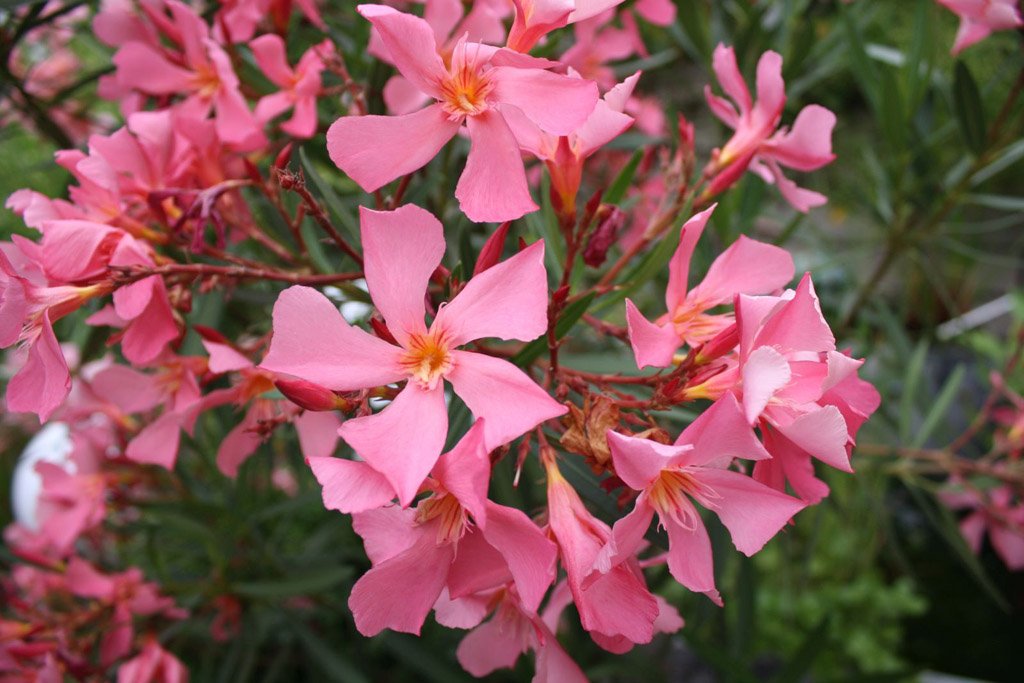
Oleander is one beautiful shrub that I do not grow. Oleander is super poisonous. In Asia it is sometimes used as a suicide agent, so take that thought with you when you go to your local nursery and see these incredible blooms. The flowers are exotic and definitely stand out, but with pets and kids it’s a no-no. If you are interested in growing it, despite its nasty reputation, the bush is amazing. It covers itself in flowers and the only reason I avoid it is an accidental death if my dog nibbles on it. (Which he tends to nibble on all of my plants, you know: in case I formed a bush out of steak or something. Just to be sure. Those humans are tricky!)
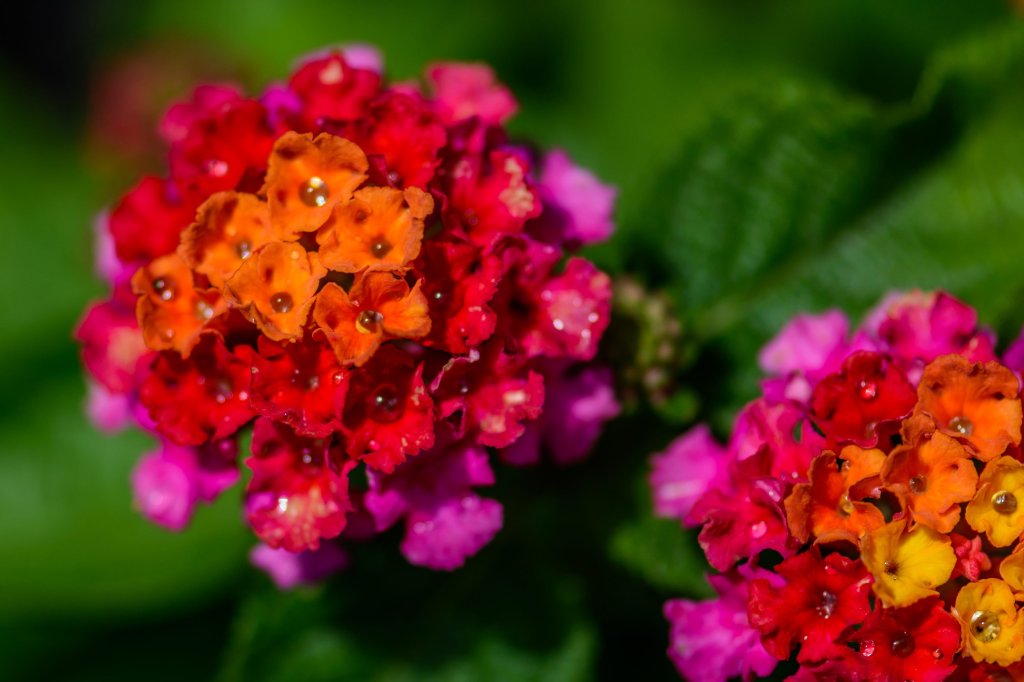
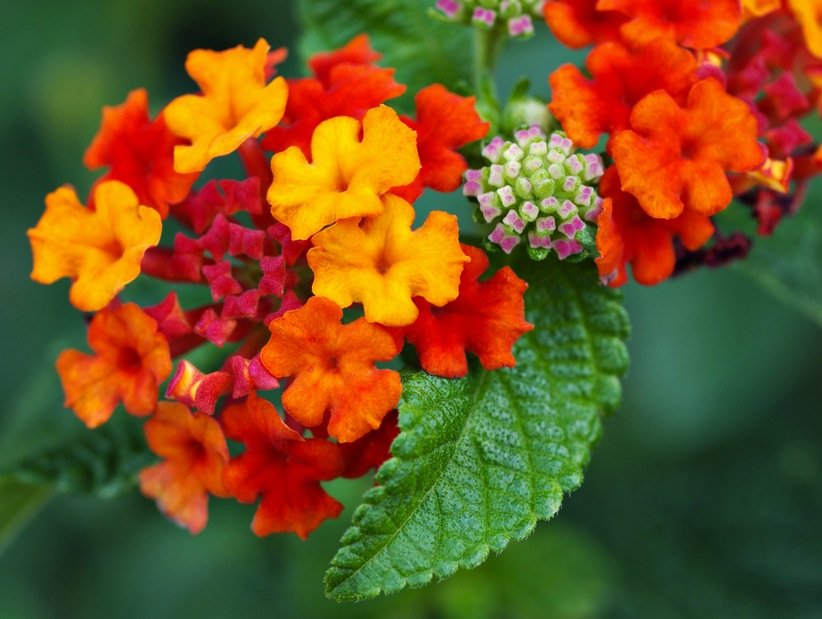
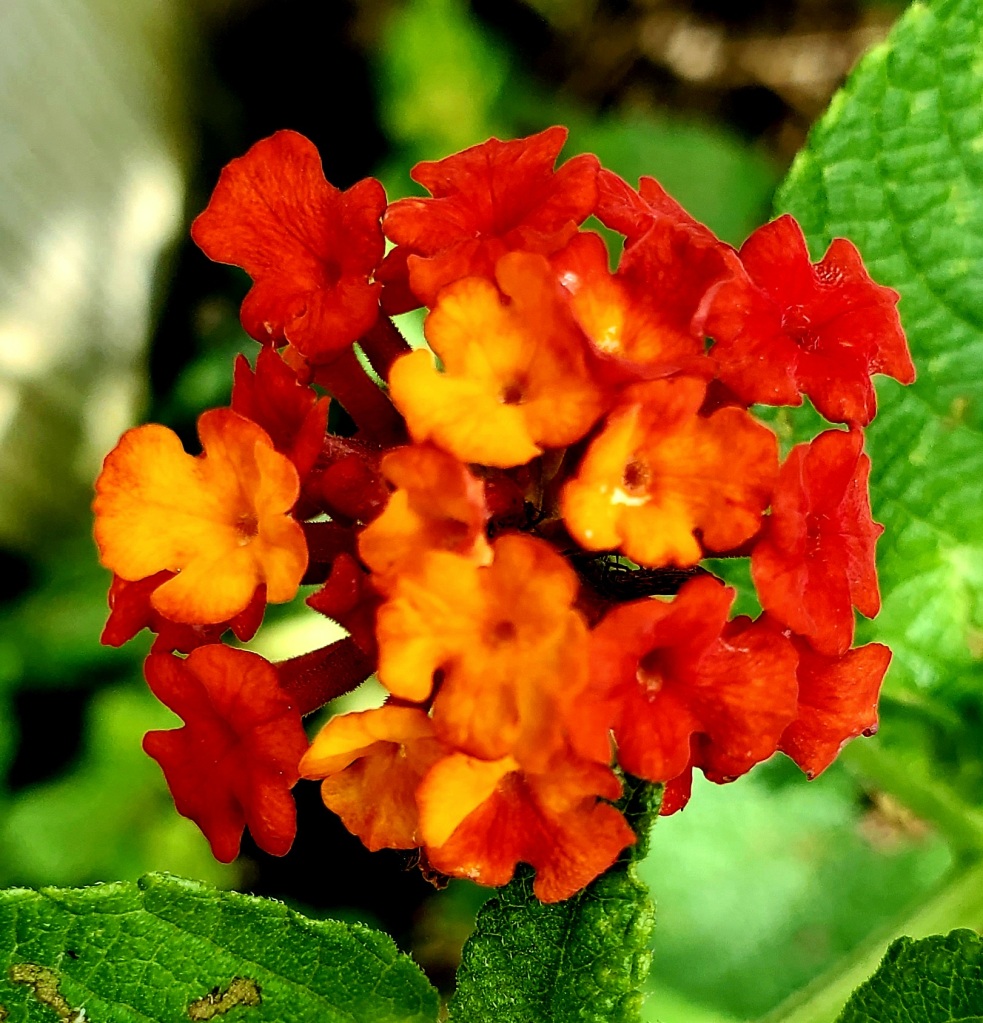
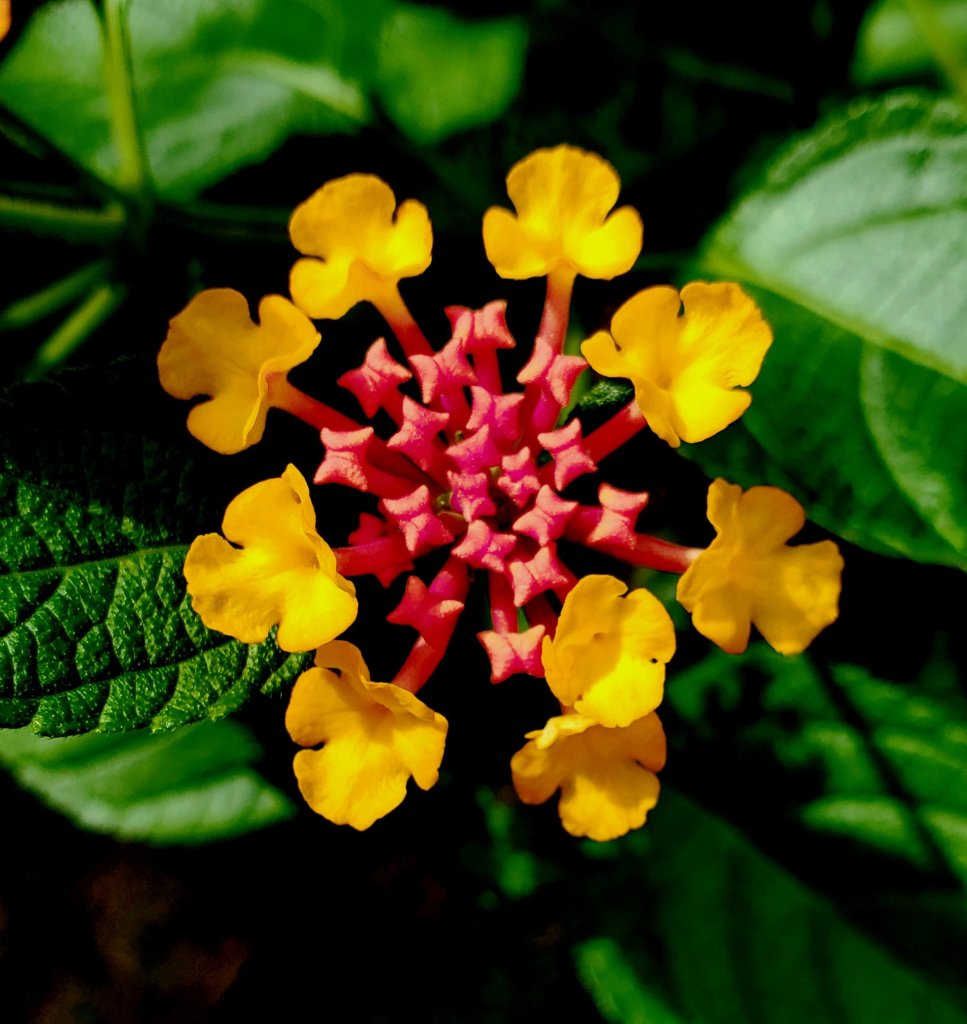
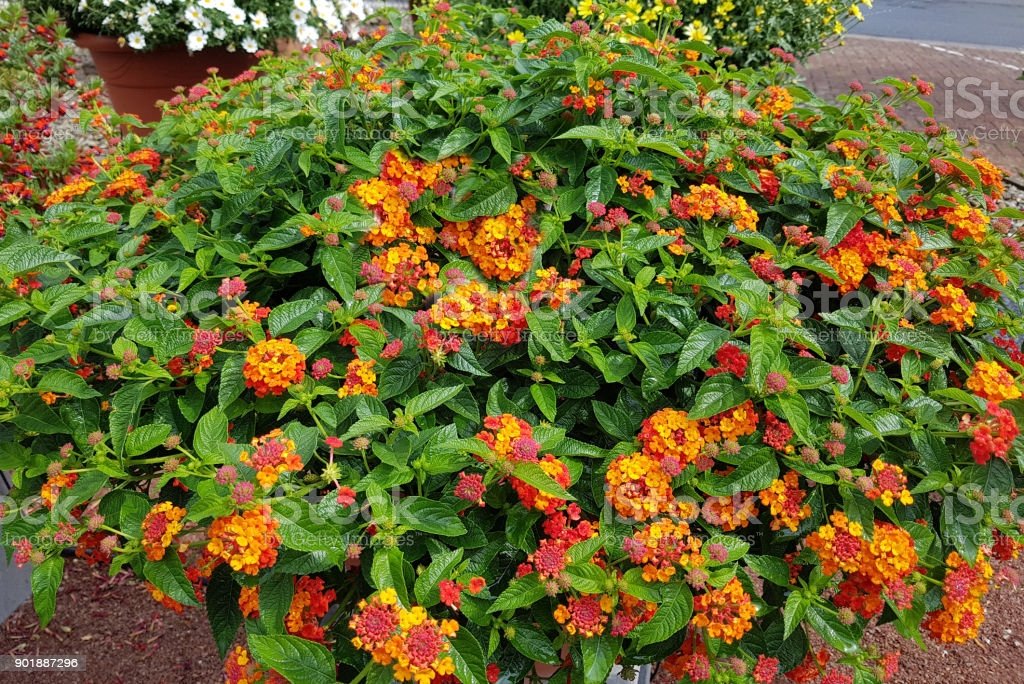
Another plant, that I’m not sure where to put on this list, is Lantana (Lantana camara). Lantana covers itself in flowers. The variety of colors within the same flower clusters is magnificent. But: down here, Lantana can be invasive if it is not a sterile variety (do your research before you install Lantana) and the flowers aren’t something that will make you walk down a long street to see what they are. Up close, Lantana is a wonder to behold, but stand 10 feet away and it’s not nearly as impressive. This is something you plant because you love it, not something you plant to impress the passerby. And, this is also poisonous. My mom used to put some in our sun tea when we’d work in the yard when I was a kid. It does taste nice. Too bad it’s definitely not good for you!
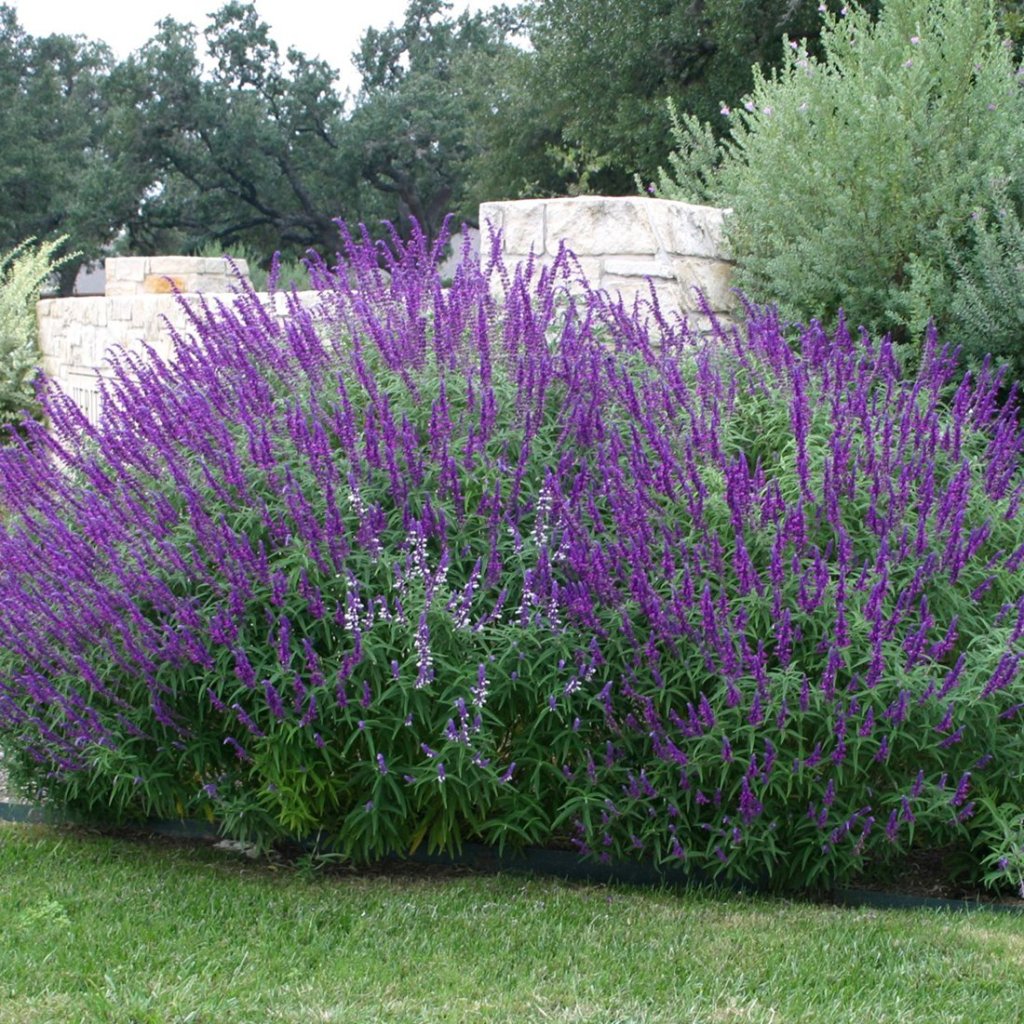
Mexican bush sage (or literally any perennial sage/saliva that you can find) are great growers down here. I have spring blooming salvia offset with summer blooming salvia in my front strip by the driveway. They take turns blooming. Mexican bush sage basically looks like a giant form of the small mounding salvia/sage perennials you can find in the garden centers.
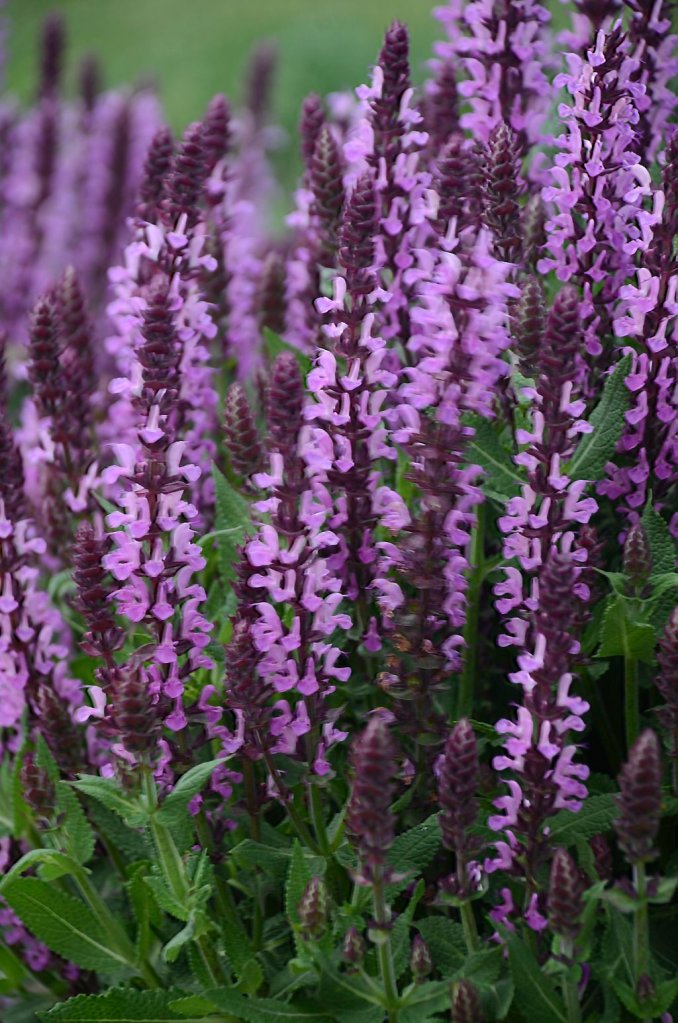
Are there other bushes that grow down here? Yes, of course. But none are as impressive and as self reliant as these are. These flowering bushes are easy to care for because they are drought tolerant, will take our high pH soil in stride, have reliable flowering habits and are generally well behaved.
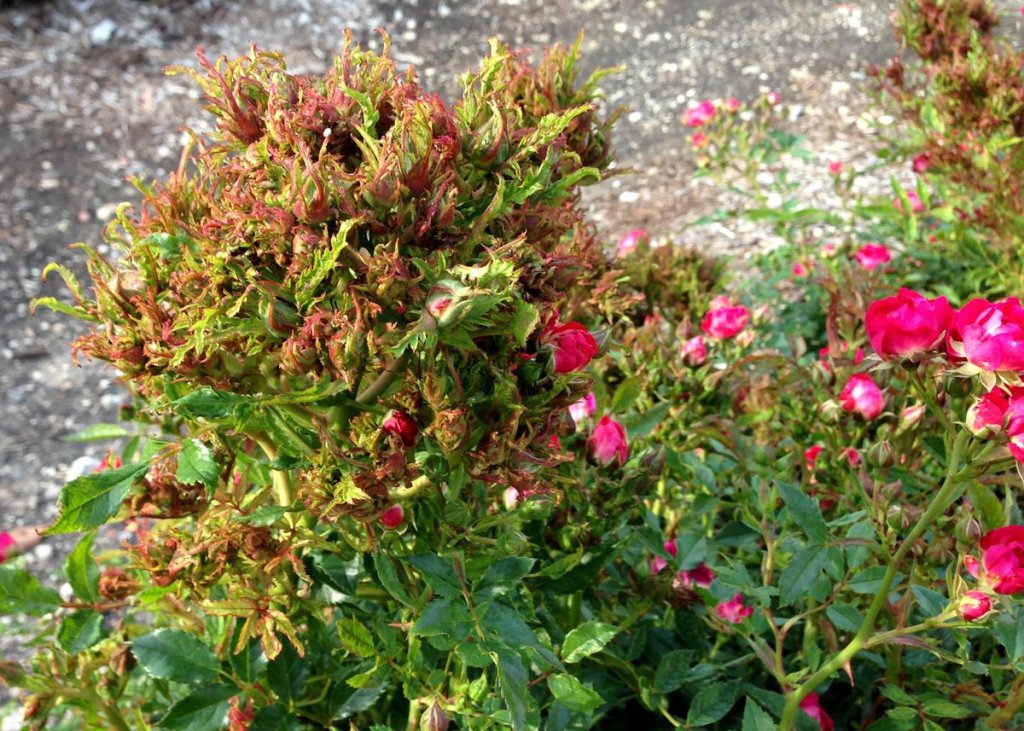
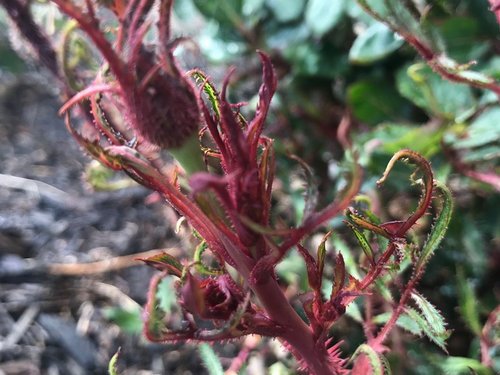
There are some shrubs that I do not recommend. Roses are at the top of the list. Yes there are roses that are recommended by Texas A&M University (aka TAMU). Plus some people don’t believe it’s a garden without roses, but most roses really struggle with our heat, drought and high pH soil. I have tried the Belinda’s Dream rose. I ended up pulling it out. The plant looked beautiful in spring but like most roses, it just looked ratty and messy during the heat of summer. Same goes for knockout roses: they look beautiful (in spring) and then they don’t (the rest of the year). Belinda’s Dream also wasn’t as carefree as it’s advertised and mine got rosette disease (or witches broom.) Probably from all of the other sickly roses in my neighborhood, that are not suited for our climate.
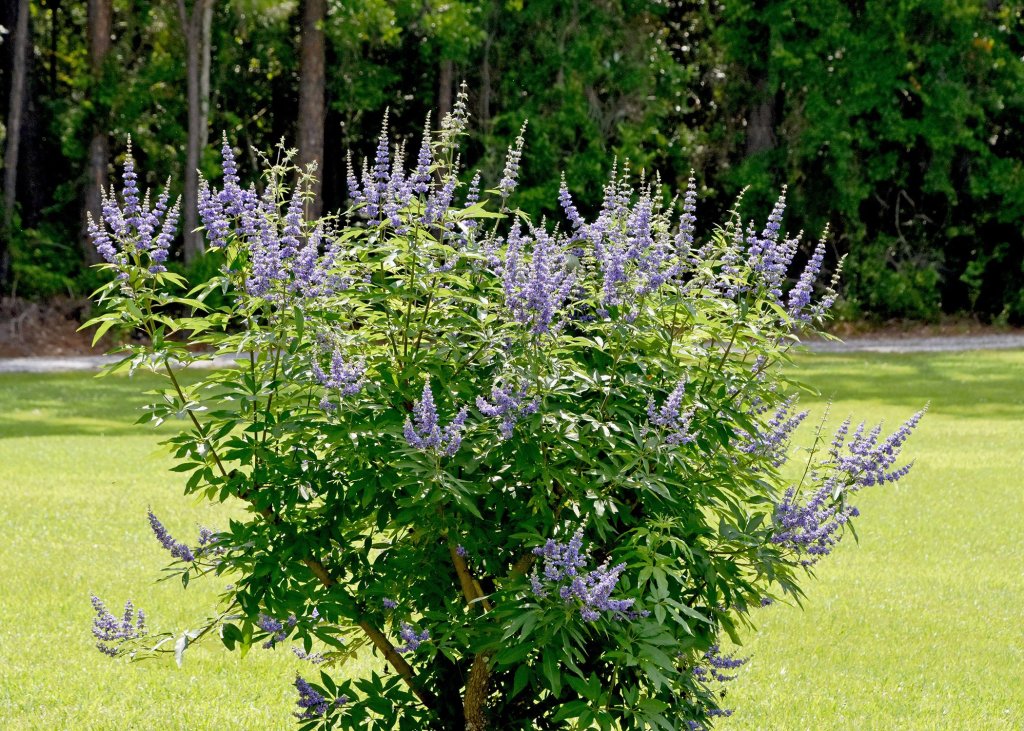
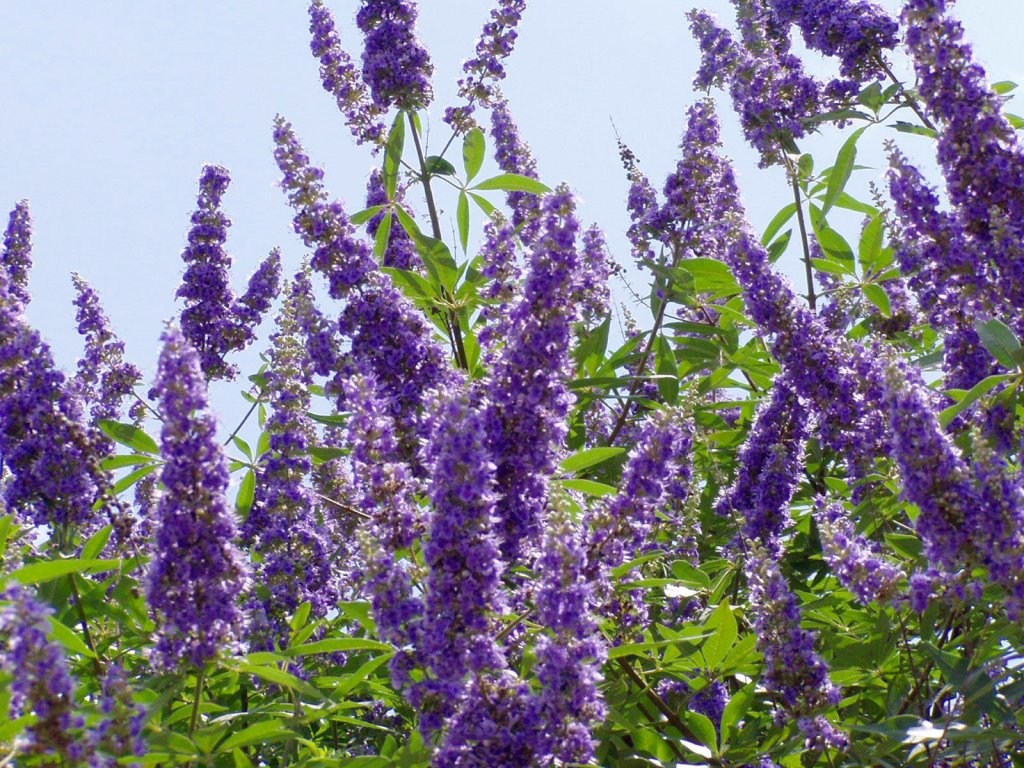
There’s Vitex or Chaste Tree (Vitex agnus–castus is a recommended variety) it is a small tree or woody shrub with beautiful, long purple spires. It is being considered for addition to the list of Texas invasives though, and it’s flowering season is fairly short. Once it’s done flowering it is not a particularly beautiful plant. However, it is indestructible and therefore worth considering.
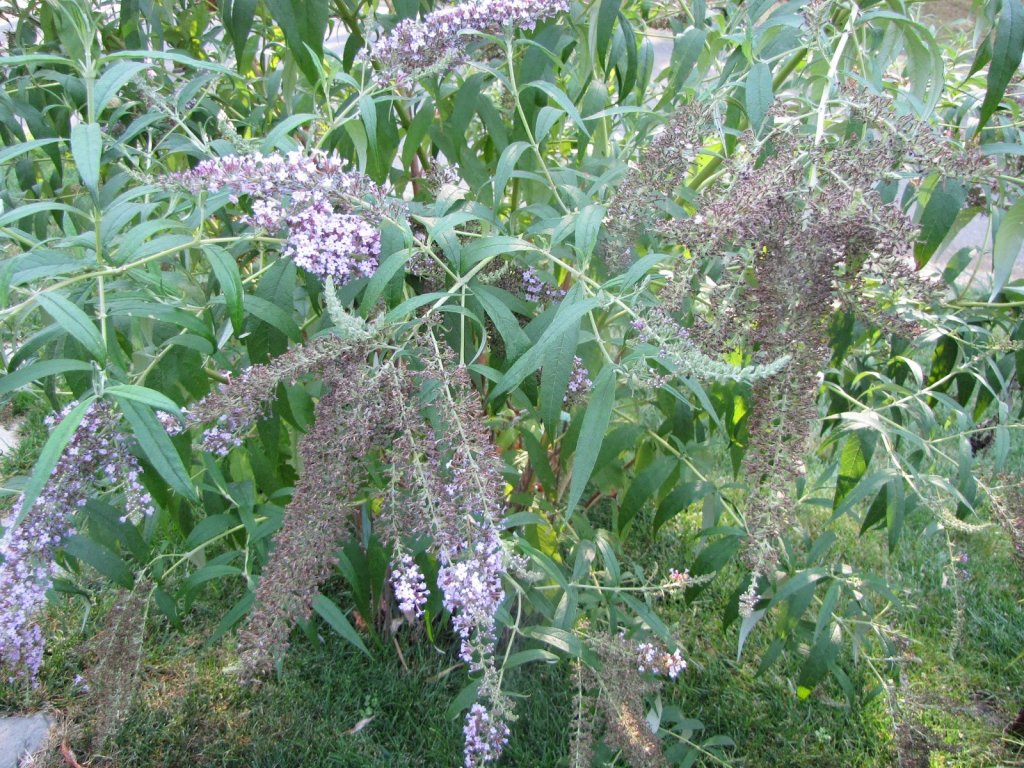
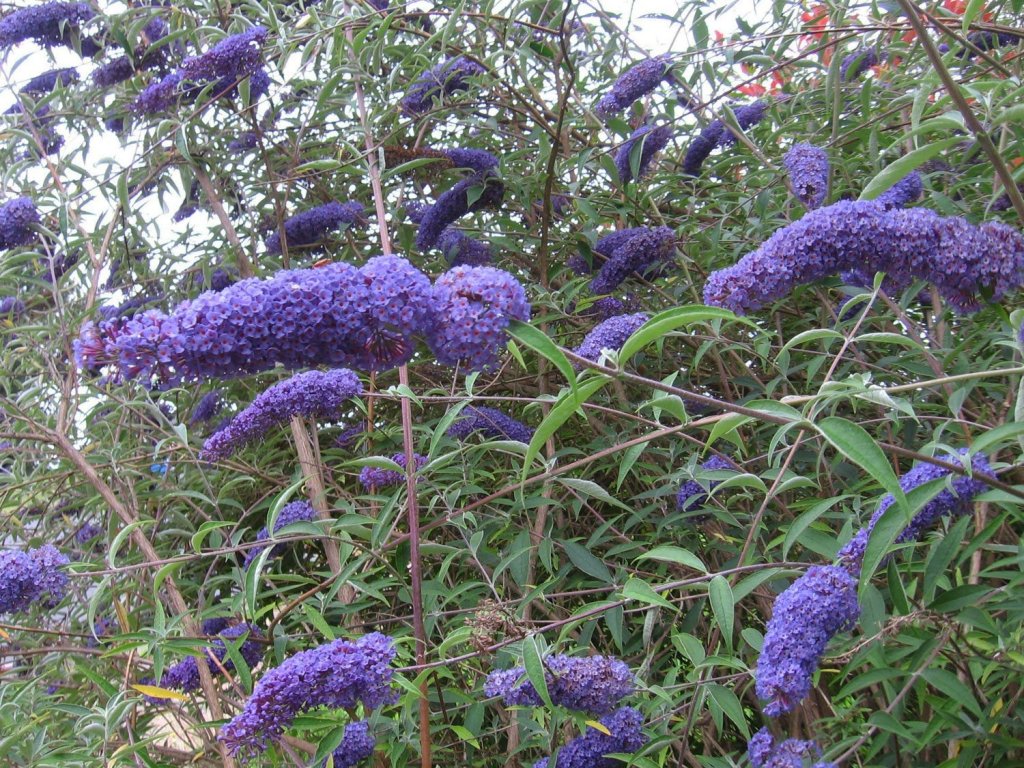
I also don’t recommend butterfly bush (Buddleia). Those are not self cleaning and those giant flower sprays eventually brown and stay on the plant until you remove them. I have things I actually really need to do in our summers, so having to clean up butterfly bushes in 100 degree heat is just annoying. I have also found that they don’t take drought well and there are better plants for butterflies. And lastly: butterfly bush is invasive.
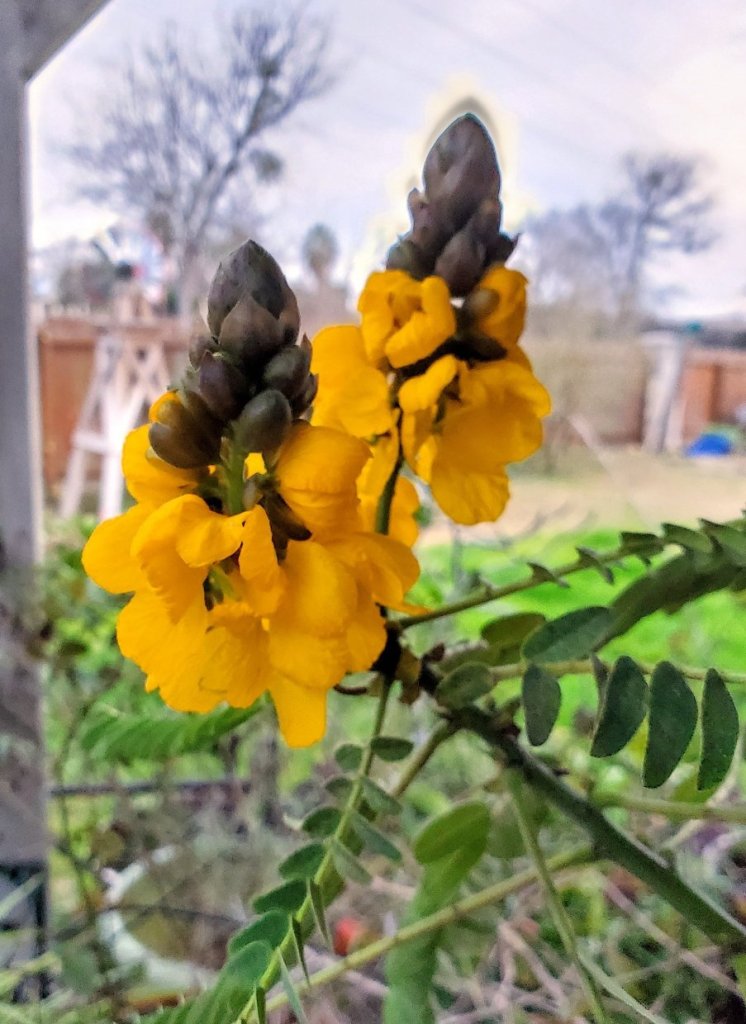
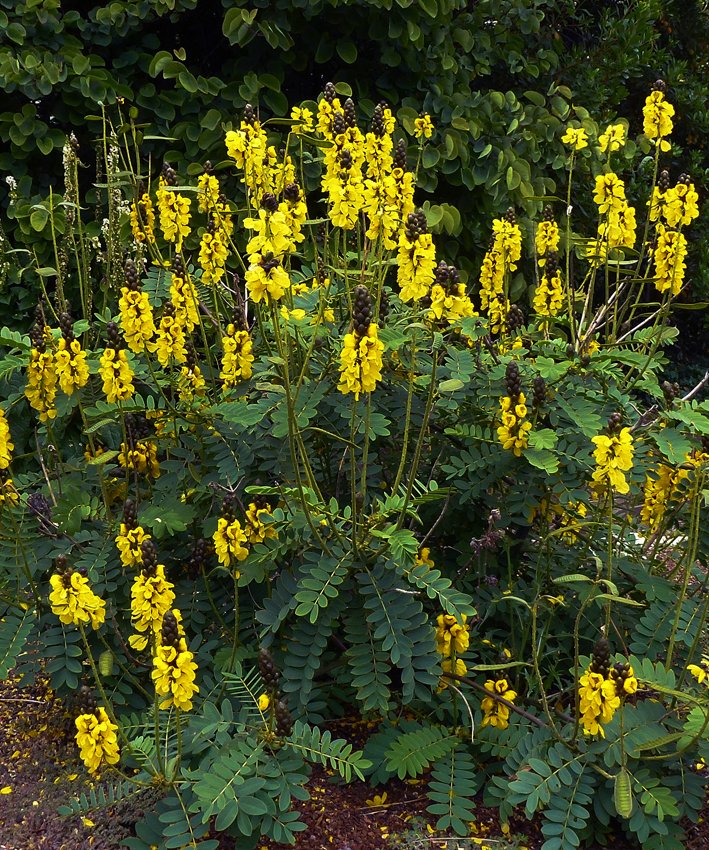
One plant that I loved but it doesn’t make it through our winters is popcorn cassia (Senna didymobotrya). It blooms during our winters. So, it’s green when we get freezes. Because it’s actively growing when we freeze: it completely freezes back and dies. Last year, I had to travel during the holidays so I put all of my potted plants in the ground hoping some would make it. The popcorn cassia did not. However, I love the blooms (and the buttered popcorn smell from the leaves) enough to buy another one. It will have to come inside for the winter.
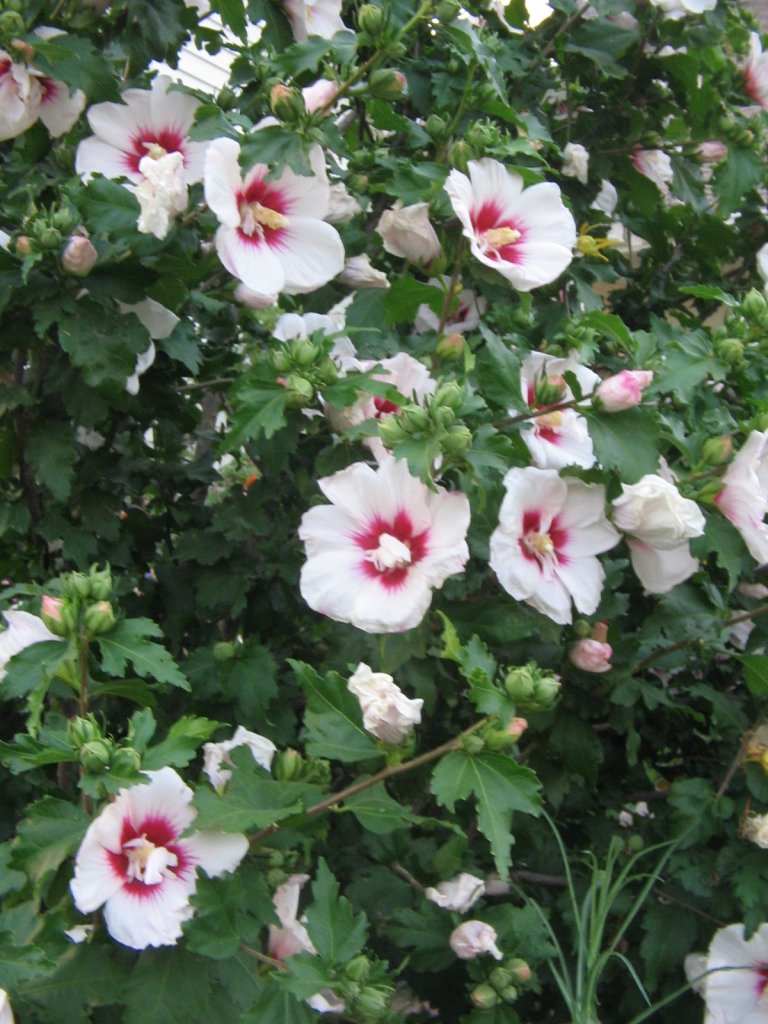
Another plant I love but have trouble with is Althea or Rose of Sharon. It is a hardy hibiscus. I keep losing the plants at the end of the summer through wilt disease. This has happened to multiple plants across my property. There has to be a source of infection, so I may just not be able to grow it. However, I tried growing the same variety twice, so it may be time to try the Superstar version.
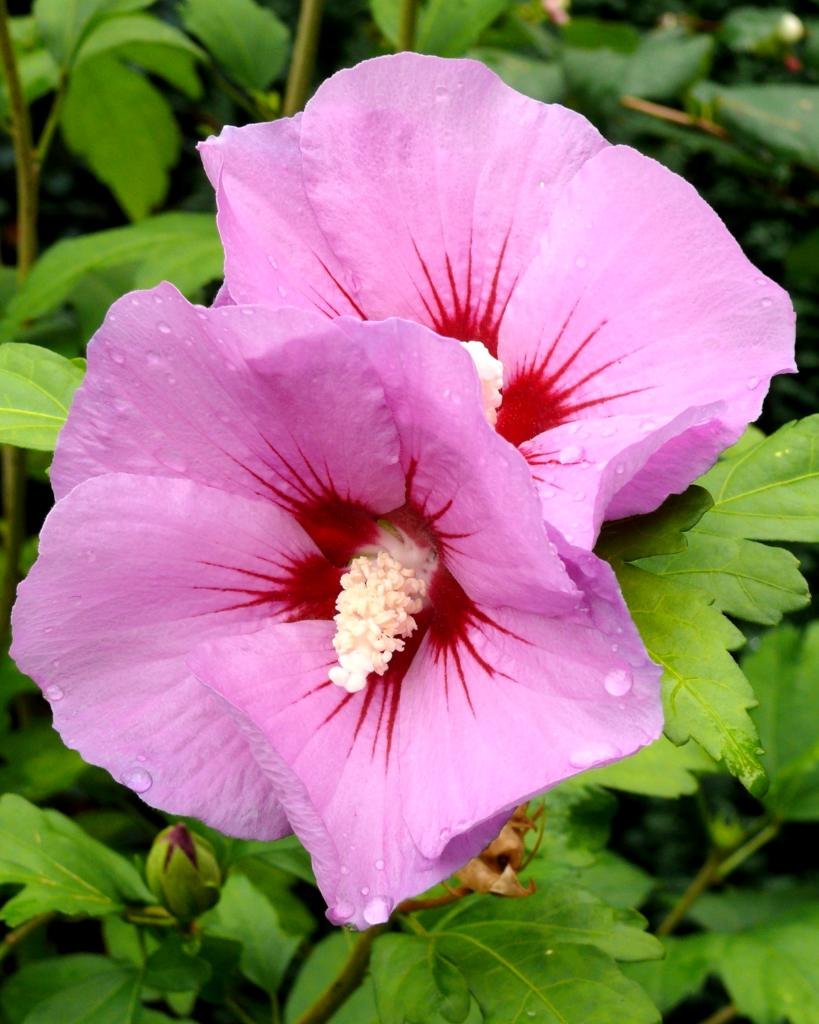
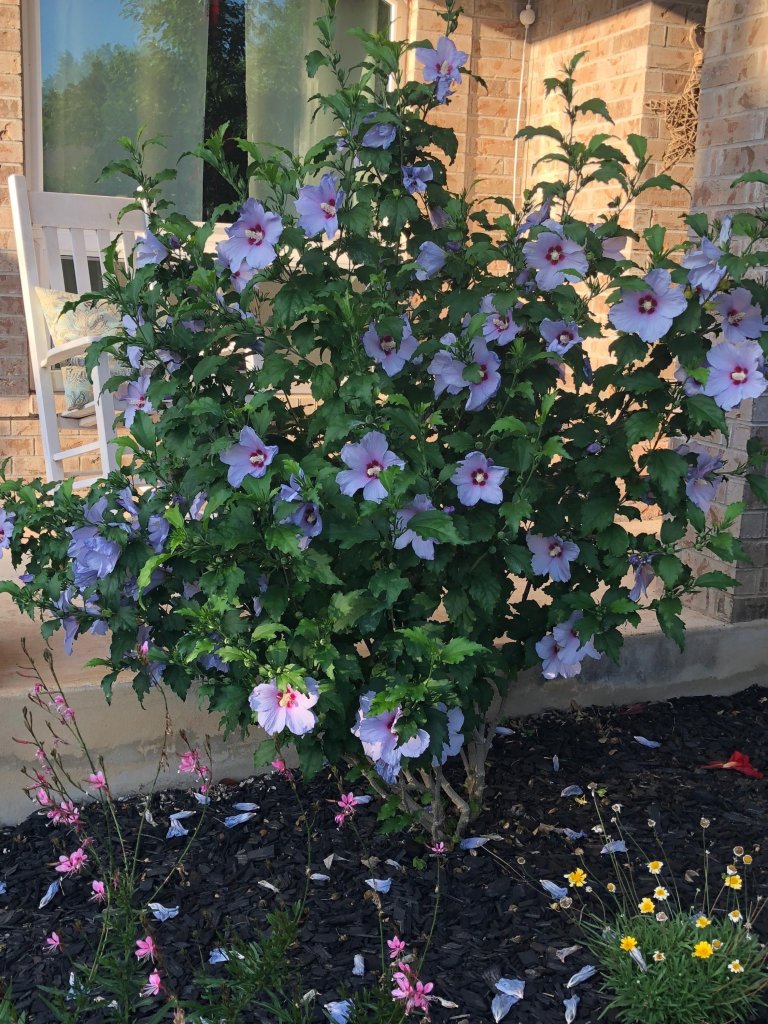
There is a list of plants Texas agriculture recommends. It’s here: Texas Superstars There are Althea varieties that they recommend but I am still in the process of finding a variety that will make it past my late summer weather. Althea will grow in cooler climates. We are at the southern end of its grow zone, as it does well from zone 5-8. You will find them across Kansas. Tropical hibiscus is one of my favorite plants, so I’m hoping to find a hardy version that has blossoms I like.
Do you have a favorite flowering shrub where you live? Have you tried growing these varieties if you are in a hot, arid 8b zone? Let me know your thoughts below and get out in your garden and get your hands dirty!
Discover more from Crazy Green Thumbs
Subscribe to get the latest posts sent to your email.
 Crazy Green Thumbs
Oh, the SHAME! I still feel badly about not being able to grow the seed for pride of Barbados and yellow bells (or poinciana and esperanza) that you sent to me. It should have been so simple. That was when we got the worst frost since 1990.
No shame! Sometimes things just don’t work out. I can always send you more. They just go to waste in my yard and I’m happy to share. Let me know if you are interested.
Are they ready at the end of autumn? I would like to try them again. I do not mean to be a mooch, but they are two species that I would like to grow from seed, rather than as cultivars.
Yes, I should have some ripe seed in a month or so. I’ll send you some more. They are beautiful. Happy to share with you.
Splendid! I will ask in a month or so.
I so enjoyed your post. I live in southeast florida – zone 10. I have a butterfly garden all along my walk way. Naturally all heat tolerant plants – we are having a super hot summer so far. Some of the ones you’ve planted I wasn’t familiar with so I’ll look into them. I have good luck with ground orchids (Epidendrum radicans), firefly bush, firecracker bush, night blooming jasmine (omg the scent! But they got some kind of pest and I had to take them out) etc. thanks for sharing your ideas!
I have never seen those orchids before! What amazing blooms! I’m going to guess we don’t have enough water for those to survive here, but I may try them anyway! I have a firefly bush and there are firecracker bushes in my neighborhood. I may try lining an area with a strip of firecracker bushes, in full sun and see if they are more impressive en masse. I also had a night blooming jasmine but it had something go wrong with it too. Our summer has been nasty, too. Thank you so much for the ideas and for stopping by and commenting! I appreciate the visit.
These are beautiful pictures. I think I could grow Mexican bird of paradise. I’m in west Virginia and have tons of elephant ears. Banana trees grow here. You’ve given me ideas!
I’m glad you enjoyed the article! Good luck with the Mexican Bird of Paradise and thank you for stopping by and commenting. I appreciate the visit.
Where are you located? I have the same growing conditions in Columbia, South Carolina. Insanely high humidity and high temps (100+) and sizzling sun from sun up to sundown. Plus, I live in a state forest, so all the flowers in my 7 gardens have to be not only lovers of full sun and drought tolerant but also deer-proof. Quite the challenge for many years until I could figure out just the right mix. But all those challenges are what makes gardening fun, right? Lol!!
I am outside of San Antonio, Texas. I was born in South Carolina though! I’m a military brat. We haven’t had rain in months but there’s some expected to blow through soon. It’s been a hot year for sure! Thanks for stopping by and commenting! I appreciate the visit.
You’re very welcome!! Always wonderful to meet another gardener. Bummer about your lack of rain. This has been a very unusual year for us. We were cooler than usual in May and June and had lots of rain. Waaaaaay too wet for my garden. I had planted 2000 periwinkle seeds, they came up beautifully in April, but as you know they do NOT like a lot of rain. I ended up losing 2/3 of them. Rotted. Fortunately we’ve been hot and dry in July and now August so the remaining 1/3 are growing and blooming like crazy. So I would be happy to send you our rain overage. Good riddance!! Lol!!
We had a ton of rain too. Spring all the way into the beginning of summer and then it’s like the spigot got turned off and the oppressive heat set in. I get heat exhaustion just dragging my hose around to water. It’s definitely been a weird year for weather out here as well. Makes me wonder what we have in store for winter!
I know!! We usually have wet winters. Not snow or ice, but cold, bone-chilling rain. And with all the rain we’ve had so far this spring and summer, that’s the last thing we need. Lol!!! But that’s what they’re predicting for winter this year. However they say we will be warmer than usual, which will be nice. Speaking of rain, we’ve had so much rain 1/3 of my front yard has turned weirdly brown and died. That’s a first. Usually it’s lush and green (fescue and centipede grass). And whatever is doing this and killing my grass, it’s spreading. Yikes!! After doing some research I discovered it’s a grass fungus called “Brown Patch.” It’s a fungus caused by too much rain. Fortunately, I found a bag of fungus killer at Lowe’s. We plan to spread it on the lawn today. Yeah. Definitely a crazy weather year. Lol!!!