
The things I grow in summer are things that I don’t have to baby. Today our “feel like” temperature was 103 degrees Fahrenheit. I’m not interested in doing manual labor in that sort of heat (Although, I did. I was out in that heat for about an hour and a half yesterday weeding and pulling corn stalks. My husband says I’m Thor in my garden.) I try to do most of my garden work in spring and fall, when the temperatures are more agreeable!


My beds are made in hugelkultur/keyhole designs and I rarely need to water, except during our 100+ degree heat. The instructions for both beds are here: Hugelkultur, Keyhole Gardens: Bridging Ideas
And here: Mother’s Day Raised Hugelkultur Bed!
So, what vegetables do well in the heat, down here in Texas? There are some summer veggies that are incredible producers in our high heat. Some of my favorites are below:
Okra I know a lot of people don’t care for cooked okra because of the texture. Or the extent of their okra cooking knowledge is using it as a thickener or breaded and fried. I don’t usually do either of those (although I do love them breaded and fried!) I usually eat them fresh. They are one of my very favorite summer vegetables and they rarely make it inside of the house. I stand out there and munch on them in the garden!
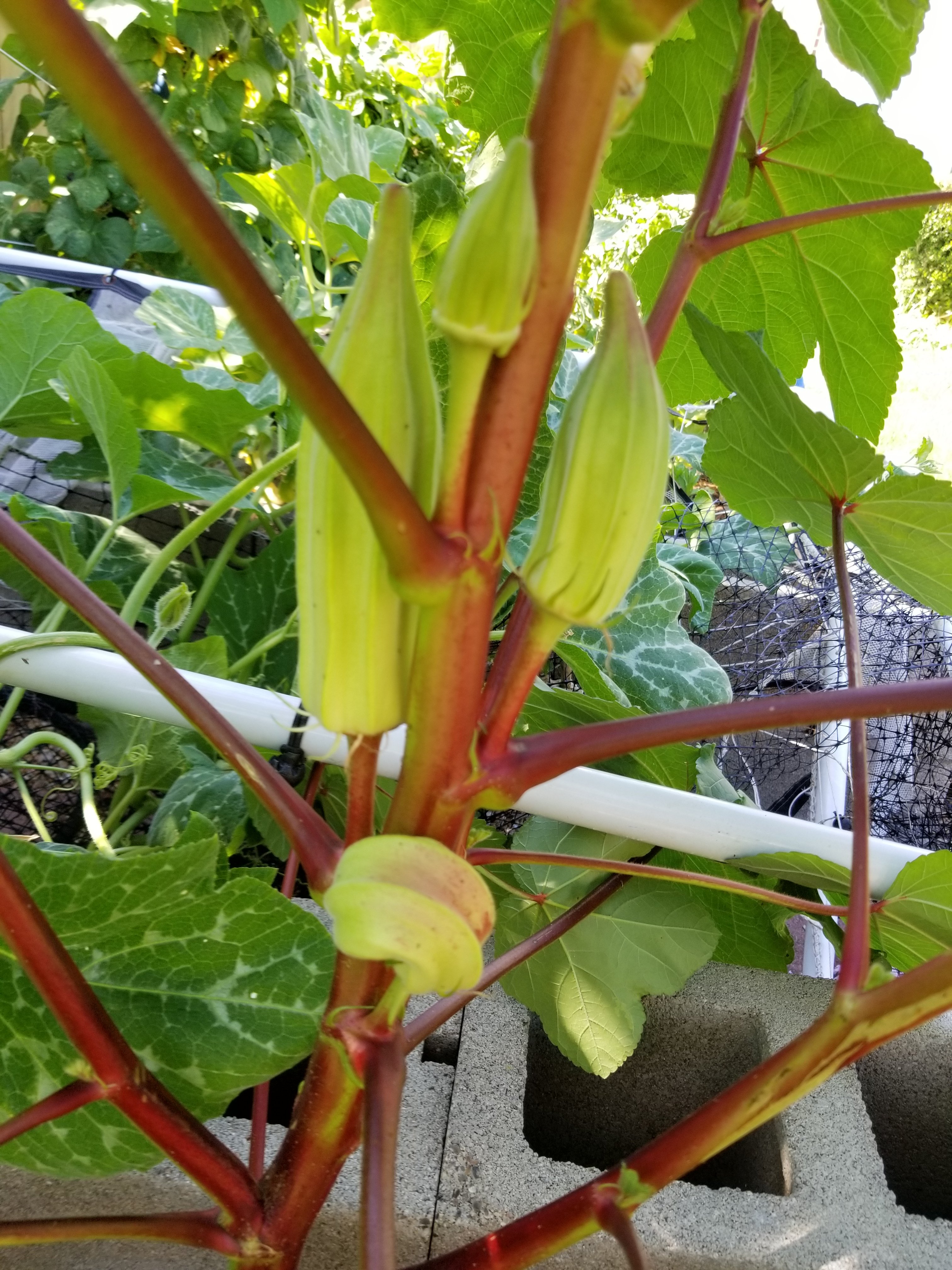
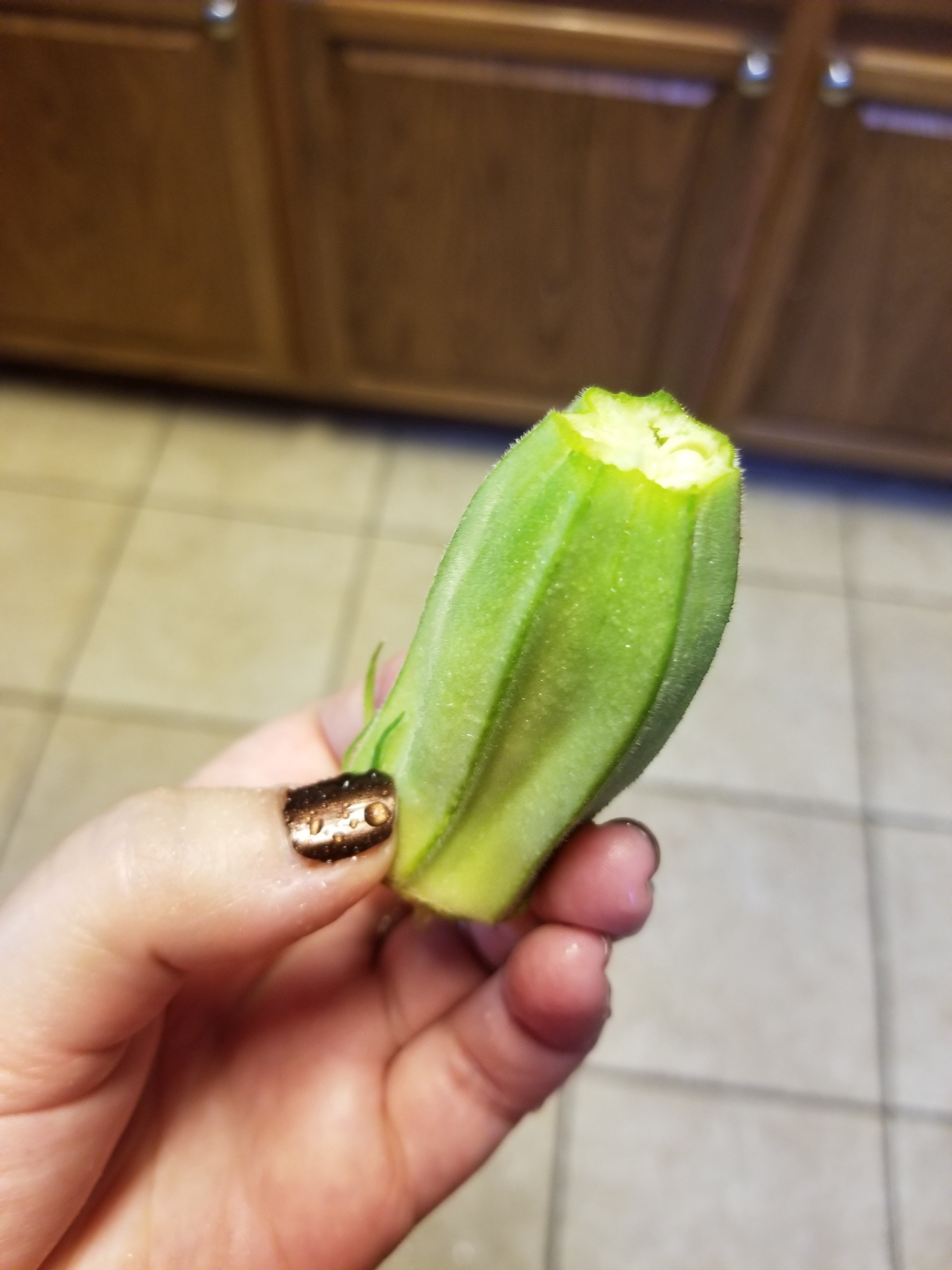
They are not slimey when they are fresh, although the seeds are slippery. Okra doesn’t get slimey until you cook it. Blanching okra slices makes breading them a breeze. They get a little sticky and then corn flour sticks to them with no additions. Other veggies need an egg wash, but okra has that stickiness built in. Then you can freeze them, in a single layer, on a cookie sheet and bag them to fry whenever you have an okra craving. Okra gets woody as it ages and will get very long and tough. This is a vegetable that needs to be picked young to enjoy.
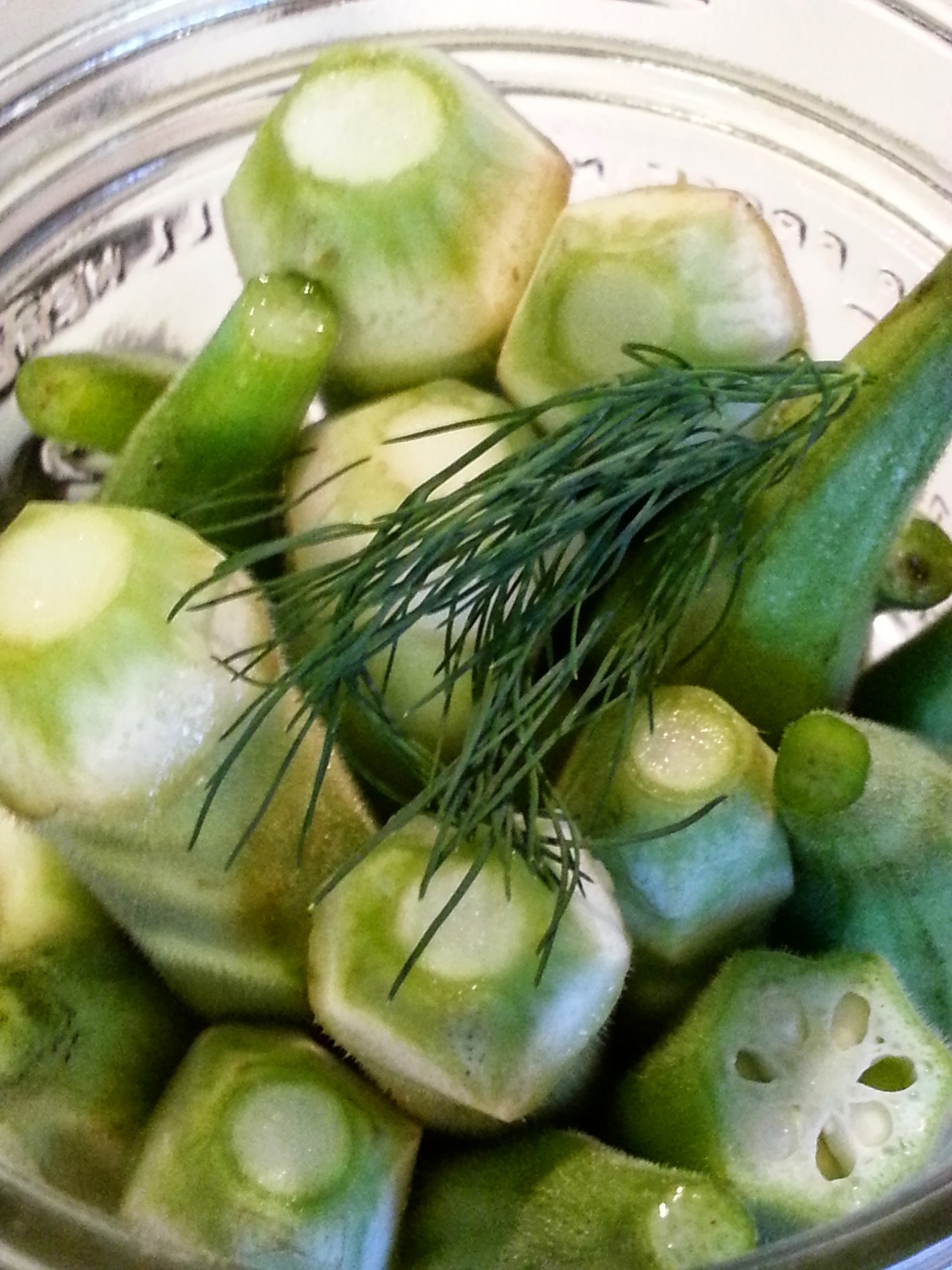
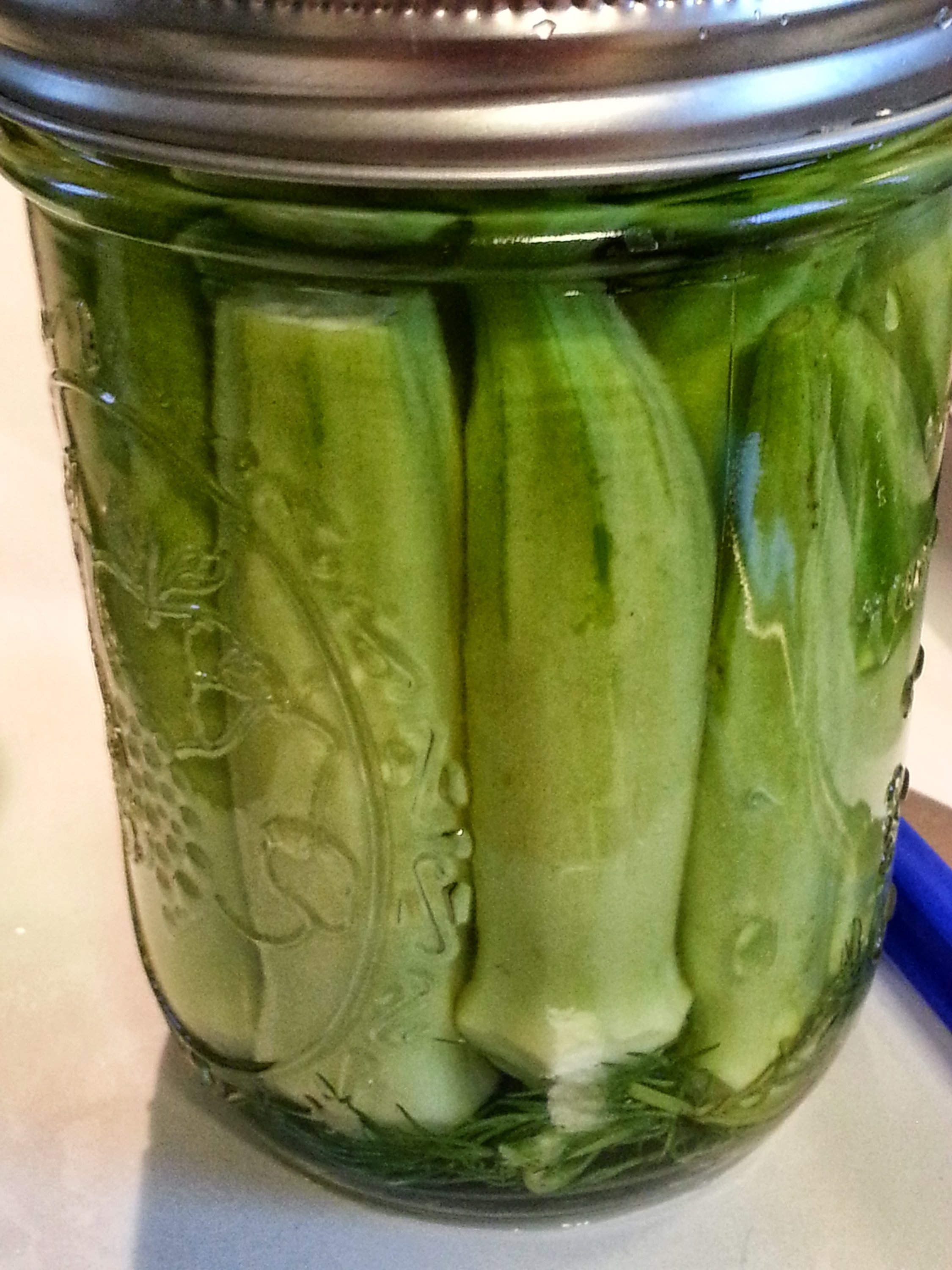
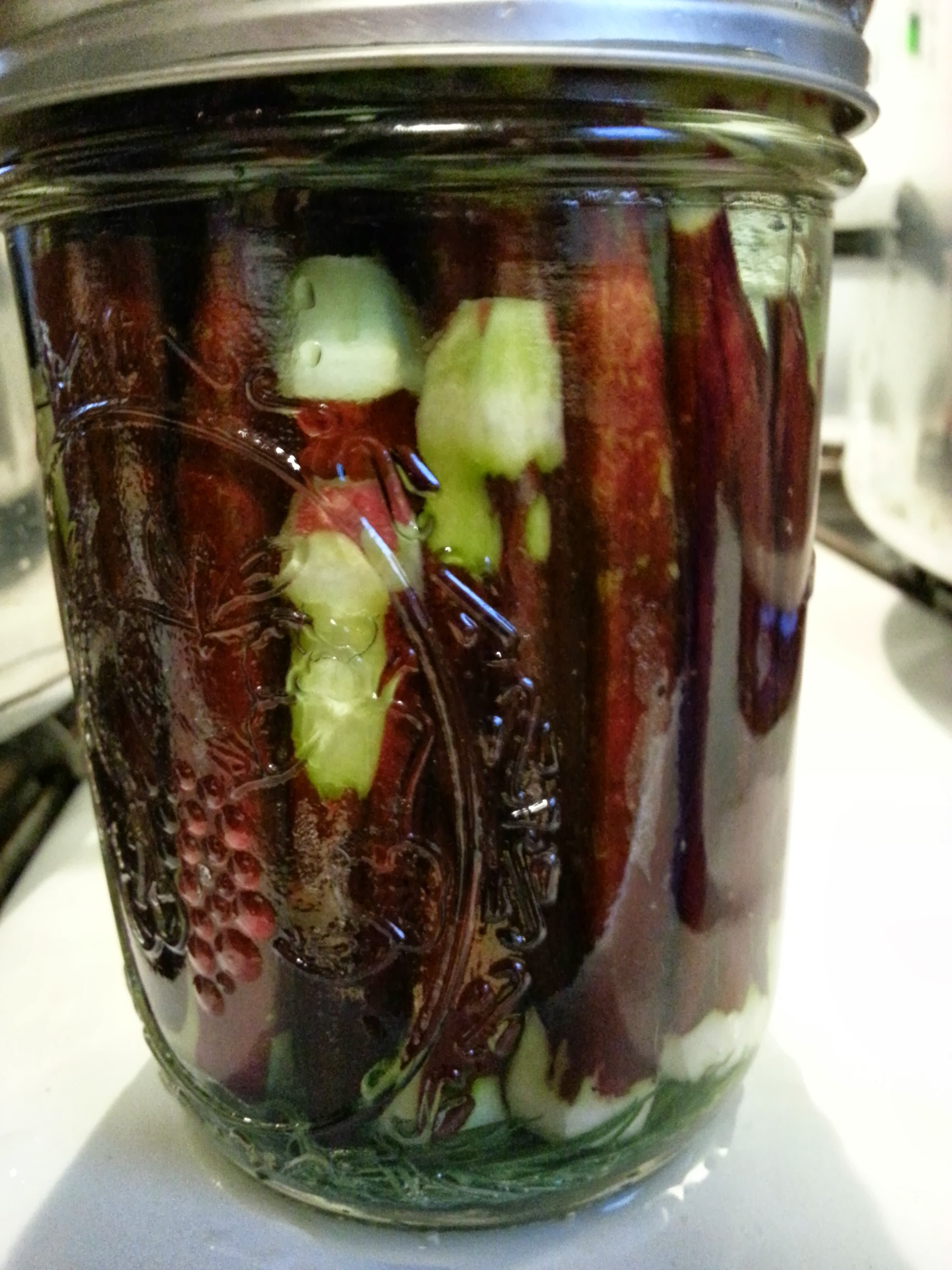
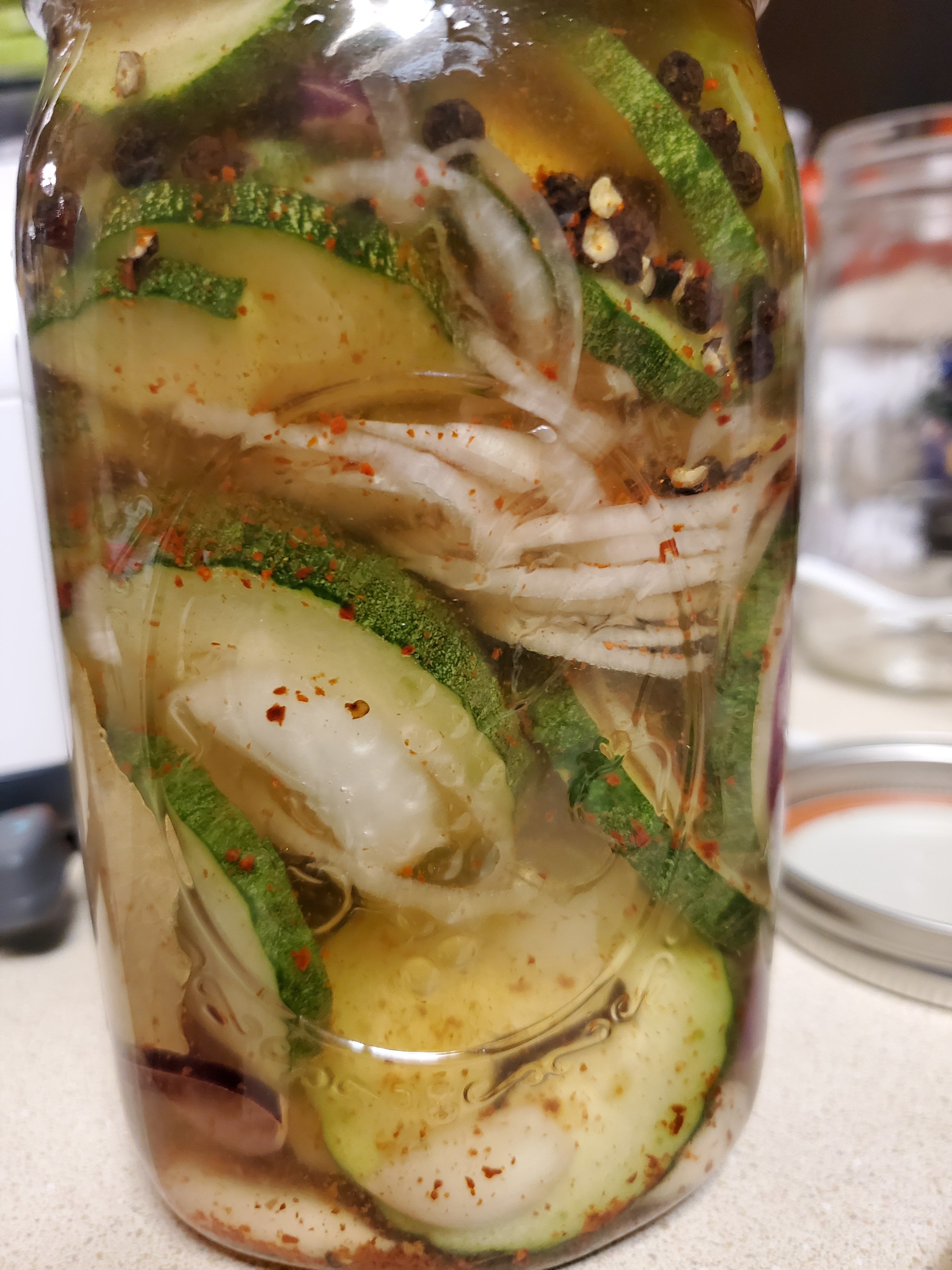
Another of my favorite ways to consume okra is as pickles. They are delicious (and again: not slimey) pickled. Vinegar and salt in the pickling brine keeps the slimey texture, that okra can get, from forming. Use with any pickle recipe that would use cucumbers.
My favorite pickles are horseradish pickles! We used to get them from Porubsky’s restaurant in Topeka, Kansas. Oh, man, they’re good! This is a great horseradish pickle recipe: (You can sub greenbeans or okra for the cucumbers.) horseradish pickles
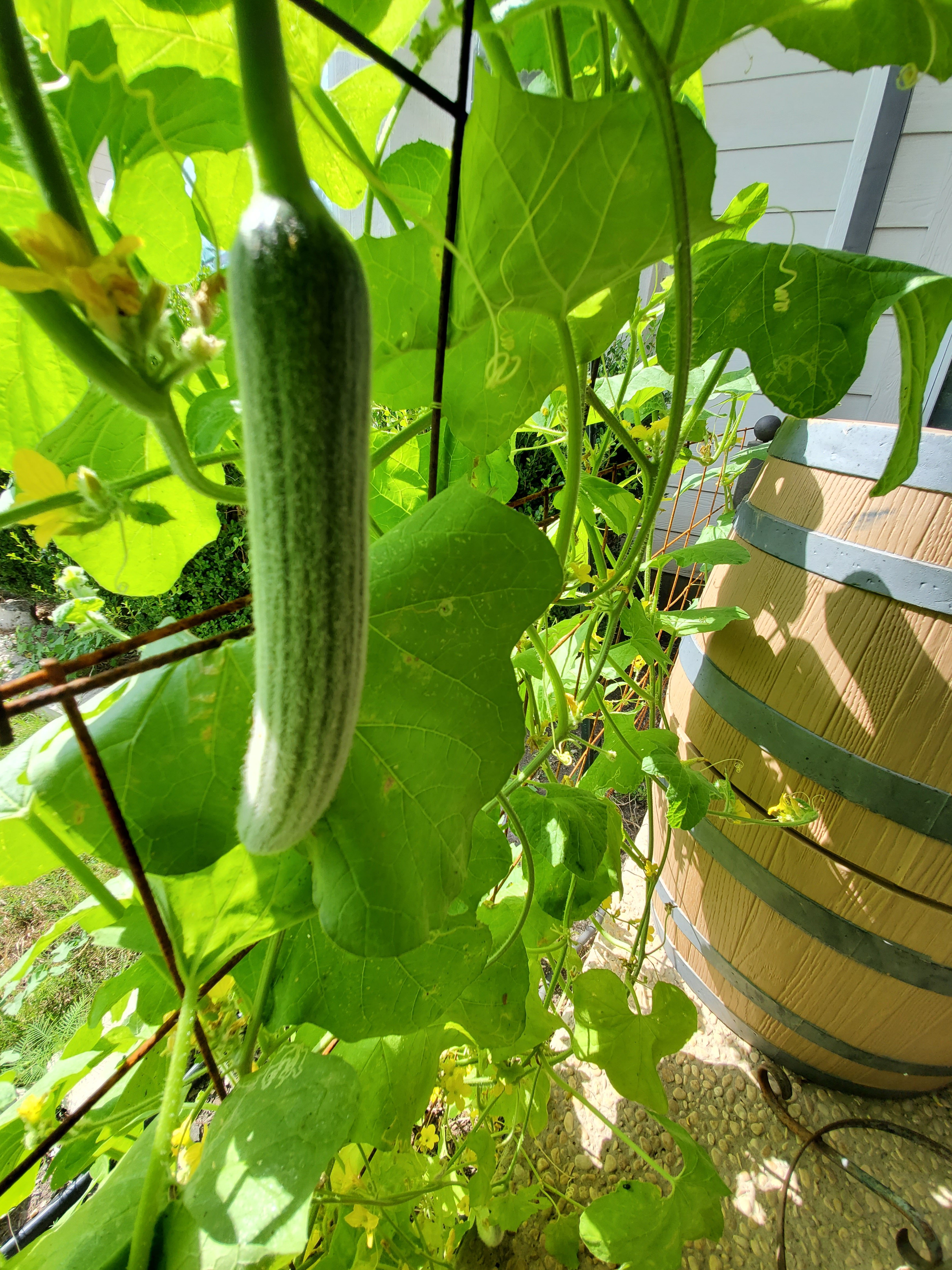
High Heat Cucumbers Next on my list of awesome high heat veggies: is a high heat cucumber. I grow a cucumber that in Texas: there’s no better summer cucumber. This cucumber doesn’t get bitter in the heat. It’s actually a melon, not a cucumber, so heat is sort of its thing!

Mature armenian cucumbers.

It’s getting more popular every year because: these taste delicious and can handle high heat. These also make great pickles.
The vines have new cucumbers ripening daily. I never have to go without them! I most frequently eat these fresh with a little salt or in a German or Thai style cucumber salad. (Recipes are in those links.)
I usually buy the seed from seedsavers.org (I really like that seed company because they are a genetic library of heirloom seeds. They grow out heirlooms, sell some and save some. Without companies like theirs, varieties of heirloom vegetables and flowers can forever disappear.)
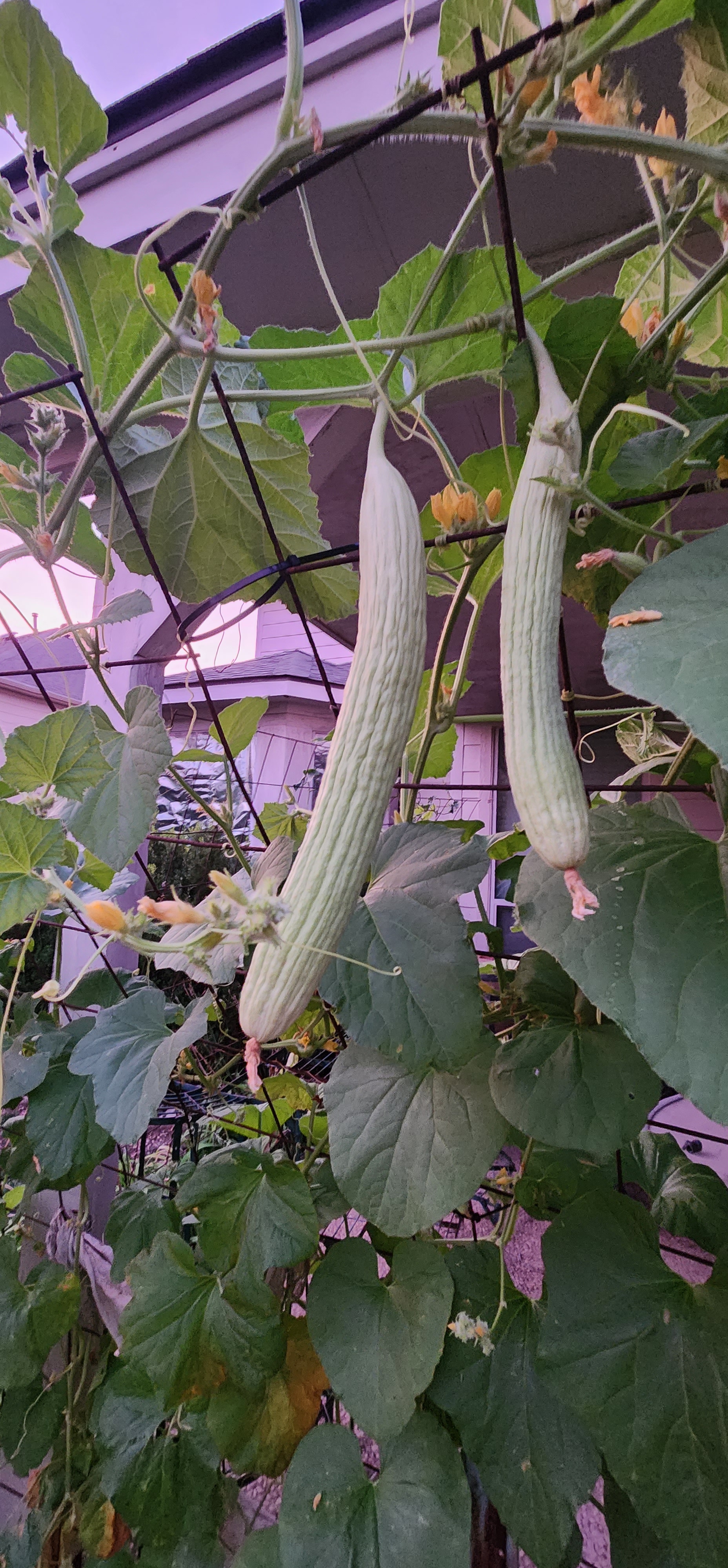
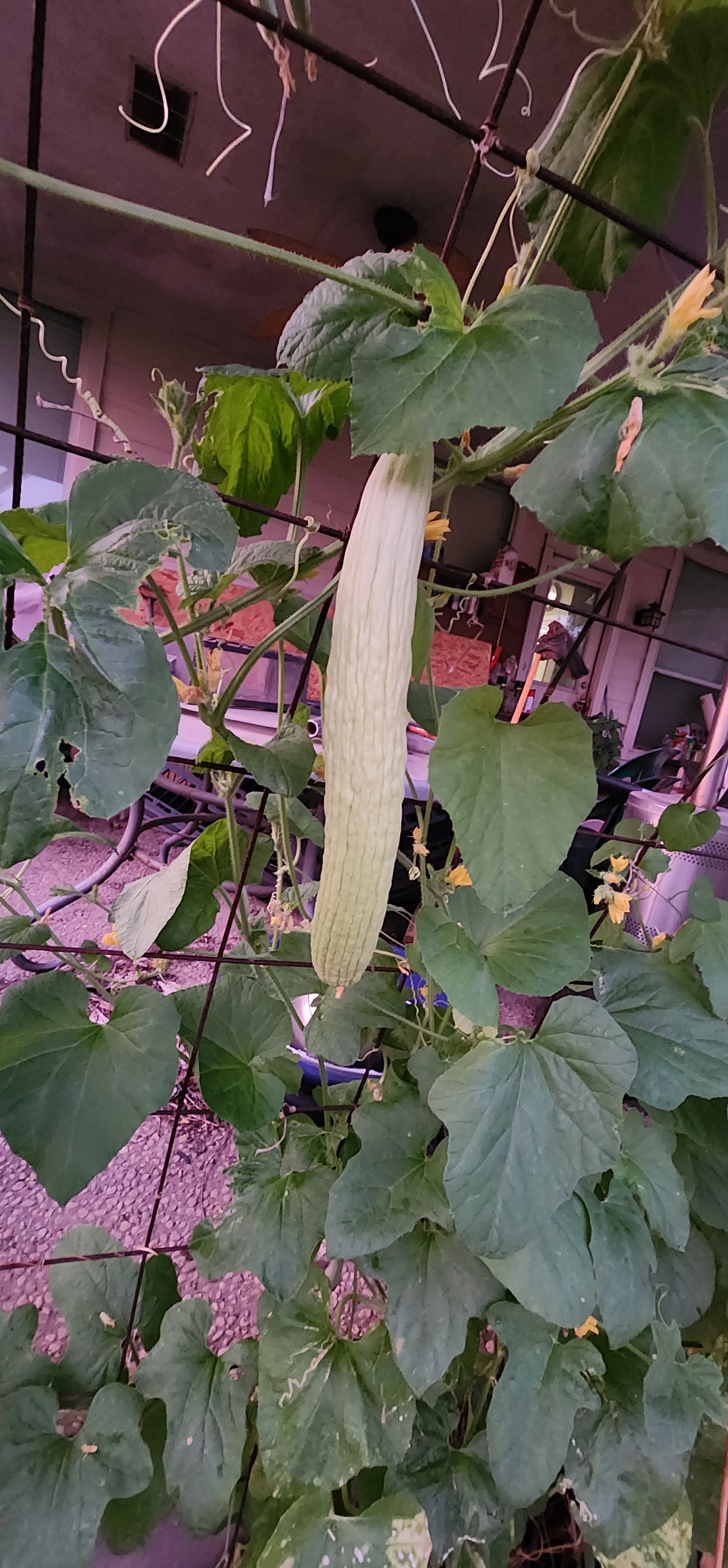

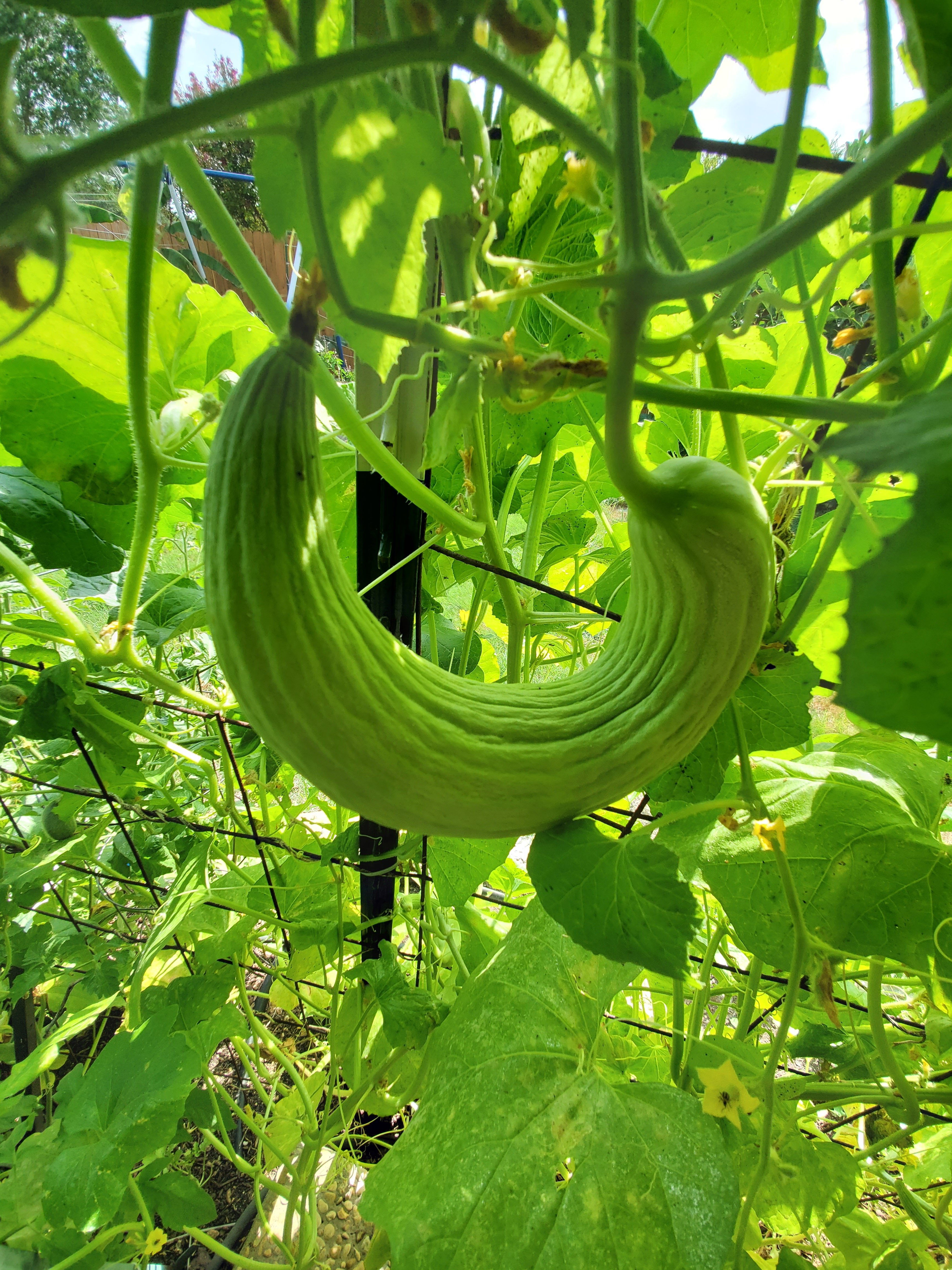
I have grown both the dark and light skinned armenian cucumbers and the light skinned ones were much more vigorous and produced more cucumbers than the dark ones did.
High Heat Greens
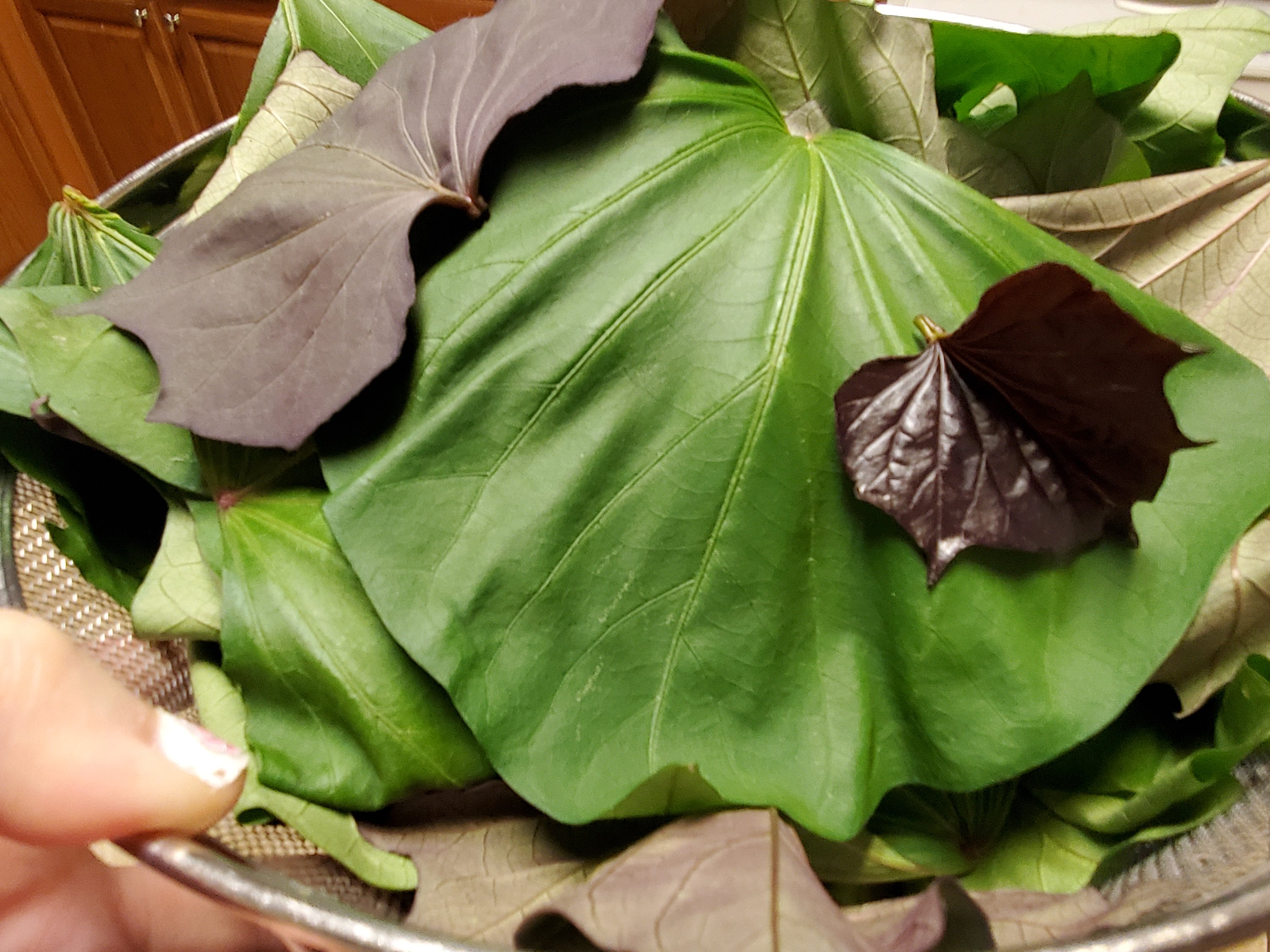
Malabar (a vining plant that needs support), Amaranth, New Zealand spinach (which is in the fig-marigold family and is salt tolerant) and chard are good choices for summer leafy vegetables. Another great green is sweet potato leaves. They are mild and cook up like chard or spinach.
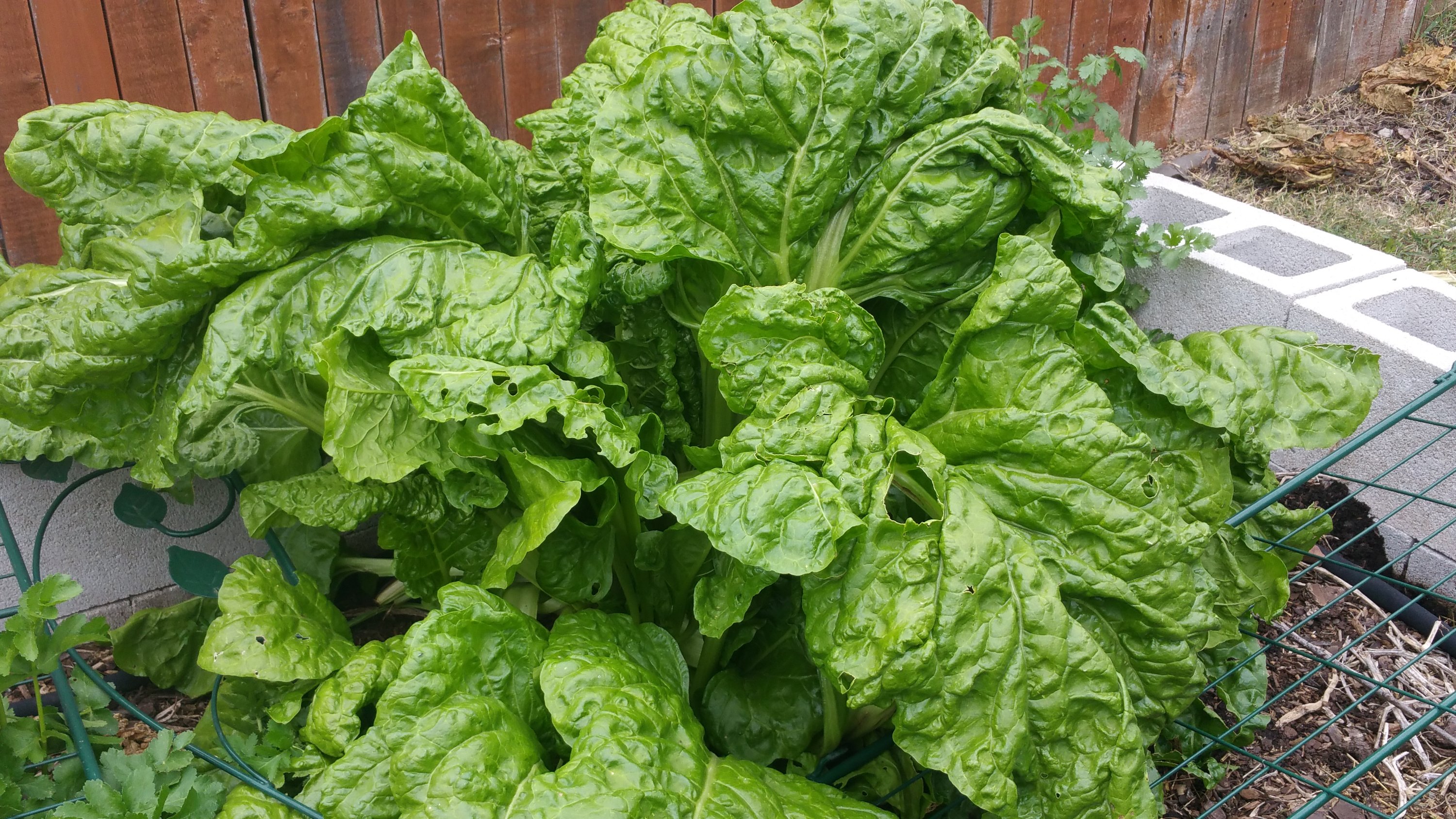
Chard is sweeter than spinach, after it’s cooked. I always have a patch of chard growing. It prefers some afternoon shade and moist soil. I usually plant it where a sprinkler head is. It gets enormous down here, and as a biennial, it won’t bolt in the heat the first year it’s planted. Watch for flea beetles and leaf miners.

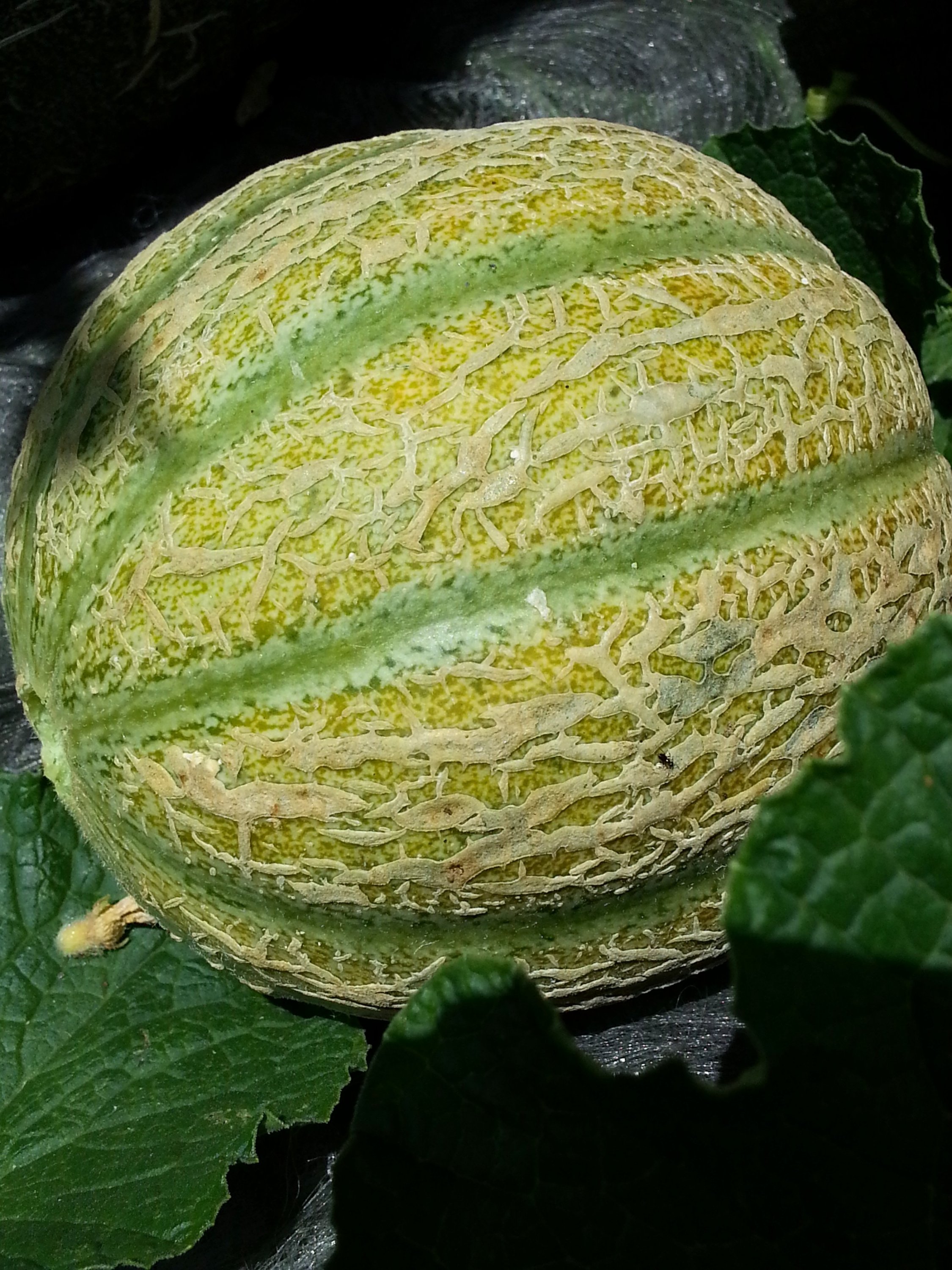
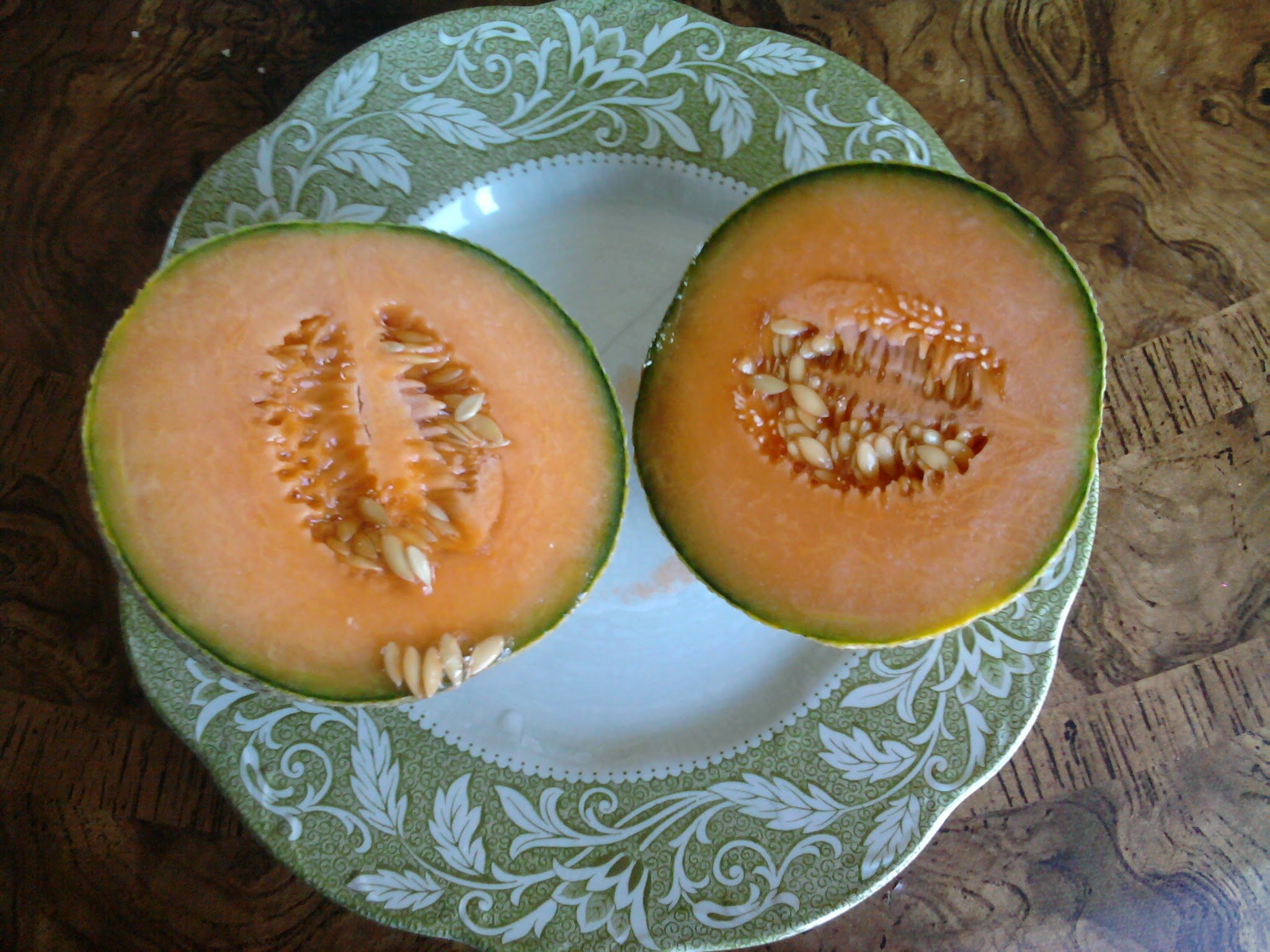
Melons I also grow Musk, Canary, Crenshaw melons and watermelons. I usually grow smaller varieties because they are easier to protect from critters and take less time to mature. I only let my vines produce two to four melons at a time (depending on the vigor of the vines) because: they are larger, sweeter and the flavor is more complex when the vines have fewer fruit.
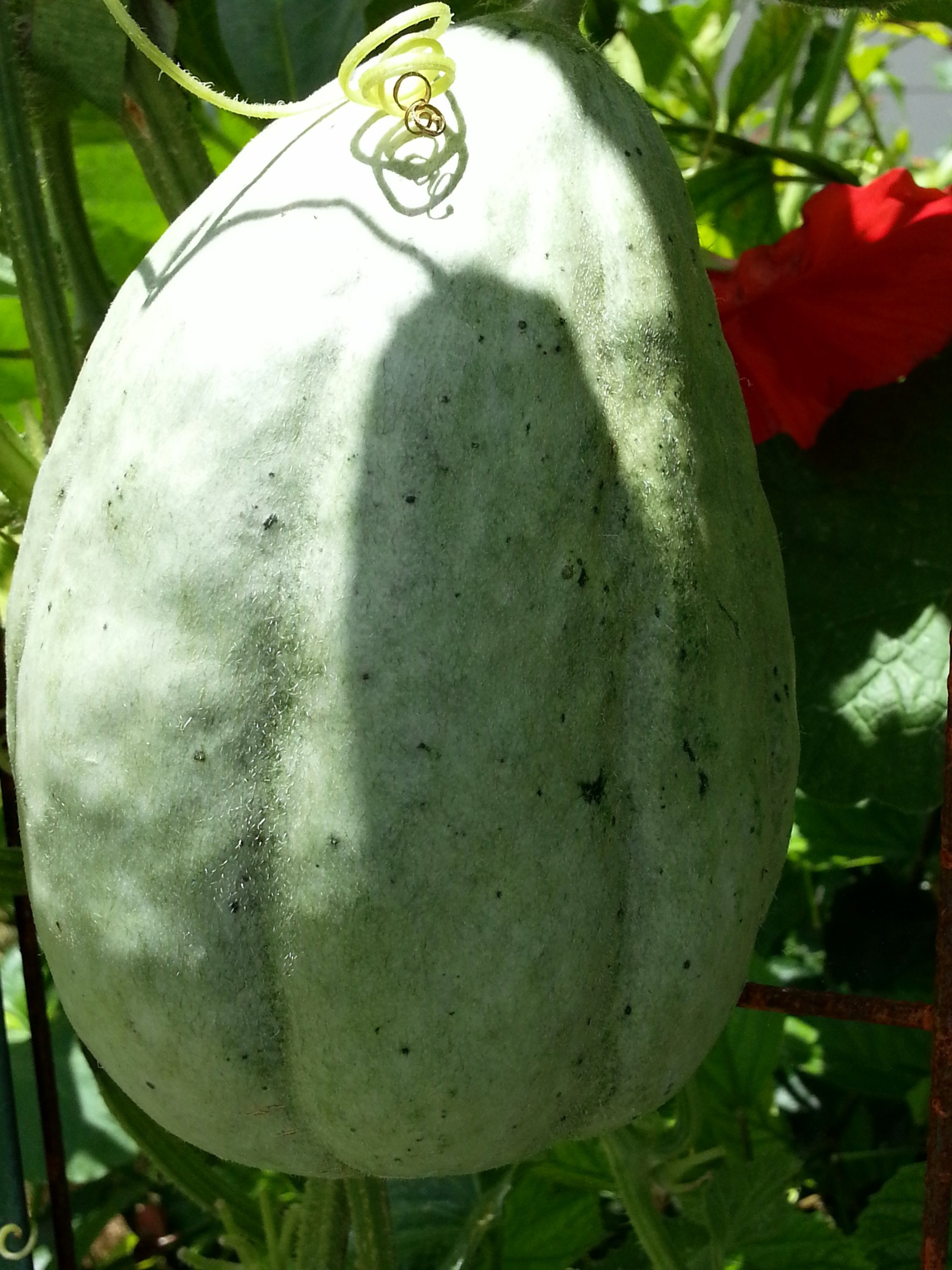

I trellis my melons on concrete remesh. Remesh is super cheap and very sturdy: Simple Inexpensive Vine Support. If you use a trellis and have melons that “slip” from the vine: make sure you support them. Unfortunately, French and horned melons don’t do well for me, although I love both. If a plant needs me to baby it, I don’t grow it.
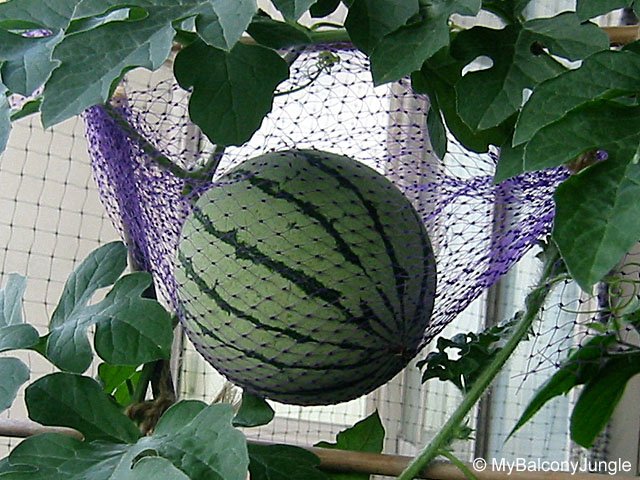
Trellising vines is also not a one time thing. I go out and move lower growing vines up onto the trellis regularly. If you don’t: you’ll end up with some vines growing out across the ground and that’s where pillbugs (aka roly pollies/sow bugs) and other insects can damage the underside of your fruit. (If you have fruit growing across the ground: putting a large pot over them, with a rock or brick on top of the pot, you can keep rodents and other pests from eating them before harvest. I haven’t had any problems with the vine being compressed, doing this.)
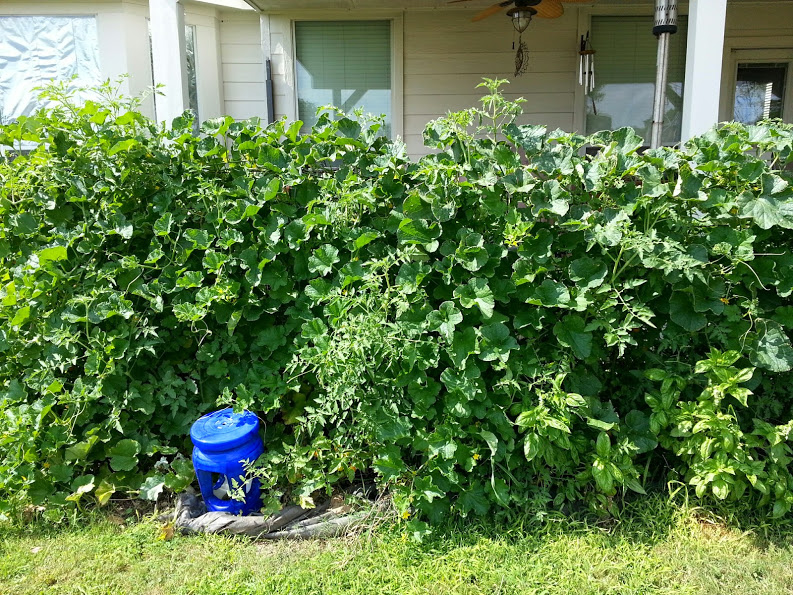
Healthy trellised melons, with tomatoes and basil in the front.
If I let the vines grow behind my bed and up against our privacy fence, the mice and rats eat the actual vines, they don’t even need fruit on them. I guess they want their mouse highway to remain open. They leave everything that’s growing on the trellises alone.
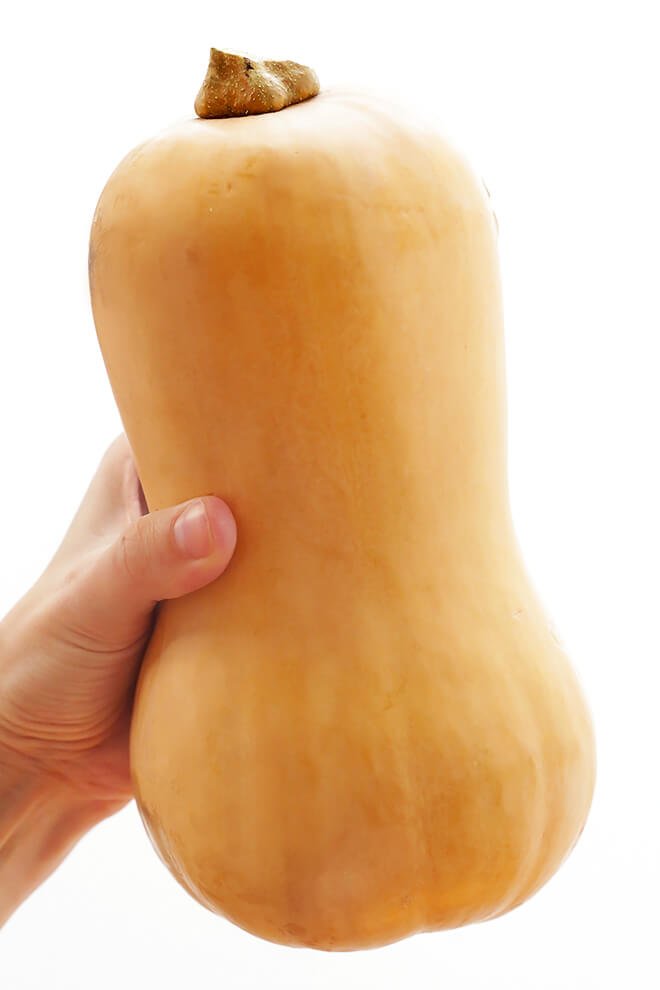
Squash I only grow one kind of winter squash. We have two seasons of squash vine borer here and I am tired of losing vines and fruit before they’re ripe. The only winter squash that I grow is butternut squash. It does not get borers as bad. I love squash (summer and winter), but I am not interested in trying to thwart the borer invasion. It is too hot, and I have too much to do, to bother with battling borers.
Squash that are resistant to vine borers are: white bush scallop, acorn squash, summer crookneck, Dickinson pumpkin, green-striped cushaw, butternut squash and zucchetta squash. (This list and other SVB information can be found on this site) If you have better luck with borers than I do: most squash does well in summer heat.
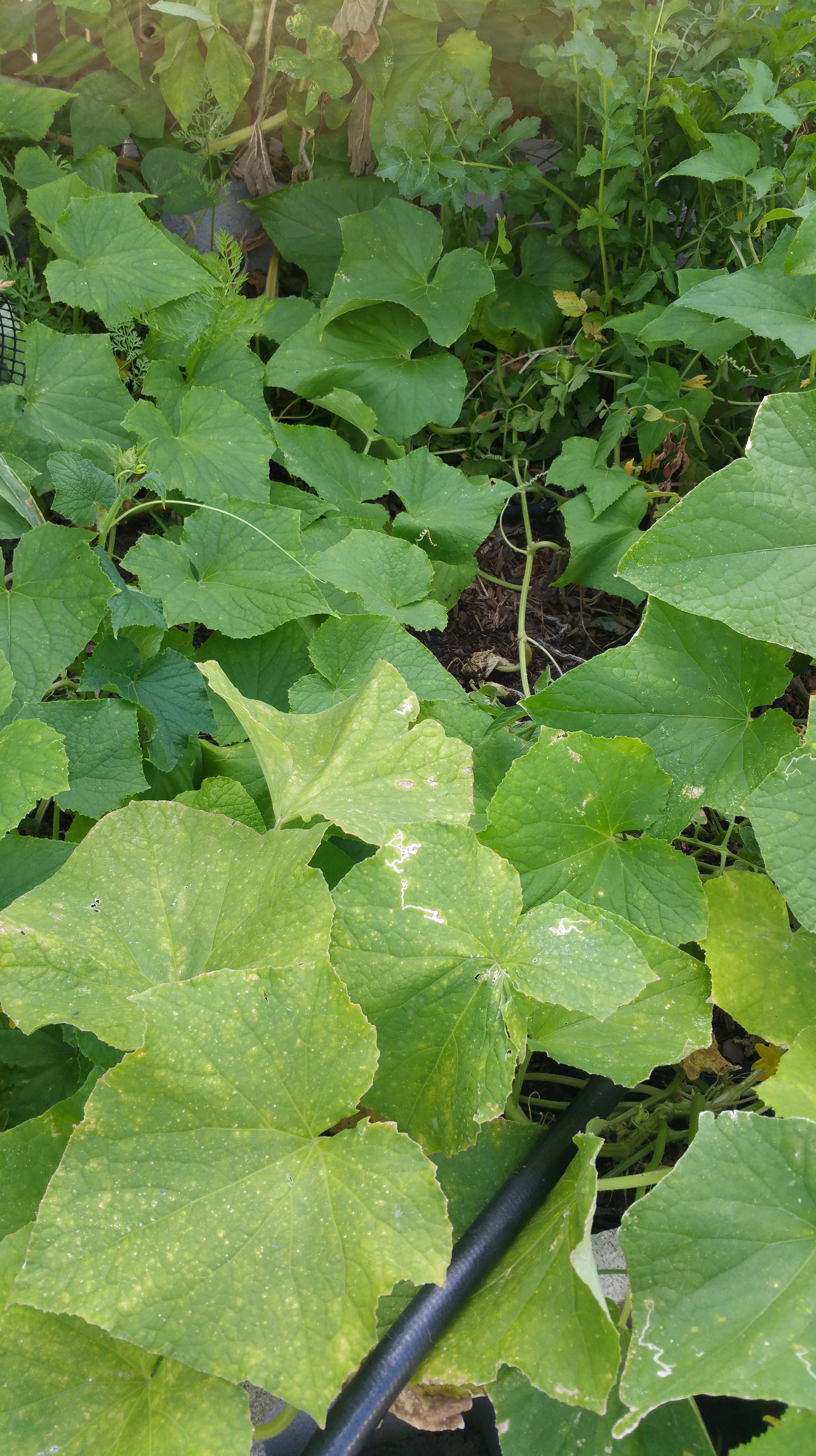
Watch for wilting leaves. Squash is a great “indicator” plant. If the leaves are wilting: it’s time to water. They also get powdery mildew and aphids first. If your squash is healthy, chances are: your entire garden is, too.
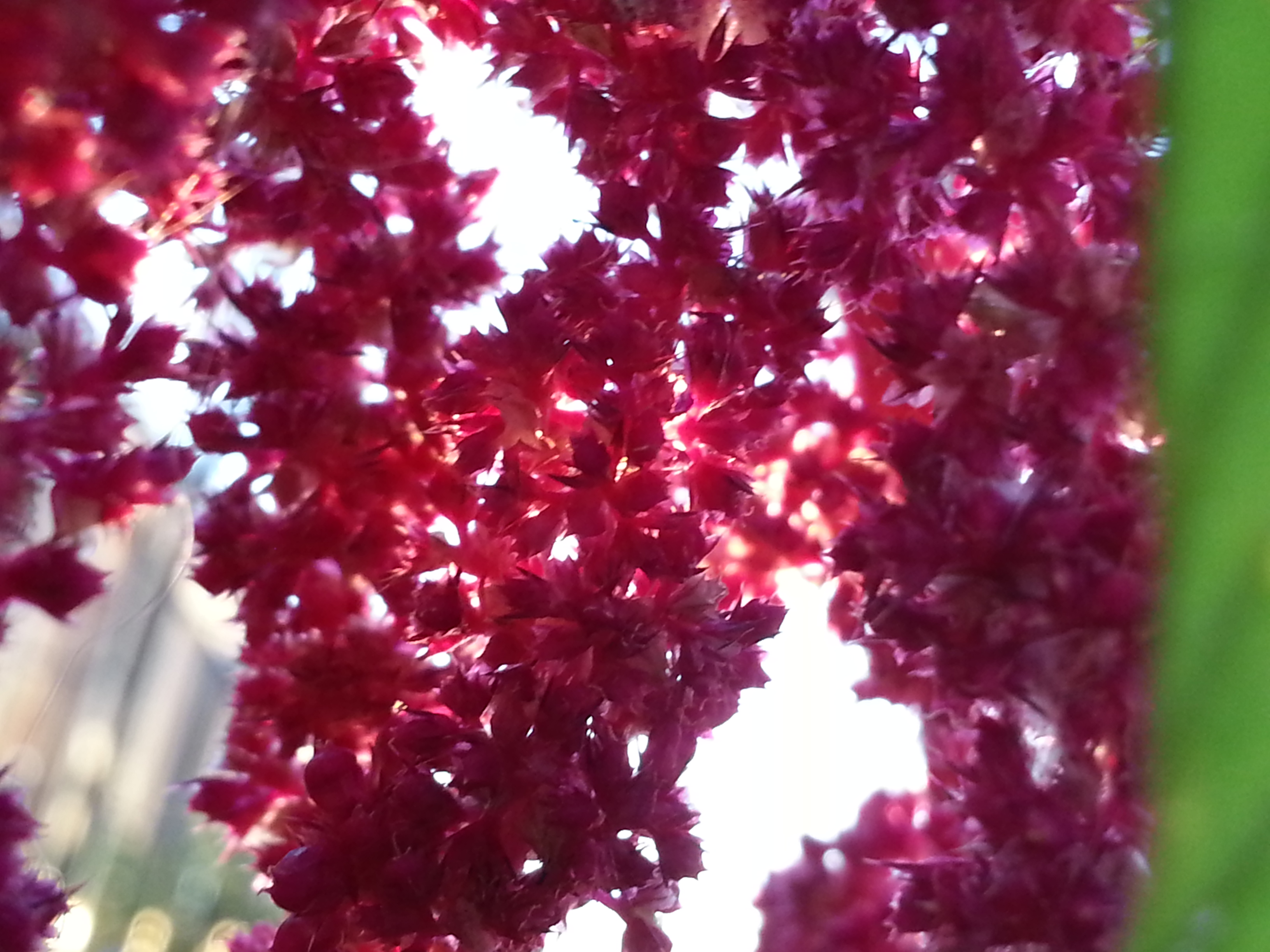

Amaranth I love the look of amaranth. I grow grain bearing and leaf Amaranth (for summer salads.) It is a good spinach or chard substitute. Threshing the super tiny seeds is time consuming and you need a larger size garden to grow enough grain amaranth for the seed. However, the leaves and stalks are edible too. I find that in my area, as the summer drags on: leaves on all my plants get bug eaten and wind and sun battered. If you aren’t growing amaranth for seed, pull your plants regularly and replace them with new seedlings. It allows the leaves to be at the peak of their desirability as an edible, and you don’t have to pick over the whole plant to find decent looking leaves. Use as you would chard or spinach.

Sweet Potatoes sweet potatoes are a perennial down here, but I’ll add these because they are so easy, for me, to grow. The main problem I have is the neighborhood squirrels. One year they found the tubers and ate all of them over the winter. The other problem I have is wire worms. These have a several year life cycle but are controllable with nematodes. Read my article on predatory nematodes, for more information: When Life Gives You Grubs, Serve Them Nematode Tea!
Sweet potatoes get huge down here. I usually just go out and bury whatever I have that’s sprouted in my pantry. I don’t usually buy them as slips, although it’s recommended that you do. I have a bush forming sweet potato that I prefer (for the amount of used space), but if your sweet potatoes are healthy, it will be a jungle no matter what variety you grow.
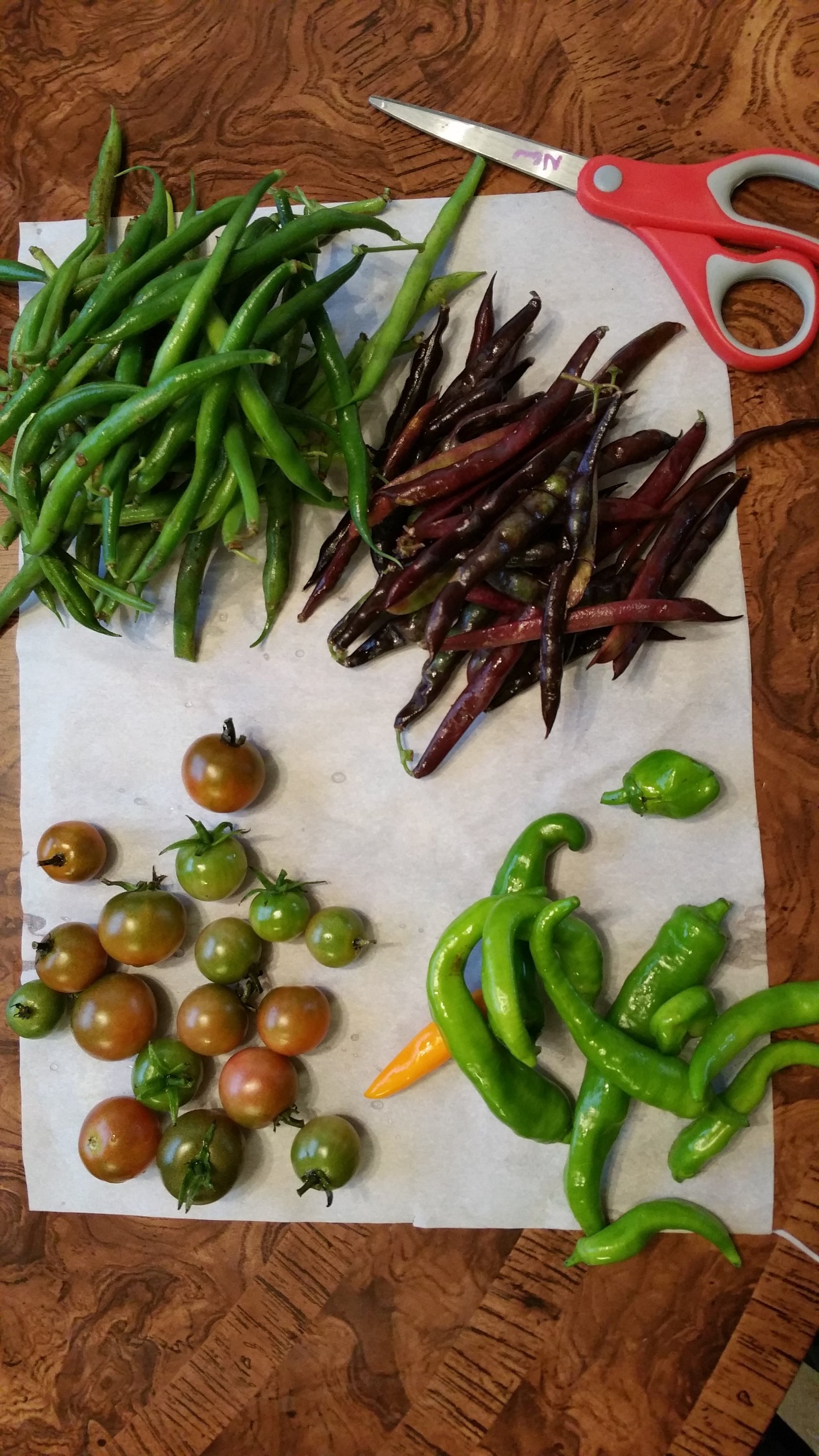
Summer Veggies!
Green Beans I grow pole beans every year. Beans are nitrogen fixers and they help fertilize my garden without adding separate granular fertilizer.
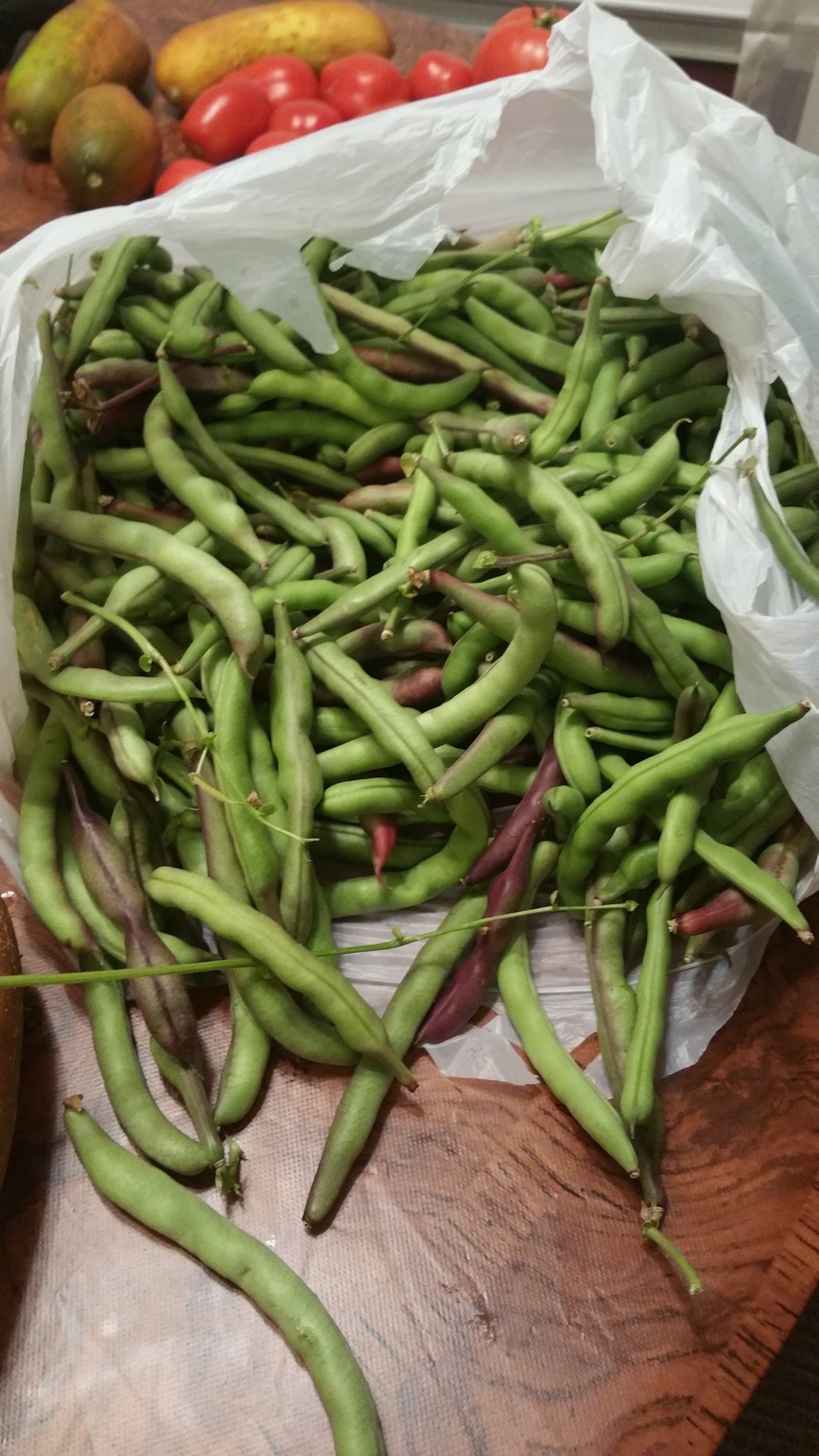
My green beans grow up a string trellis that I put out yearly. They really are a work horse in my garden. I end up pulling a lot of the vines when they try to grow over other plants, like my tomatoes.
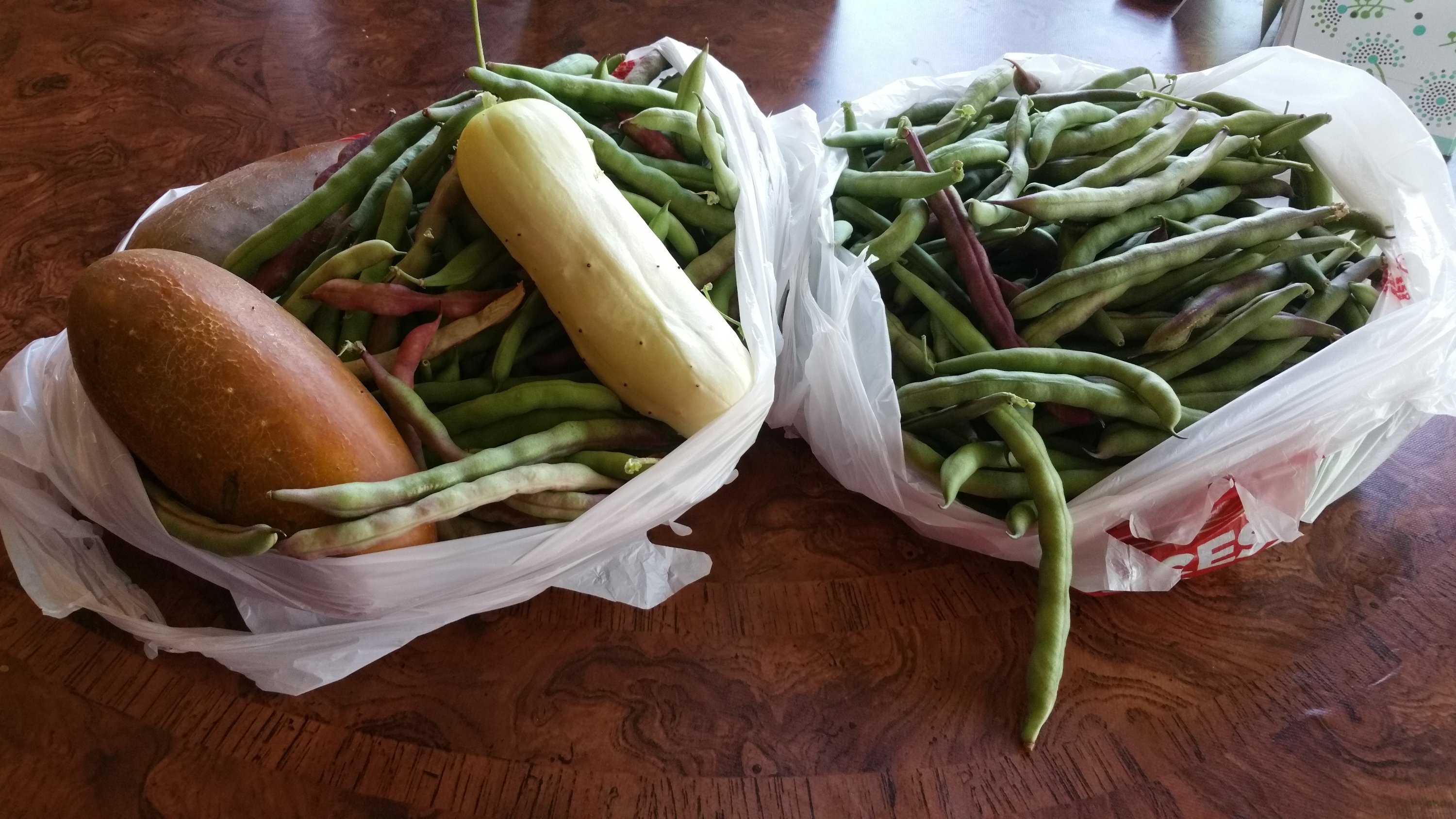
Bush beans are a waste of space for me, so I grow the vining pole type instead. I have four vegetable beds, and I grow everything up and onto supports. I even have an old swingset’s metal base, that I use as a support. I train the beans and other vines up onto it. It gives me much more room and I can follow a square foot planting program that way.
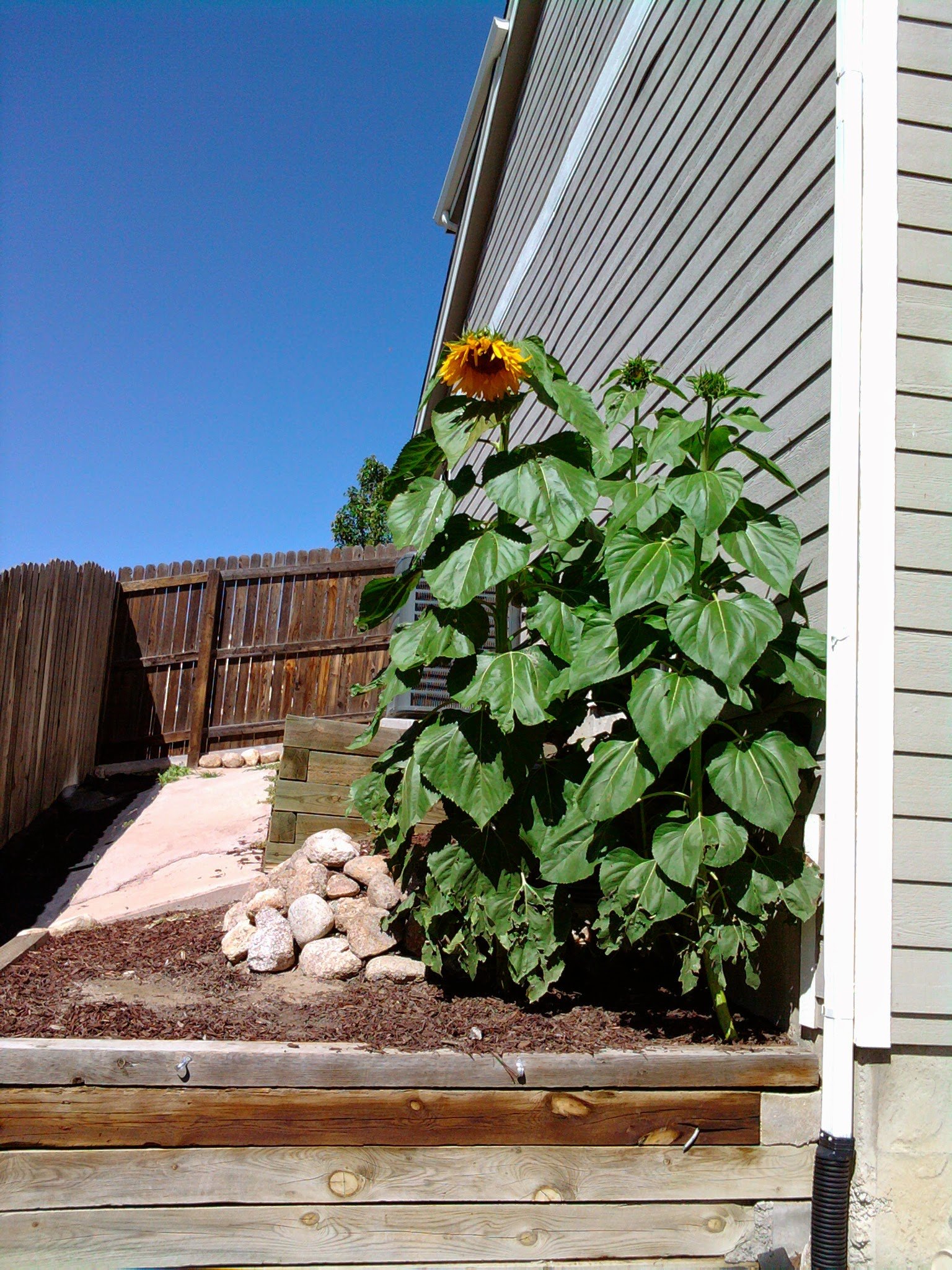
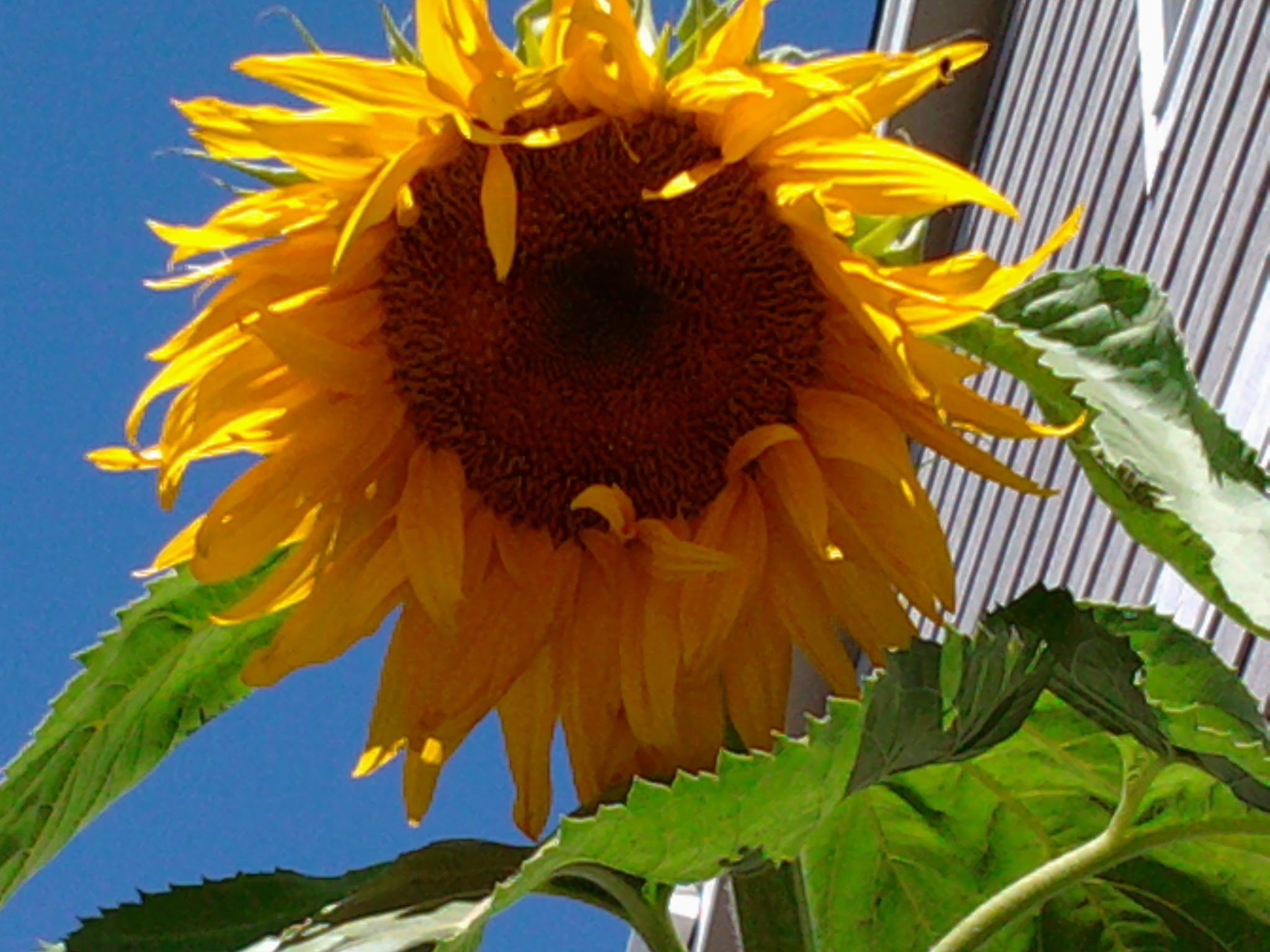
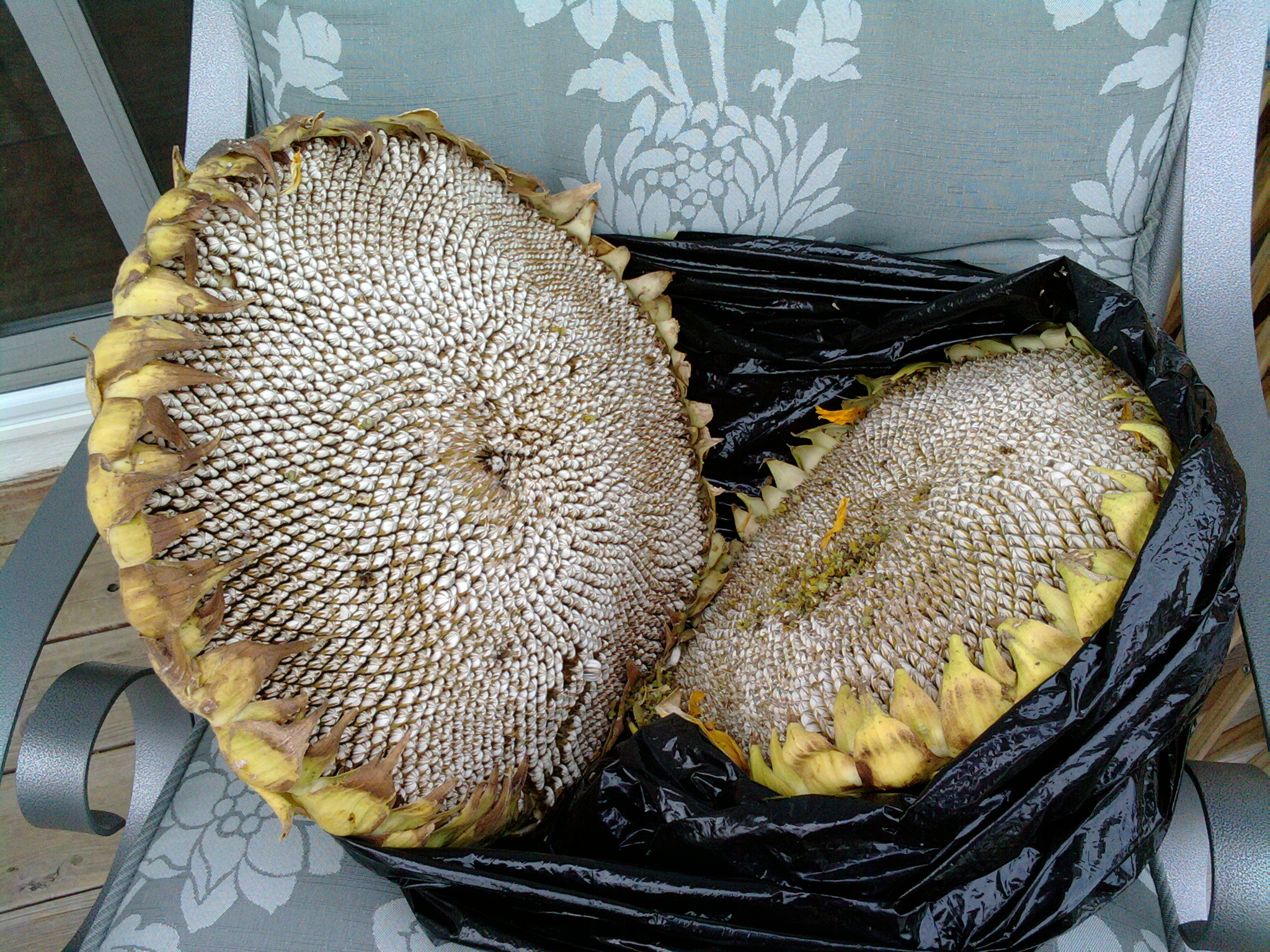
Sunflowers I love sunflower seeds. But some larger or specialty blooming sunflowers will end up with a ton of blanks (unfertilized, empty, seed shells). If you want to grow sunflowers for the seed: pick varieties that are proven heavy seed producers. Watch out for sunflower maggots (which bore into the stem).
If you have damage from snails, slugs or pillbugs on seedlings, they are all easy to control with repeated applications of organic, iron based, slug bait. If you are having trouble with birds eating your seedlings, place bird netting over the beds you have planted.
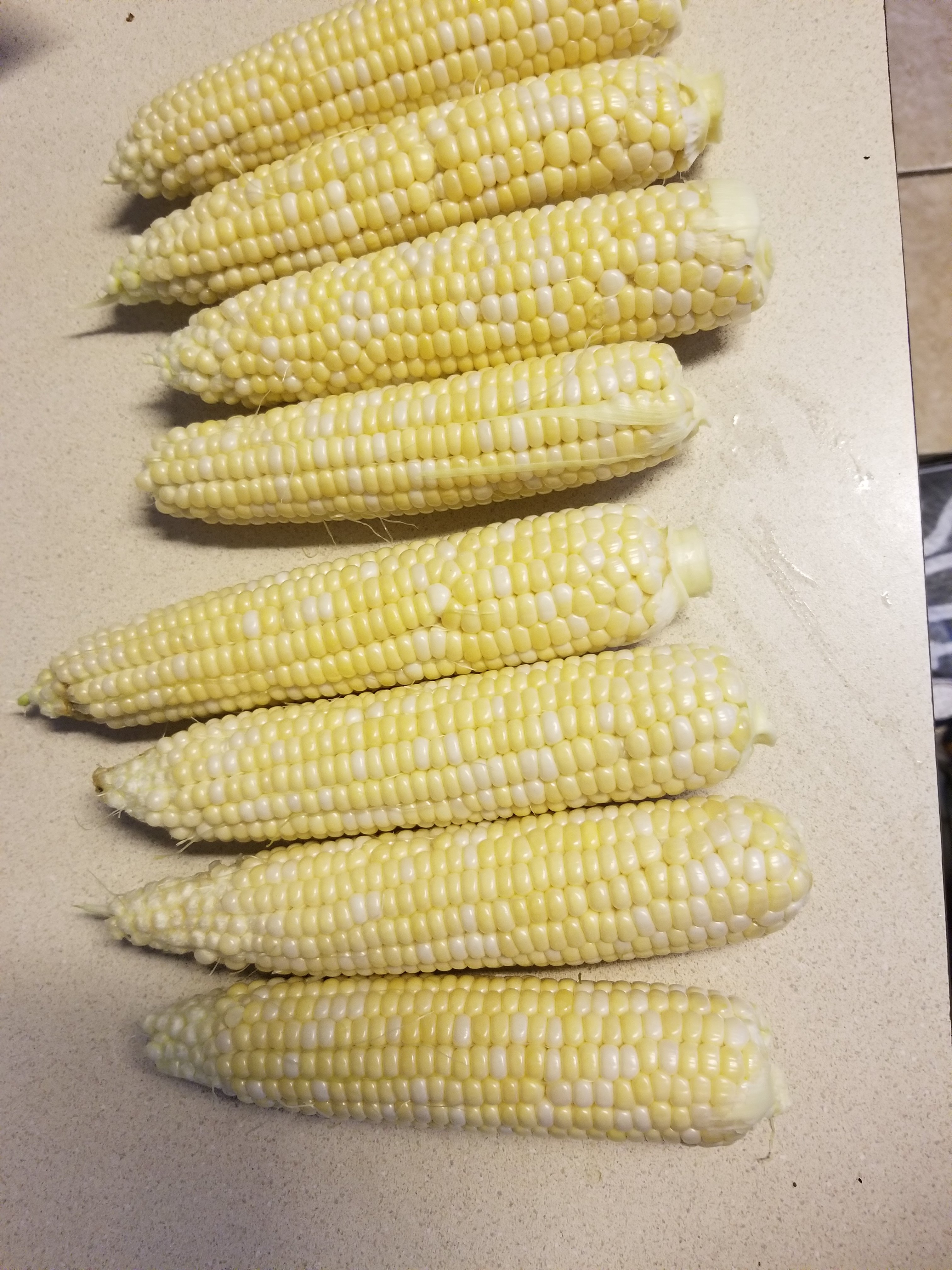
Corn our second season of corn is planted in late August. Yep: there’s two sweet corn seasons in San Antonio. The first one is planted in February. (We have around 271 days in our growing season.) Although, I don’t harvest summer planted corn until fall: corn is one of the few plants I can plant in our summer heat. I am having a rat and mouse issue this year. They left the plants alone until they were a week into silking and then they ate the silks. This meant about half of my corn cobs were not pollinized properly.
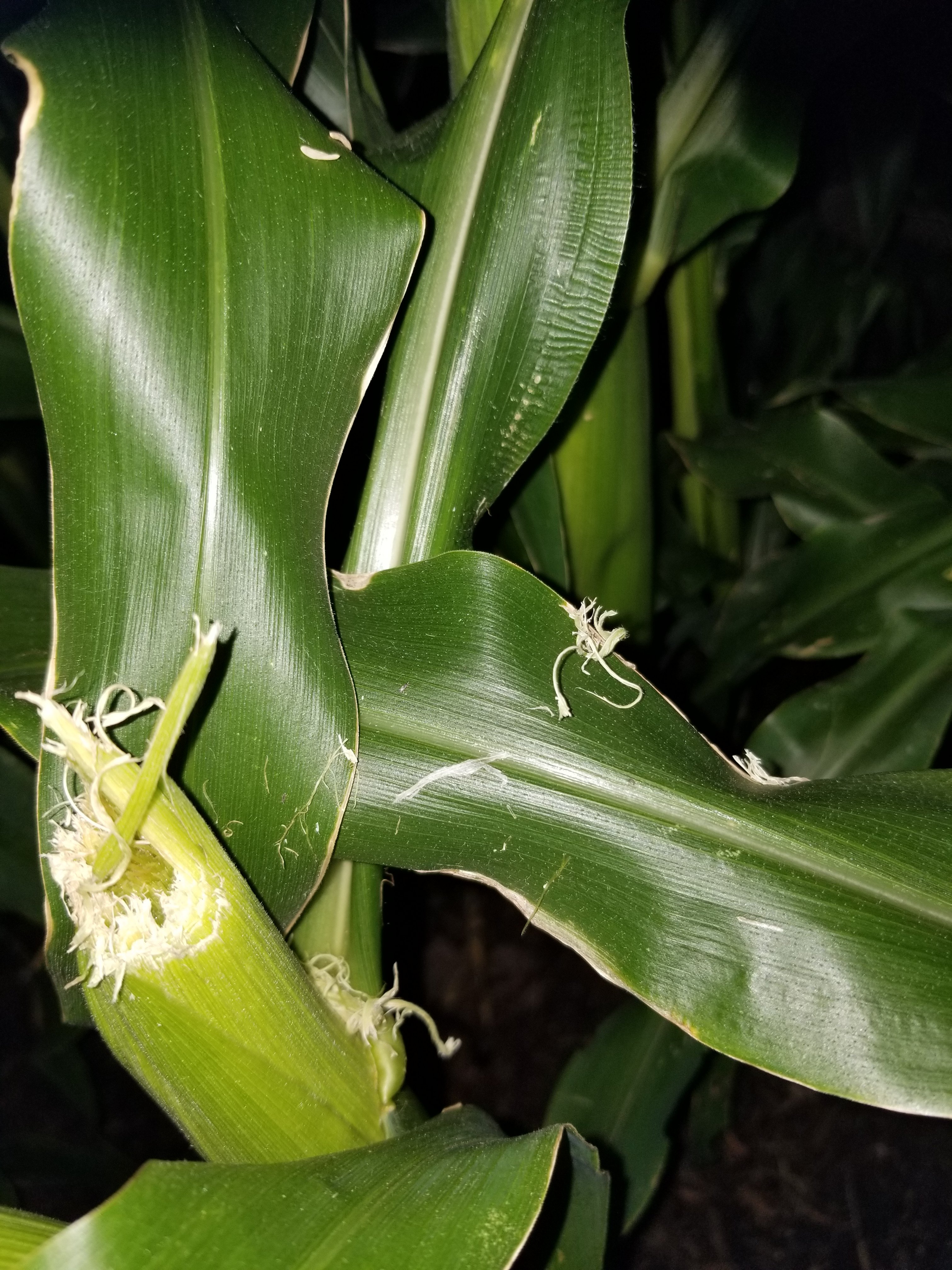
Thanks rats. I’m so grateful for the help in the garden! You can see where they ate the silk in the lower left hand side of the photo.
Then they ate the corn cobs after I had harvested about half of the corn, which was fine. Those were the ones that weren’t pollinated properly… because they ate the silks. Grr. OK. Not fine.
Losing fruit and vegetables to critters is just a part of gardening. Although, I’ve learned over the years to always fence corn. I use 36″-48″ tall 50-100ft rolls of hardware cloth and go around the bed they are in. I never have anything scale it and that’s amazing considering the amount of critters we have down here.
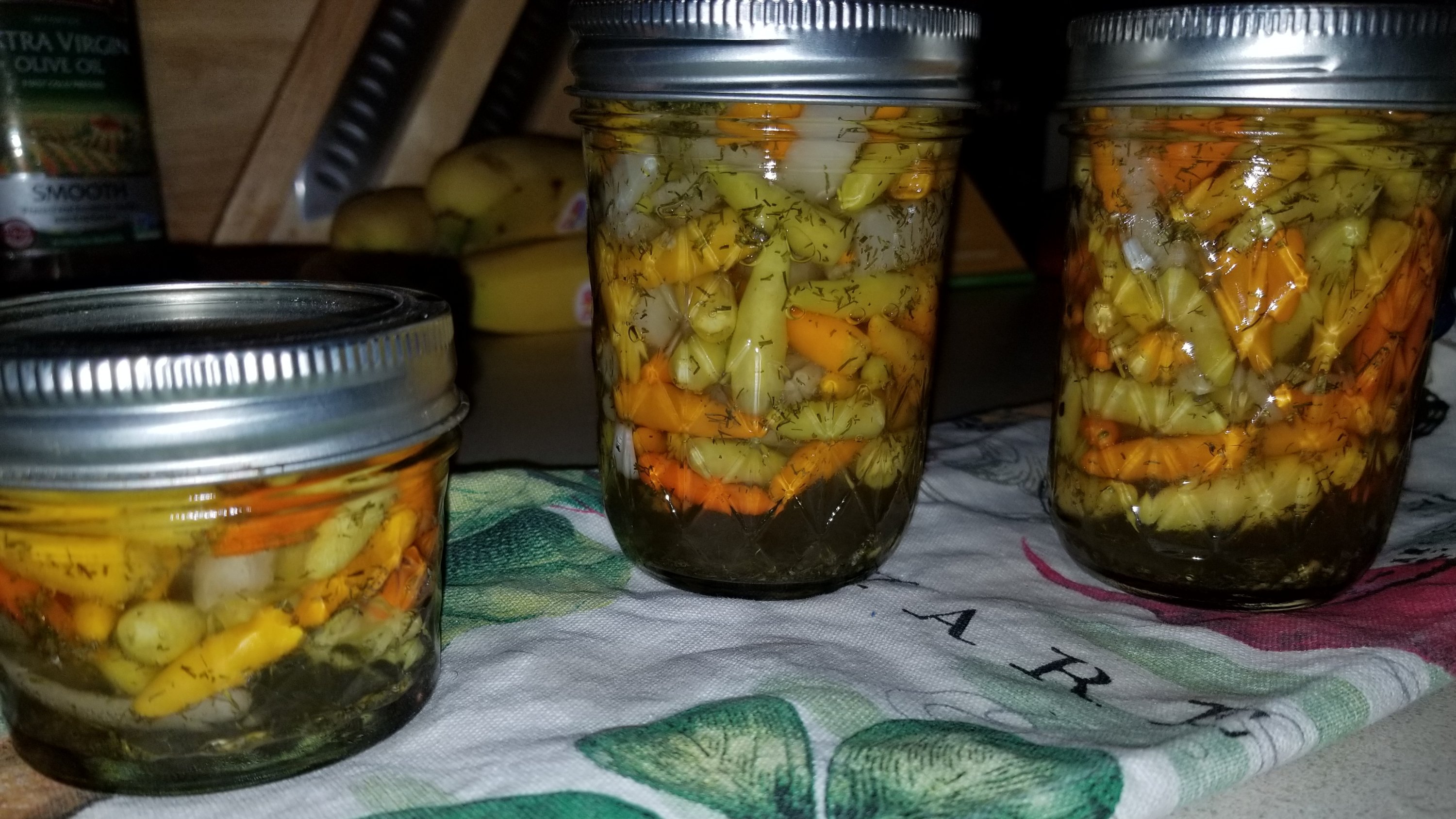
Eggplants and Peppers eggplants and peppers are the most heat loving members of the nightshade family.

Another member: the tomato, won’t fruit down here in summer because our temperatures (both night time and daytime) are too high. But, if your nights cool off to below 85 degrees, and your day time is under 95 degrees, you can expect tomatoes to do well for you throughout summer.

Fermenting homemade hot sauce
Down here: heat tolerant varieties of eggplants and peppers reliably fruit, even in the dog days of summer. But even peppers and eggplant can stop producing in high enough heat. Keep them well watered (from below) and throw shade cloth over the plants. This way you can add a bit more fruit to your summer harvest.
If you don’t know what to do with your eggplants: slicing, breading and frying creates a sublime vegetable side dish. If you end up with bitter eggplants, make sure you water well and shade the plants. If they’re still bitter: peel them and cut the ends off (this works for bitter cucumbers too) Try and use a high heat variety. Those are less likely to get bitter.

If you are growing peppers: hot peppers tend to be easier to grow in the heat than sweet peppers. But, unless you are giving away homemade hot sauce: you don’t need many plants (My husband eats Tabasco sauce on everything. Even with his high consumption of hot peppers, I don’t grow more than a couple of hot pepper plants a year.) Here’s a fantastic fermented hot sauce recipe: Hot Sauce
There are other annual vegetables that will take the heat, but they are either: unpalatable to my family (like cowpeas) or take too much space to efficiently grow them in the space I have (soy beans or butter/lima beans.) Our summer is our down time for vegetables. I can grow spring veggies and full season root crops through our winters, but not much will take our summer heat. If you want a carefree summer garden, the above list is the way to go.
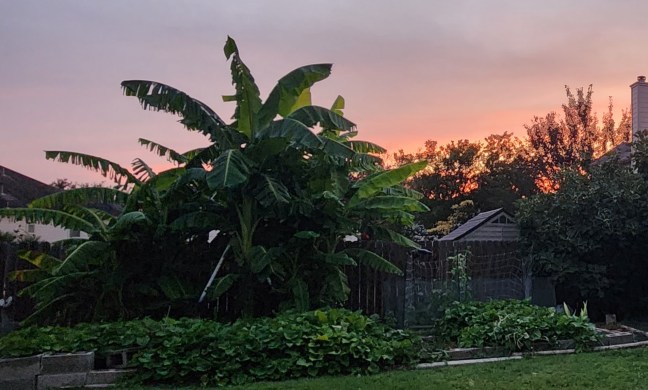
Then there’s some tropical plants that you can grow here… if you are insane. (Meekly raises own hand) Yep. I grow things I’m not supposed to be able to. I bring a lot of things inside the house for the winter and I cut my bananas down and cover them with straw and a clear sheet of plastic. They survive our winters and love my hugelkulter beds.
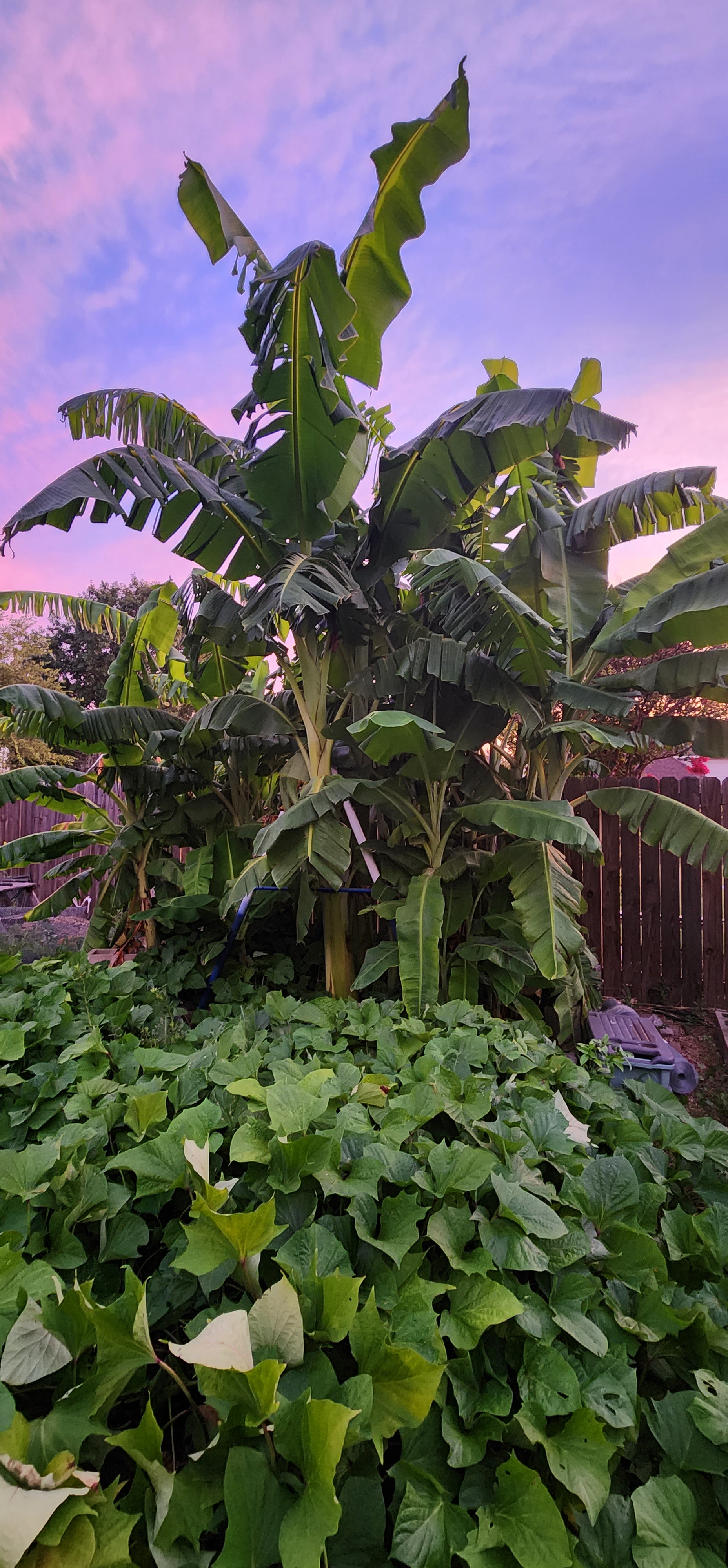

So, can you grow tropical fruit in San Antonio (8b/9a zone) without a greenhouse? Yes. IF you have a family that doesn’t mind walking around your pots when you bring them in for the winter. I am considering starting another bed like the banana beds. Covering them with straw and plastic sheeting and seeing what I can get away with growing. Dropping below 60 degrees happens for us in November and lasts until May. You can bring tropical fruit inside… but, you kind of need to be a little crazy. Like: “Crazy: Plant Lady” crazy, which I happen to be.
I brought a lot of plants in last year (as I do every year) and we had to deal with things that came in on the plants. I didn’t have any snakes, scorpions or tarantulas, but I’m definitely checking all of my pots better before I drag them inside again!
Do you have any other high heat, easy to grow, summer vegetables? Let me know your favorites in the comment section!
Make sure you go out and get dirty in your garden!
The store is now open! Come take a look! https://crazy-green-thumbs.printify.me/products
Make a one-time donation
Make a monthly donation
Make a yearly donation
Choose an amount
Or enter a custom amount
Want to help out, but you’re waiting for the perfect moment to shop the store? Buy me a coffee or let me know you love the content! Your donations keep Crazy Green Thumbs running and are much appreciated!
Your contribution is appreciated.
Your contribution is appreciated.
DonateDonate monthlyDonate yearlyAs an Amazon Associate I earn money from qualifying purchases.
Discover more from Crazy Green Thumbs
Subscribe to get the latest posts sent to your email.
 Crazy Green Thumbs
Your eggplant parmesan look delicious.
Thank you! I love to use eggplant this way. I really like it grilled too. Thanks for coming by and commenting! I appreciate the visit.
We ‘can’ grow most types of vegetables, but those that require major warmth are not so great here. The weather is generally pleasantly warm, but rarely very hot, and it does not stay hot at night, or for more than a few days. For example, cantaloupes are good, but not great, and they stay rather small. Watermelons are similarly small and mildly flavored. I am also determined to grow bananas, and will not mind that they do not develop completely, although ‘Kokopo Patupi’ might.
I need to dig out some of the Gros Michel bananas. I love the way they look, but I was so busy putting too many trees in this spring I didn’t have time for the banana beds. I have a Kokopo banana that I planted this spring. I have high hopes for it. I really focused on fertilizing and watering the Veinte Cohol. It is now the largest banana in the bed. It’s still a 9 month banana and I may have to strengthen the rootball over a couple of years to get it to cooperate and fruit. If not I will be digging out some of the varieties I have and focus on the Kokopo. I know you guys are a lot cooler than we are. We were above 100° for over a month. I have a very unusual set of growing conditions. Canteloupe tends to get super “floral” tasting in our heat so I have to find varieties that won’t taste like perfume. August is when I plant my second set of sweet corn for the year. So, there’s some great things about growing in Texas, but summer heat is not one of them! Thanks for coming by Tony, I always enjoy your comments.
Seven different bananas live here now, but are still canned. Three are unidentified, and one of those three supposedly stays quite small. Conversely, one of the others is ‘Mekong Giant’, which can get forty feet tall! What is worse, another is Musa ingens, which is the biggest banana tree in the World. I have no idea what to do with those two!
Beautiful vegetables in a terrific garden. You are a terrific blogger. Informative, comprehensive and lovely to see your garden grow.
Thank you so much! I love my garden. It’s a meditative, happy space. Thank you for stopping by!
Hello! I’m in South Louisiana and very much appreciate hearing about intense heat and humidity! I really really want to grow banana for privacy and food, haha!
From what I’ve heard Kokopo is the one to try. I’ve got one but it’s new this year. I expect the root ball to be able to support fruit in the next couple of years if I keep it watered and fertilized. Try raised beds and good luck!
So many pretty pictures 😊 love all the greens, and especially the peppers!
I’m glad you enjoyed the post. Thanks for coming by and commenting. I appreciate the visit.
Stop lifting my work and placing it into your blog with a link to me in your footnotes. You are stealing information and I am not OK with it. This is the second time I’ve seen you do this. There’s no way to comment on your blog but what you are doing is illegal and you are stealing others content and representing it as your own. I have a legal disclaimer on my blog. My work is copywrited. Nobody reads lists of links. You are not adequately covering where (or how much) you have taken information from other people. This is not polite blogging behavior. You need to figure out what is before you start taking information from others without their permission. I don’t create content for other people to copy and paste it into their blogs. REMOVE MY BLOG FROM YOUR SOURCE MATERIAL.